
US-Iran Doha Talks End Without Certainty of Lasting Peace
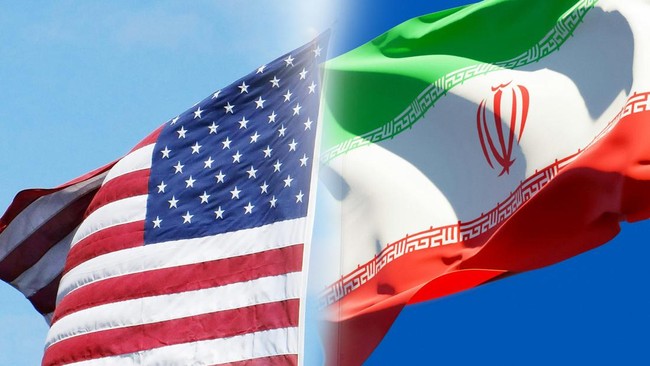
The governments of Iran and the United States have officially concluded their latest round of indirect negotiations in Doha, Qatar, on Wednesday local time. The closed-door meeting ended without any clear signs of progress towards a lasting peace.
According to foreign reports on Thursday (2/7/2026), negotiators from both sides spent two days focusing on a draft agreement concerning maritime traffic in the Strait of Hormuz and a plan to release frozen Iranian funds.
A follow-up meeting has been confirmed but will only take place after the funeral procession for Iran’s late Supreme Leader Ayatollah Ali Khamenei is completed. Qatar’s Ministry of Foreign Affairs stated that the cleric’s burial is scheduled for 9 July.
“The Doha discussions yielded positive progress on issues related to the memorandum that halted the war in June and built upon the results of the summit in Switzerland,” a Qatari foreign ministry spokesperson wrote on platform X.
This was echoed by the Iranian delegation led by Deputy Foreign Minister Kazem Gharibabadi, who stated that the talks had finished but declined to say whether they had managed to bridge the significant differences that remain.
Reports indicated that the technical session was not attended by Donald Trump’s son-in-law, Jared Kushner, nor by the chief US envoy Steve Witkoff, despite prior White House promises of their presence for high-level discussions.
In Washington, President Donald Trump claimed progress had been made regarding restrictions on Iran’s nuclear programme, the very issue that prompted him to launch military strikes on Tehran in February. “Denuclearisation of Iran is going well. They’ve had a very good meeting, and we’ll see,” Trump told reporters.
However, several internal sources revealed that the nuclear programme was not discussed at all during the technical meeting. Vice President JD Vance confirmed that the nuclear issue would be addressed in a subsequent session. “Obviously, we’re concerned about the nuclear issue, we’ll start talking about it,” Vance told journalists.
Who Controls the Strait of Hormuz?
The initial agreement obliges the US and Iran to allow the resumption of commercial shipping through the Strait of Hormuz, the strategic waterway that handles a fifth of the world’s oil and liquefied natural gas before the conflict erupted. While ship traffic has partially recovered, the legal status of sovereignty over the waters remains unclear. The two nations even exchanged fire last weekend after Iran launched a missile at a foreign cargo vessel.
Two senior Iranian sources stated that Tehran is determined to win international recognition of its full control over the strait. Iran plans to impose shipping tolls starting in mid-August after a toll-free period expires. “I think they’ve come a long way,” Trump said in response to developments in the Middle East.
His comments on Wednesday were seen as a deliberate attempt to dampen the prospect of a return to total war with Iran, causing world oil prices to plunge to a four-month low.
Iranian state media reported that a foreign container ship ran aground in shallow waters on Wednesday after straying from the official shipping lane designated by Iranian authorities. “The Strait of Hormuz continues to reopen, but the process is uneven, unpredictable, and not fully transparent,” explained Vandana Hari, founder of oil market analysis firm Vanda Insights.
Several European nations have reportedly offered operational assistance to clear naval mines from the strait, though the German government has publicly declined to participate in any such mission. Defence Minister Boris Pistorius attributed this reluctance to Iran’s political stance, stating that Tehran has shown no willingness to cooperate openly with Western countries.