
US-Iran Deal: New Surprise Emerges from the Strait of Hormuz
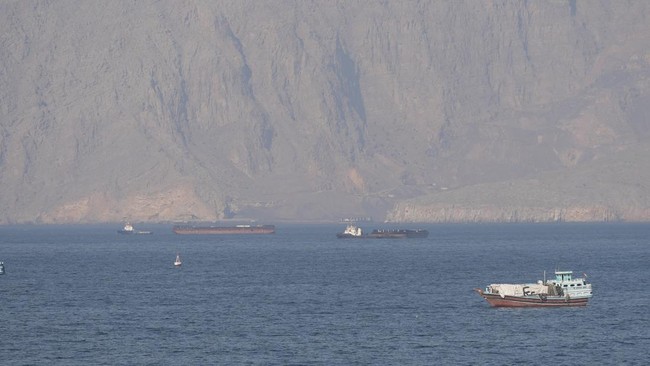
At least three Iranian-owned tankers have reportedly managed to exit the US Navy blockade perimeter in the Strait of Hormuz, transporting nearly five million barrels of crude oil. This marks the first such outflow in the last two months, occurring as shipowners begin to cautiously reposition their fleets ahead of the signing of the US-Iran peace deal in Geneva this Friday.
Two massive tankers, named Diona and Hero 2—both belonging to the Iranian National Tanker Company, which is under US sanctions—successfully navigated the blockade route, carrying a combined total of 3.8 million barrels of Iranian crude oil, according to shipping data from Kpler. Meanwhile, a third tanker affiliated with Iran was reported to have also slipped through the blockade lines on Wednesday, carrying a cargo of 1 million barrels of crude oil.
“Their actual departure from the blockade zone indicates that other tankers trading with Iran are also preparing to resume their trading activities,” said Michelle Wiese Bockmann, senior maritime intelligence analyst at Windward, regarding the unusual movement.
This signal of recovery emerged after the US and Iran signed a memorandum of understanding on Monday to end the conflict that has been raging for almost four months. This legal step will be formalised through a signing ceremony in Geneva on Friday, which is expected to reopen the Strait of Hormuz and lift the embargo on Tehran’s crude oil sales.
The Washington government is reported to be prepared to allow Tehran to immediately sell oil and fuel once the documents are signed this week. In return, Iran is required to uphold a full commitment to limiting and halting its nuclear technology development programme.
The Strait of Hormuz itself is the world’s most vital logistics route, flowing one-fifth of the total global oil supply before it was completely paralysed by war. During the conflict, the US Navy continued to blockade Iranian ports, while Tehran’s military retaliated by targeting Western-allied merchant ships, causing hundreds of vessels to be stranded and disrupting global energy markets.
Although the winds of peace are beginning to blow, the international maritime sector is responding to this news with scepticism and extreme caution rather than excessive celebration. While the prospect of reopening the strait is encouraging some shipowners, frustrated by surging war insurance costs, to begin directing their fleets to Gulf ports, most other shipping entrepreneurs are choosing to remain restrained.
“Insurance companies remain firm on high war risk premiums, demanding ‘strong evidence’ that the waters will remain safe. Although the cessation of hostilities will release stranded seafarers and boost the tanker market, the sector views this as a fragile suspension of punishment rather than a return to normalcy,” stated an analyst from Lloyd’s List Intelligence in an official note to clients.
Nevertheless, some owners of Very Large Crude Carriers (VLCC) are still attempting to secure first-mover advantages. Windward intelligence detected the movement of dozens of VLCCs sailing from the South China Sea across the Indian Ocean towards United Arab Emirates ports, where at least 30 tankers were reported to be anchored as of Wednesday.
At present, commercial traffic through the Strait of Hormuz remains minimal, as the legal status of the military blockade by both parties will only be lifted after the official documents are signed on Friday. The US Navy has even warned the maritime industry that no rules on the ground will change until the peace draft is legally ratified.
The scale of tanker accumulation in the conflict zone is currently massive and will require a long period to process. Kpler estimates that approximately 118 fully laden tankers will only be able to exit the Gulf region within 15 days after the agreement is signed, although this surge is viewed as a one-off phenomenon rather than an instant recovery of maritime traffic.
“Most shipowners appear to be cautiously waiting for further details before planning new transits through the Strait of Hormuz. They will seek certainty that transit is not only permitted but also safe before sending their vessels through the strait,” concluded Niels Rasmussen, head shipping analyst at BIMCO, regarding the dilemma faced by global shipping entrepreneurs.
Source: jawawa.id (https://jawawa.id/newsitem/us-iran-deal-new-surprise-emerges-from-the-strait-of-hormuz-1781689962)
Originally published by CNBC Indonesia (https://www.cnbcindonesia.com/news/20260617144533-4-743401/as-iran-deal-kejutan-baru-muncul-dari-selat-hormuz), translated from Indonesian