
US-Iran Deal: A Victory for Hezbollah?
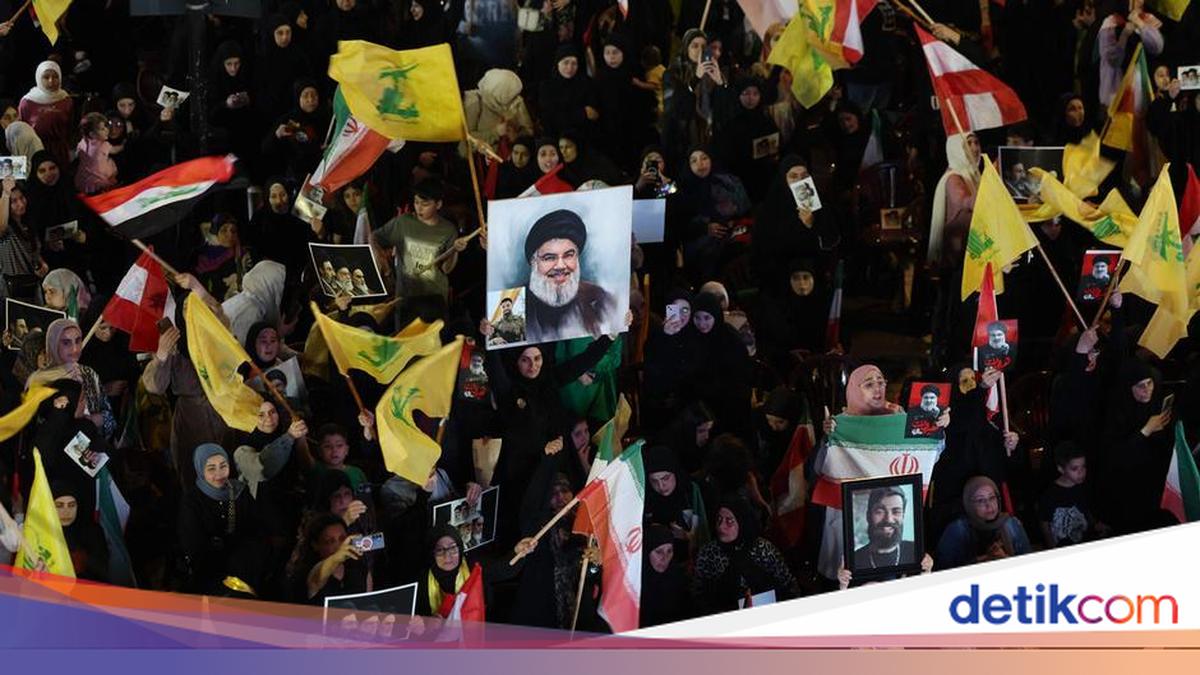
A great victory and an important turning point for Lebanon. That is how Hezbollah leader Naim Kassem described the memorandum of understanding that halted hostilities between Iran and the United States this week. Kassem also thanked Iran for linking the Lebanese arena to the deal and forcing Israel to stop its aggression. Hezbollah was founded in 1982 with Iranian support, aiming to end Israel’s occupation of southern Lebanon. The organisation has military and political wings and draws support from a large portion of Lebanon’s Shia Muslim community. Hezbollah is now a major force in Lebanese social and political life, often described as a state within a state because it maintains its own armed forces.
Analysts generally assess that the US-Iran agreement favours Tehran’s allies, including Hezbollah. James M. Dorsey, a Middle East expert at the Rajaratnam School of International Studies in Singapore, said the memorandum essentially gives Iran almost everything it wanted while preserving what US President Donald Trump had before the joint Israeli strikes on Iran in February. At least in the initial stage, this appears to be a victory for Hezbollah, he said. The first paragraph of the agreement states that the United States, Iran, and their allies will halt all military operations immediately and permanently in all conflict areas, including Lebanon. The document, signed by the US, Iran, and Pakistan as mediator, also affirms a commitment to maintaining Lebanon’s territorial integrity and sovereignty.
Israel currently controls around 600 square kilometres of southern Lebanon, describing its troop presence as a security buffer zone to protect residents of northern Israel from Hezbollah rocket attacks. Critics view it as a cover for invasion and territorial occupation. According to Dorsey, Iran interprets the agreement with two clear consequences: Israel must halt military operations and withdraw its forces from Lebanon. The real test, he said, is whether Israel will be forced to comply and whether Trump will tell Israel it has no other choice. If Israel truly withdraws, Hezbollah will gain a significant political advantage. Most of Lebanon’s Shia community lives in the south, and over a million people have been displaced by Israeli military operations that also destroyed numerous villages.
The US-Iran memorandum also includes billions of dollars in reconstruction funds for Iran, the unfreezing of previously blocked Iranian assets, and permission for Tehran to resume oil sales. Regional diplomats told Reuters that once Iranian funds are released, Tehran plans to send more financial aid to Hezbollah. Karim Chebaklo, a Lebanese political observer and member of the Beirut port authority board, assessed that the return of Iranian oil revenue will reduce the economic pressure that has complicated Hezbollah’s funding. The Lebanese government has been trying to limit Hezbollah’s influence and disarm the group to stop Israeli attacks. Hezbollah’s military wing is widely blamed for triggering the latest conflict after firing rockets into Israel in early March, following Israel’s killing of Iranian leader Ali Khamenei. According to Chebaklo, while Iran was under financial strain, the Lebanese government had tools to pressure Hezbollah. If Iran’s economic situation improves and funding flows to Hezbollah strengthen, the group’s disarmament process could become increasingly difficult to achieve.
Despite the potential benefits for Hezbollah, none of these outcomes are guaranteed in the US-Iran deal. Israel and Hezbollah, the two parties fighting in Lebanon, did not sign the agreement. The Lebanese government was also not involved. For the Lebanese government, the deal creates the impression that Iran, as Hezbollah’s main backer, is helping to determine Lebanon’s foreign policy direction. Earlier this year, Lebanon had actually held direct negotiations with Israel regarding Hezbollah’s disarmament as part of efforts to achieve peace and encourage an Israeli troop withdrawal. It was the first direct talks between the two countries in over 30 years, but Hezbollah firmly rejected them. For Israel, the latest deal is seen as eliminating the opportunity to continue weakening Hezbollah. Immediately after the memorandum’s contents were announced, several Israeli politicians asserted their forces would not leave Lebanon, despite mounting pressure from the United States, Israel’s main ally and largest arms supplier. Israeli officials also said their government is conducting difficult negotiations with Washington to maintain a military presence in Lebanon.
According to Dorsey, Iran insisted that Lebanon be part of the deal. Over the past two weeks, as Iran defended Lebanon’s interests, Trump took several steps that pressured Israel. The fact that Israel was not included at the negotiating table, Dorsey said, makes Israeli Prime Minister Benjamin Netanyahu the biggest loser, though the ultimate political impact remains to be seen. On Friday (19/06), Reuters reported that Hezbollah and Israel had agreed to a ceasefire effective the same day. However, shortly after the announcement, Israeli airstrikes were again reported in southern Lebanon. An Israeli military spokesperson declined to comment.