
US-Iran Conflict Threatens Strait of Hormuz, Expert Warns of Oil Price Surge
JAKARTA – A conflict involving the United States and Israel against Iran could bring serious consequences for the global economy, including Indonesia, following Iran’s closure of the Strait of Hormuz in response to a combined US-Israel military attack.
“The impact on Indonesia depends entirely on Iran’s ability to consolidate its political and military strength following the transition after Khamenei,” said an expert to Kompas.com on Sunday (1 March 2026). “If Iran can consolidate its power during this transition amid a US-Israel military assault and carry out intensive resistance for at least the next two weeks, then disruptions to global energy supplies passing through the Strait of Hormuz will push world oil prices higher,” he added.
The expert explained that the Strait of Hormuz is a vital global energy trade route. Any security disruption in the region could directly trigger a surge in global oil prices.
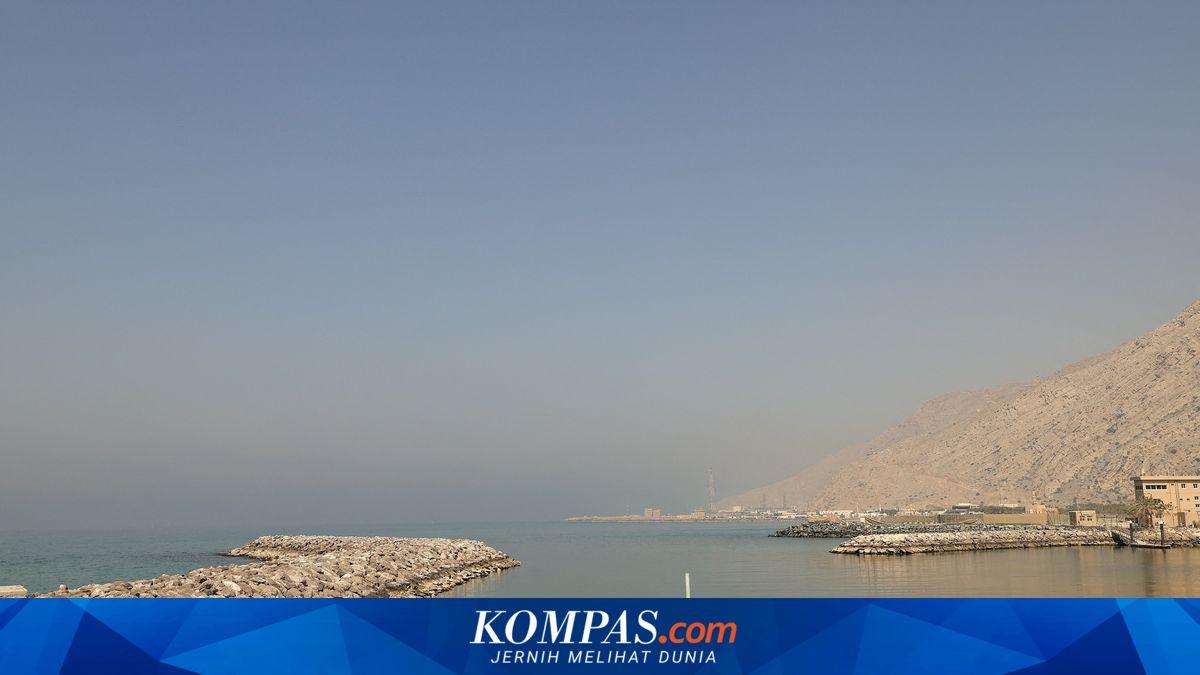
The Strait of Hormuz is located in the Middle East, connecting the Persian Gulf with the Gulf of Oman and subsequently the Arabian Sea. Geographically, the strait lies between Iran to the north and Oman and the United Arab Emirates to the south.
According to the expert, if Iran can withstand military pressure from the United States and Israel, the escalation of conflict could expand beyond limited warfare into a broader regional conflict. “If Iran can endure, then regional escalation could potentially widen the conflict and disrupt international supply chains,” he stated.
For Indonesia, a surge in oil prices risks increasing energy import costs, weakening the rupiah’s exchange rate, and narrowing the government’s fiscal space amid development financing and social protection needs. “If this persists, rising world oil prices will have serious consequences for the fiscal conditions of countries worldwide, including Indonesia,” he concluded.