
US-Iran Clash Amidst Negotiations: A Genuine Desire for Peace or Not?
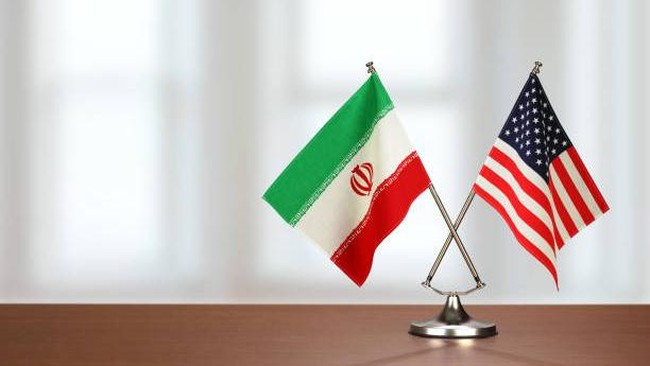
A US official from President Donald Trump’s administration stated the two countries would meet in Qatar on Tuesday and had agreed to a ‘temporary halt for the time being’. Meanwhile, former US National Security Advisor Jake Sullivan assessed that such tensions are actually common during the negotiation process. ‘Iran tends to demonstrate control over the strait, then retreats when the Trump administration reacts harshly because they still want to retain the benefits of the memorandum of understanding,’ he told CNN International.
The agreement came after four days of clashes involving Iranian attacks on commercial ships, US military retaliation, and a missile strike by Tehran on a US base and Gulf states. The escalation had sparked fears of disruption to global oil distribution, as the Strait of Hormuz is a vital chokepoint for global energy trade. For Iran, maintaining influence over the Strait of Hormuz is a strategic imperative. Tehran seeks to show it can still control traffic in one of the world’s most important shipping lanes while applying political pressure on Trump ahead of more complex discussions, including Iran’s nuclear programme.
Washington, meanwhile, has made it clear it will not allow Iran to dominate the shipping route. US Ambassador to the United Nations Mike Waltz warned that any Iranian aggression would be met with a response. ‘If the Iranian regime thinks President Trump will stand idly by while Iran attacks international ships or our bases without consequence, they are sorely mistaken,’ Waltz asserted in an interview on Fox News Sunday. Despite the clashes, both sides have a strong interest in maintaining the ceasefire. The US has begun easing some sanctions on Iran while awaiting a permanent deal, and Tehran is boosting its oil exports to revive an economy battered by years of embargo. The stabilisation of shipping traffic in the Strait of Hormuz has also helped ease global oil prices. In the US, the average petrol price has fallen to $3.87 per gallon from a peak of $4.56 per gallon in late May, though it remains about 30% higher than before the conflict began.
Analysts, however, believe the path to peace remains long. Sullivan predicted Iran would use a phased negotiation strategy, offering small concessions and then retracting them to keep the US at the table. ‘When it comes to the nuclear issue, I think they will give little concessions, then pull them back, then offer them again. I doubt there will be significant progress in 60 days,’ he said. The situation has also sparked political debate in Washington, with some Republicans arguing the major conflict is over and only ‘clean-up operations’ remain, while Democrats have questioned the legal basis for the US military operations and labelled Trump’s memorandum of understanding as premature.