
US-Iran Ceasefire Under Threat? Wave of Missiles Targets UAE-Saudi Arabia
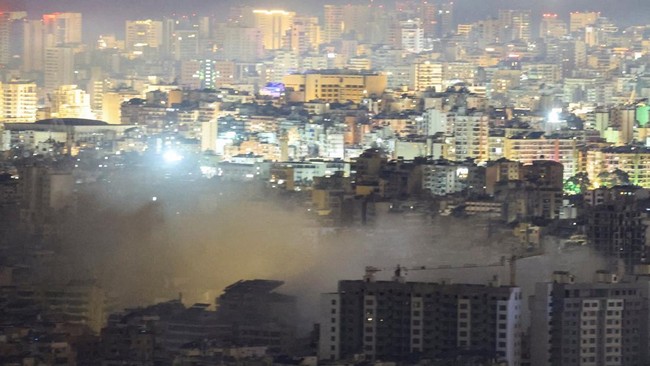
Jakarta, CNBC Indonesia - Several countries in the Gulf region reported a large-scale attack involving missiles and unmanned aerial vehicles (drones) launched by Iran on Wednesday (8/04/2026). This attack dramatically triggered the activation of air defence systems throughout the region just hours after the announcement of a two-week ceasefire agreement between the United States (US) and Iran.
Quoting CNBC International, the situation in the Gulf region was tense as the United Arab Emirates (UAE) air defence systems worked hard to intercept objects in the sky. The UAE ministry promptly issued instructions for the public to seek safe shelter.
“The sounds heard in various parts of the country are the result of the UAE air defence systems intercepting ballistic missiles, cruise missiles, and drones,” said Abu Dhabi, as quoted by the website.
A similar situation occurred in Saudi Arabia, where the national Civil Defence organisation issued an emergency warning to residents across the country. The threat targeted not only border areas but also extended to government centres.
The Saudi Civil Defence organisation issued an early warning regarding potential dangers across the country, including Riyadh.
In addition to Saudi Arabia and the UAE, neighbouring countries such as Kuwait, Bahrain, and Qatar were also on high alert. They issued emergency warnings or directly activated defence systems as missile threats began to creep across the regional area.
This attack occurred at a time when Washington and Tehran had just agreed to a temporary ceasefire. The agreement emerged just before the deadline set by US President Donald Trump to launch a massive attack if no deal was reached.
President Trump stated that the Pakistan-mediated ceasefire was highly dependent on the “complete, immediate, and safe” opening of the Strait of Hormuz. This two-week ceasefire was initially projected to open space for negotiations between US and Iranian delegations scheduled to meet in Islamabad on Friday, although the latest missile attack on Gulf countries has raised significant doubts about whether that commitment can proceed.
Tehran itself issued a conditional statement regarding the cessation of their military actions. Iran emphasised that the movements of their armed forces were highly dependent on the actions of the opposing side.
Iranian officials stated in a Wednesday statement that if attacks against Iran were halted, their Armed Forces would cease “defensive operations”. While promising to open routes in the Strait of Hormuz, Tehran inserted a clause that “allows them to define compliance according to their own will”.
Previously, UAE Presidential Advisor Anwar Gargash had warned that a long-term solution was essential for security in the Gulf. “We do not want hostility with Iran, but with the current regime, there is no trust,” said Gargash.
Amid this barrage of missiles, interceptor weapon stocks in Gulf countries were reported to be running critically low. Based on data from the Jewish Institute for National Security of America, the UAE and Kuwait have expended 75% of their Patriot missile stocks, while Bahrain has depleted up to 87% of its supplies to repel the Iranian attack.