
US-Iran Agreement Will Depend on Several Key Factors
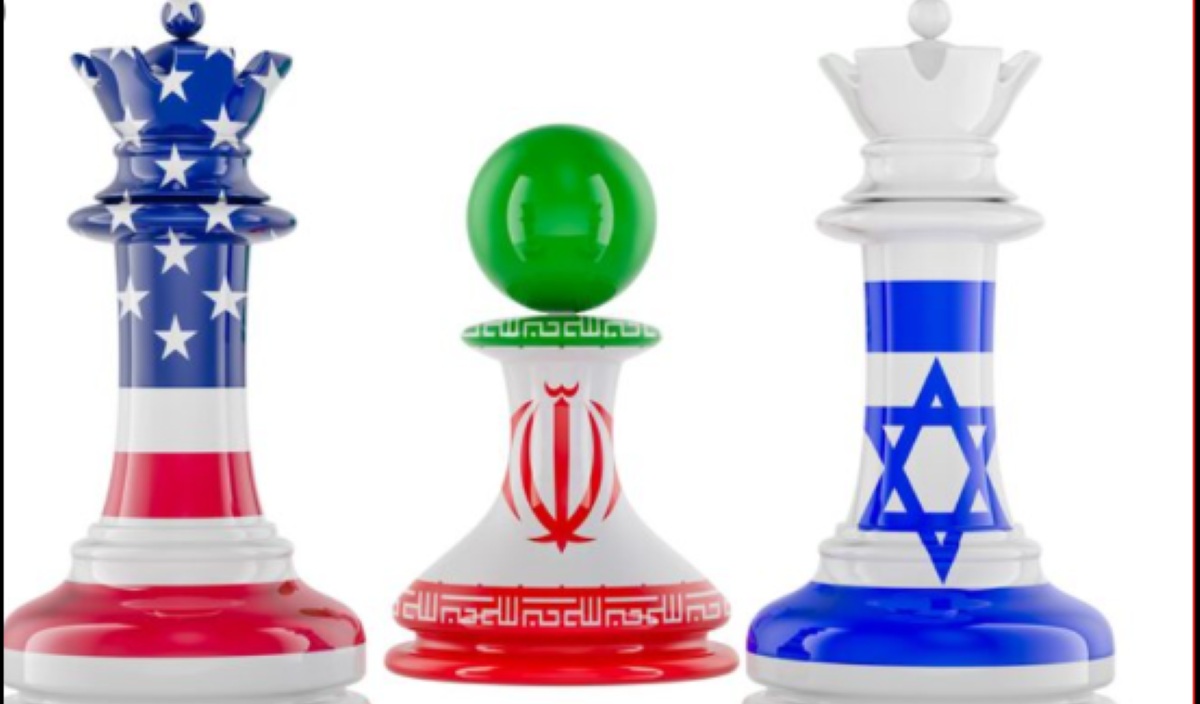
The international community was stunned by a major announcement from the White House on Sunday (14/6) local time. US President Donald Trump declared that an initial agreement had been reached with Iran, a move he described as the greatest birthday gift amid tensions that have crippled the global economy for the past four months. The deal, also confirmed by Tehran, marks a potential turning point from an armed confrontation that had threatened the stability of global energy supplies. Despite the optimism, several crucial points remain under scrutiny by international observers. One of the main points of the agreement is the plan to reopen the Strait of Hormuz. The vital trade route, which has been a flashpoint of conflict for months, is scheduled to officially reopen after a formal signing on Friday (19/6). President Trump stated he has given the authority to reopen the route. If realised, the flow of global oil and commodity shipments is predicted to return to normal, providing a major stimulus to a world economy that has been hampered by logistical disruptions in the region. As part of the reciprocal measures, the White House announced it will lift the naval blockade on Iranian vessels. Previously, this economic pressure strategy aimed to completely restrict Tehran’s economic manoeuvrability. This easing is expected to lower diplomatic tensions and give Iran room to continue further negotiations with the United States without suffocating economic pressure. Despite progress between Washington and Tehran, Israel’s position remains an unpredictable variable. Israeli air strikes in Lebanon continued into Sunday morning, triggering a sharp reaction from President Trump. Iran had previously stressed that Israeli military activity was a deal breaker in the peace process. The world’s attention is now focused on whether Israel will be willing to de-escalate military tensions to allow the US-Iran dialogue to continue. Although the atmosphere on Sunday night showed relief on both sides, the road to permanent peace remains long. The real challenges lie in controlling proxy groups on the ground and synchronising policies with regional allies like Israel before the formal signing on Friday.