
US Intelligence: Putin May Test NATO with Limited Attack
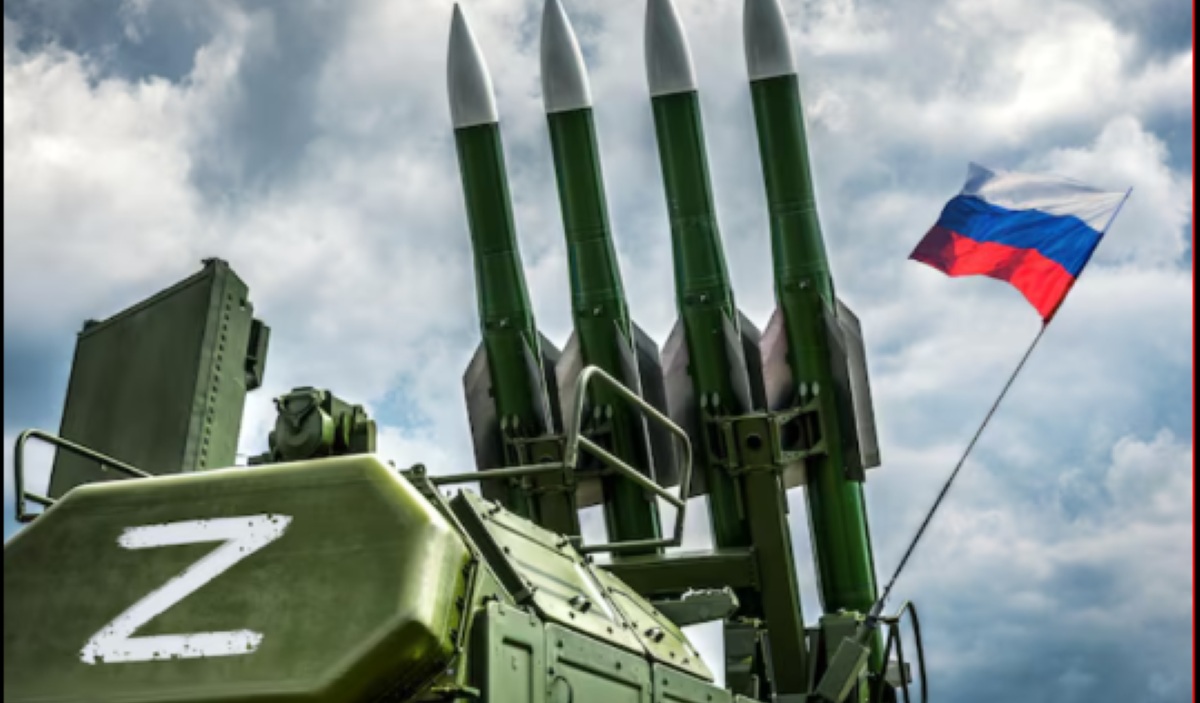
A recent US intelligence report has revealed the possibility that Russian President Vladimir Putin may test NATO’s resolve through a limited attack against a member state in the coming years. The predicted scenarios include cyber assaults and small-scale ground aggression.
The assessment emerges amid concerns among US officials regarding critical ammunition shortages needed by the military to face a potential war with Russia or China. US weapons stockpiles, including long-range Precision Strike missiles, Army Tactical Missile Systems (ATACMS), and Stinger surface-to-air missiles, are reportedly dwindling due to massive shipments to Ukraine and the conflict with Iran.
Previously, the US assessed that Putin would not provoke a NATO member while the war in Ukraine was ongoing. However, that assessment changed earlier this year. Officials say Putin is increasingly cornered in Ukraine and faces domestic pressure to quickly secure a victory.
Meanwhile, Kyiv’s drone attacks are beginning to have a significant impact on the Russian military and oil industry. Russian forces are only making minor advances on the front lines with extremely high casualty rates.
US and European leaders are beginning to see signs of reconnaissance attacks by Russia to test NATO’s reaction, including the crash of a Russian cruise missile in Poland and a drone entering Romanian territory. Putin’s main objective, according to intelligence officials, is to divide the alliance.
Heather Conley, a senior fellow at the American Enterprise Institute, stated, “The question is how the United States will respond in such a case.” She added that Russia’s long-standing goal is to challenge NATO’s credibility and separate the US from its allies.
US intelligence is analysing various threats that could occur between autumn this year and 2029. While the likelihood of a ground invasion is considered low, the risk is predicted to increase over time. Such an extreme step risks triggering NATO’s Article 5 on collective defence. However, Article 5 is considered insufficiently specific in regulating responses to hybrid or cyber threats, which often make NATO members hesitant to escalate.
The intelligence concerns are compounded by low US air defence inventories, including Patriot, SM-3, and THAAD interceptors. A report from the Center for Strategic and International Studies (CSIS) estimates the US expended approximately 1,060 to 1,430 Patriot missiles in the conflict with Iran, leaving only about 870 units in its arsenal.
Although Pentagon spokesperson Sean Parnell denied claims of ammunition shortages and affirmed the military’s full readiness, analysts warn that munitions expenditure in the Middle East could hamper the US’s ability to deter adversaries in other regions, including China in the Western Pacific.
NATO spokesperson Colonel Martin O’Donnell stated that the alliance continues to monitor the situation. “NATO is watching and we are ready to deter and defend if necessary,” he asserted.