
US-India Relations Fracture, Trump in the Spotlight
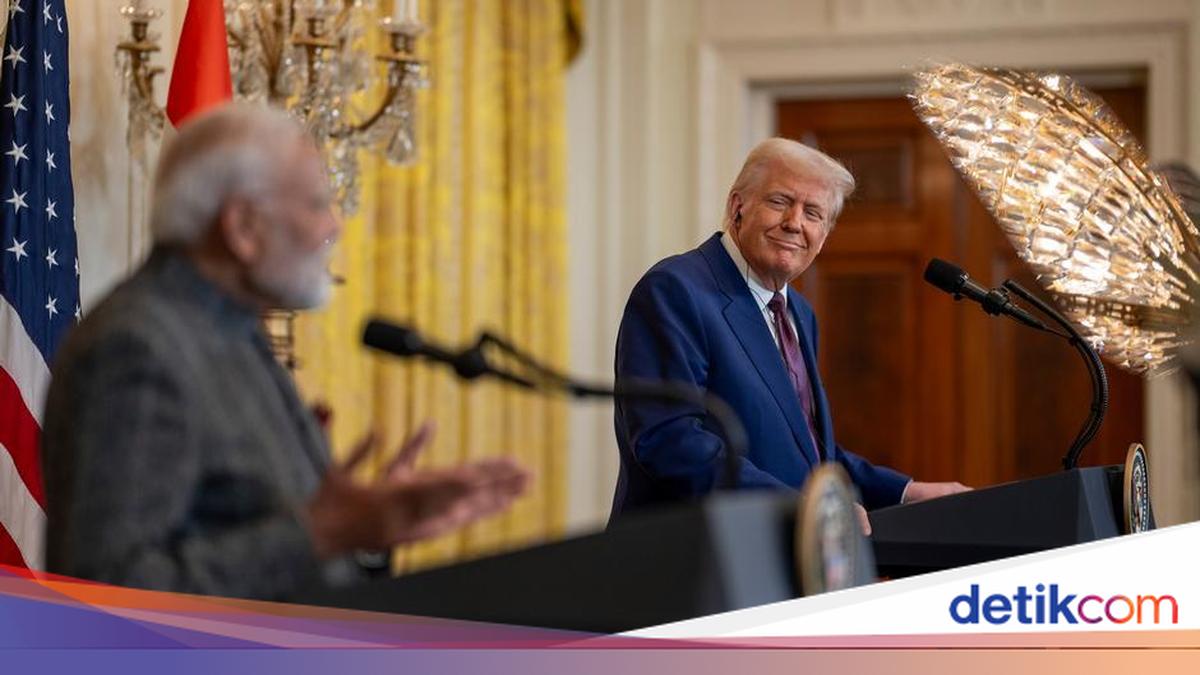
New Delhi last week condemned as “inappropriate” a social media post by US President Donald Trump that referred to India as a “hellhole.”
Trump shared a clip from the radio show The Savage Nation, where conservative commentator Michael Savage stated: “A baby born here immediately becomes a citizen, then they bring their entire family from China or India or other hellholes on this planet.”
India’s Ministry of External Affairs described the statement as “clearly unfounded, inappropriate, and classless,” in a statement quoted by Reuters.
“The statement clearly does not reflect the reality of India-US relations, which have long been based on mutual respect and shared interests.”
This comment comes amid broader economic pressures increasingly weighing on public sentiment in India towards Washington.
Why India-US relations remain important
India-US relations form a central part of both countries’ global strategies, built on shared economic, security, and technological interests.
The United States is India’s largest trading partner and the primary destination for its diaspora.
New Delhi also plays a key role in Washington’s Indo-Pacific strategy, particularly as a counterbalance to China’s growing influence.
Although formal relations are unlikely to change, India’s once aspirational view of the US is increasingly shifting to a more transactional one.
India entered 2025 with optimism about what Trump’s second term would bring to bilateral relations.
Five months later, the US President and Indian Prime Minister Narendra Modi became embroiled in diplomatic tensions after Trump announced a ceasefire between India and Pakistan following the Pahalgam attack in Indian-administered Kashmir, claiming credit as a mediator. Pakistan backed the claim.
However, India firmly rejected Trump’s claim, asserting that ceasefire talks were conducted bilaterally and that third-party involvement in the Kashmir issue is unacceptable.
How US tariffs on India are shaking bilateral trust
In July 2025, the US announced it would impose 50% tariffs on India, one of the highest in the world, partly because India was buying Russian oil.
In an August 2025 report published by the Delhi Policy Group think tank, former diplomat Hemant Krishan Singh described US-India relations as at a “turning point.”
“Targeting India over Russian oil purchases while giving leeway to other (and larger) buyers can hardly be seen as anything other than a hostile act,” Singh wrote.
“There has been a setback in mutual trust, shaken confidence, emerging uncertainty, and declining public support in India,” he added.
In his speech at last month’s Raisina Dialogue security conference in New Delhi, US Deputy Secretary of State Christopher Landau said that “India must understand that we will not repeat the same mistakes with India that we did with China.”
“That was the peak of what has happened over the past year. The fact that this comment was made in a strategic forum shows how the US administration views India,” said Navtej Sarna, former Indian ambassador to the US.
Sarna told DW that this angered many officials in Delhi. “The warmth towards Pakistan also adds to the distrust in India,” he added.
How US actions are impacting Indian society
Experts point to a series of other incidents, from tightened restrictions on the H-1B visa programme widely used by Indian and Chinese migrants, to Trump-affiliated influencers reinforcing narratives seen as racist about India, as well as Trump granting temporary permission to India to buy Russian oil amid shortages related to the effective blockade of the Strait of Hormuz.
Independent journalist and disinformation expert Karen Rebelo explained that the Iran war has “turned everything upside down.”
“The rupee has hit a low point, stock markets have suffered losses, supply chains are disrupted. People’s lives are directly affected, and no one is immune, especially in import-dependent India,” she told DW.
Right-wing Indian voters, largely small, medium, and large business owners, previously tended to support Trump due to ideological similarities.
“Both rely on religion, both are conservative and pro-business, both see Muslim minorities as enemies,” said Rebelo.
However, that traditional support is now turning into more subdued frustration as their businesses are impacted.
“There’s even envy. They want India to be the deciding party, to have the power to set the direction,” she said.
Indian media shifting stance on the US
The Modi government has largely exercised restraint in responding to Trump’s second administration, in exchange for occasional praise from the US president calling New Delhi a “very good friend.”
“India has decided to maintain the consistently built relationship so as not to lose everything,” said Sarna, noting that India is trying to respond with maturity, even when a firmer stance might be justified.
However, when the government chooses restraint, government-aligned influencers are sharply criticising the US president.
YouTubers with millions of followers, such as Nitesh Rajput, Shams Sharma, Abhi from Abhi and Niyu, and Abhijit Chavda, previously followed the government’s narrative.
In the last three months, all have published content moving away from the “good friend” narrative. Some videos even question Trump’s sanity.
“Anti-US sentiment is clearly at its highest in some time,” said Sundeep Narwani, one of the founders of Indian AI research firm Narrative Research Lab, which monit