
US Imposes New Sanctions on ICC President and Senior Prosecutor
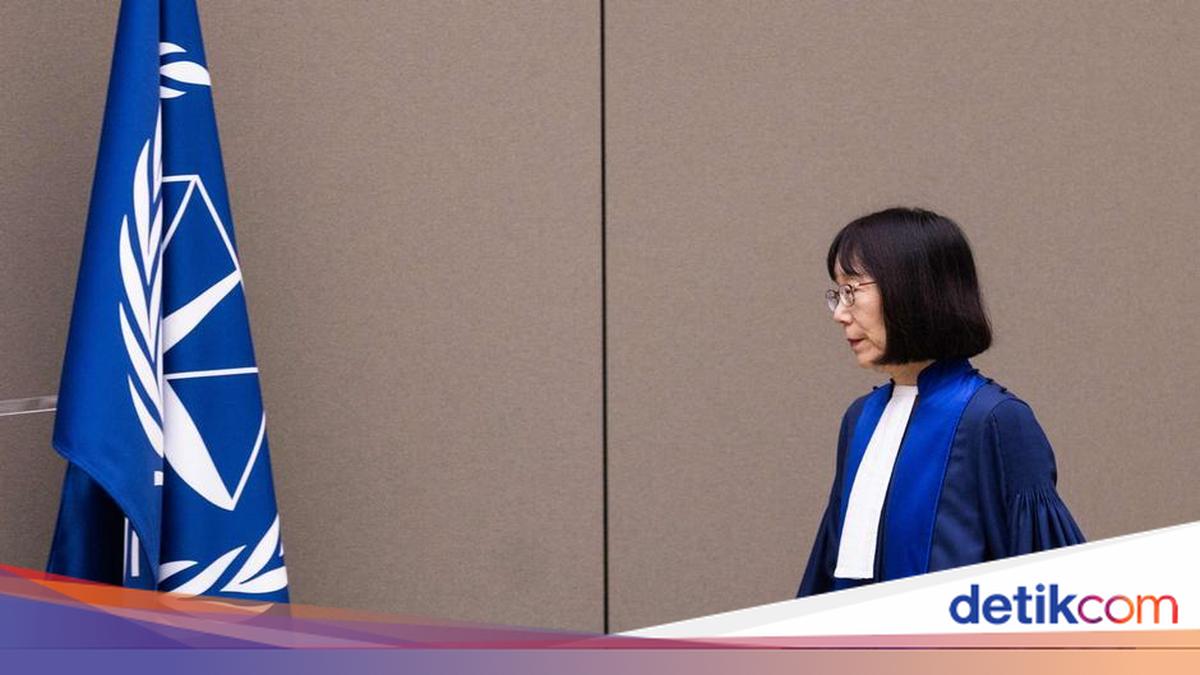
US Secretary of State Marco Rubio has announced that the Donald Trump administration has imposed sanctions on the President of the International Criminal Court (ICC) and a senior prosecutor.
The move, announced on Tuesday (18/08), is the latest escalation in a series of actions by the Trump administration against the international judicial body.
The ICC was established in 2002 and is headquartered in The Hague, Netherlands. The institution tries cases of war crimes, genocide, and crimes against humanity. The United States itself is not a member of the ICC.
Rubio said the US imposed the sanctions under the authority of an executive order signed by President Donald Trump. The sanctions target ICC President Tomoko Akane, a Japanese judge, and Abdoulaye Seye, a Senegalese prosecutor handling proceedings at the ICC.
“These individuals are directly involved in the ICC’s efforts to investigate, arrest, detain, or prosecute officials from countries that do not consent to the ICC’s jurisdiction,” Rubio said.
In a post on X on Tuesday (18/08), Rubio said the move was part of “Washington’s unwavering mission to protect American citizens from a court he called deceitful.”
The ICC can only exercise its jurisdiction if member states are unable or unwilling to prosecute serious crimes themselves.
However, the ICC statute also grants the court authority to prosecute citizens of non-member states if they commit crimes on the territory of a member state.
Rubio believes the ICC could threaten US personnel carrying out the Trump administration’s strict immigration policies or conducting “counter-narcotics” operations against vessels in international waters, including other US military members.
“The Trump administration has been clear. The International Criminal Court is a corrupt and highly politicised supranational court that abuses its authority deliberately and exceeds its mandate,” read a US State Department statement.
“We will not tolerate its attempts to attack the sovereignty of nations.”
In 2025, the US imposed sanctions on a number of ICC officials after the court issued arrest warrants for Israeli Prime Minister Benjamin Netanyahu and Defence Minister Yoav Gallant over the war in Gaza.
Then in July 2026, Rubio said the Trump administration would intensify its efforts to weaken the ICC, including through a diplomatic campaign to persuade other countries to withdraw from the court’s membership.
Chad and Venezuela, for example, have heeded the US call and withdrawn from the ICC.
Trump said the US campaign aims to protect its ally, Netanyahu, and others from legal proceedings, not to protect himself.
Three ICC judges sued the Trump administration in June 2026, calling the sanctions illegal. Last week, four human rights groups also filed a similar lawsuit. They argued that the US president’s actions deprive victims of war crimes of access to justice.
The sanctions imposed on Tuesday (18/08) bar Akane and Seye from entering the US and from conducting transactions through the US financial system.
The ICC subsequently said it remains “undaunted” and will continue to support all of its staff.
The court rejected Washington’s move and stated that “actions targeting judges, prosecutors, and staff carrying out the mandate entrusted to the ICC by states instead undermine the rule of law.”
“When judicial actors are threatened for upholding the law, the international legal order itself is at risk,” the ICC said in its statement.