
US House Passes Bill for Russian Oil Import Tariffs to Pressure Moscow's Economy
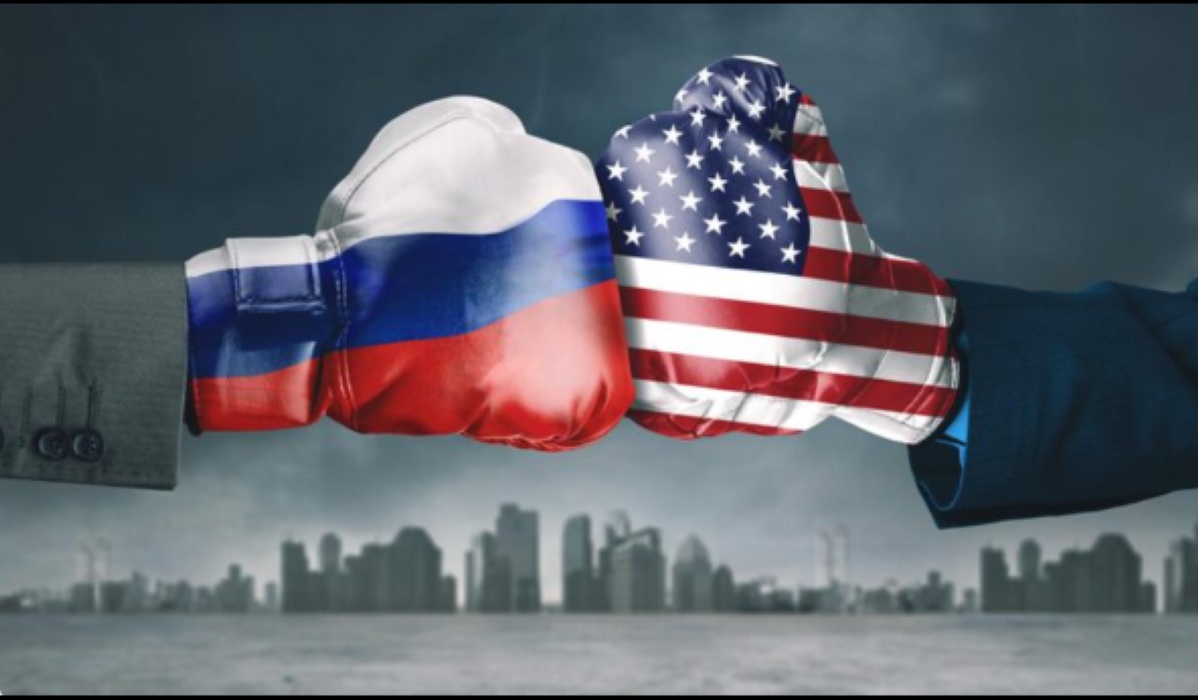
The United States House of Representatives officially passed a law on Wednesday (16/9) granting new powers to President Donald Trump to impose massive tariffs. This measure specifically targets major importers of Russian oil and gas as an effort to pressure Moscow’s funding of the invasion of Ukraine.
The legislation passed with a vote of 262 to 159 and has now been sent to President Trump’s desk for signature. Despite receiving bipartisan support, several Democratic Party members expressed reservations, fearing that Trump might abuse this broader tariff authority.
The law does not only impose sanctions on specific Russian individuals and entities but also targets the five largest importers of Russian fossil fuels. The President now possesses the authority to impose tariffs of up to 100% on countries that continue to purchase energy from Russia. Additionally, the bill extends sanctions against Iran until 2031.
According to data from Senator Jeanne Shaheen, a senior member of the Senate Foreign Relations Committee, China is the primary importer, accounting for 51% of Moscow’s energy revenue. This places Beijing in a vulnerable position regarding the new US tariff policies.
House Member Michael McCaul, the sponsor of this policy, emphasised that passing the bill before the winter months is crucial. The objective is to exert maximum pressure on Russian President Vladimir Putin before Moscow targets Ukrainian civilian infrastructure, such as electricity and water access, again.
“This will hit them where it hurts most and provide the necessary leverage to bring Putin to the negotiating table. It will also pressure China, as they will suffer under these tariffs,” said McCarr.
On the other hand, Representative Gregory Meeks of the Democratic Party expressed scepticism. He argued that the bill grants overly broad tariff powers to Trump and allows the president to bypass sanctions that should be applied.
The bill was originally championed by the late Senator Lindsey Graham and was delayed for over a year before moving forward this summer. This momentum was also driven by the improving relationship between Trump and Ukrainian President Volodymyr Zelensky, who was impressed by Ukraine’s progress on the battlefield.
Senator Richard Blumenthal, who led the bill in the Senate, sent a strong message to the people of Ukraine. “You are not alone. The Russian economy is faltering, and we will choke their war machine,” he asserted.
The passage occurred amidst increasing diplomatic activity. Earlier this month, US envoys Jared Kushner and Steve Witcroft visited Moscow and Kyiv, following a meeting between CIA Director John Ratcliffe and his Russian counterpart in late August. President Zelensky has also been actively lobbying on Capitol Hill to ensure sustained support from Washington.
Thomas Wright, a foreign policy expert from the Brookings Institution, warned that this tariff authority could be a double-edged sword. According to him, Trump has shown a tendency to use tariff tools expansively for coercive purposes against other nations, which poses a risk of global economic uncertainty.