
US Government Rejects Polestar Sales Permit
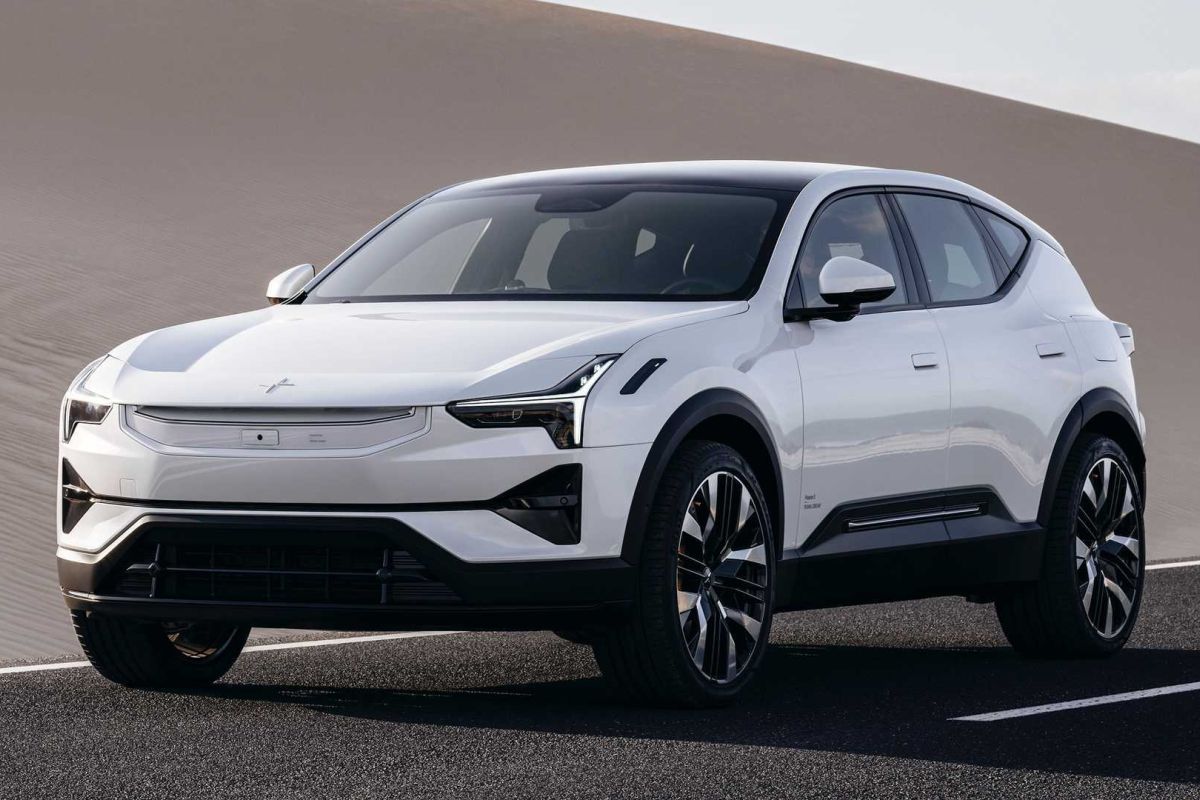
Tensions in the automotive industry have heated up again, after the United States (US) government rejected a sales permit for Polestar electric vehicles (EV) starting from the 2027 model year. Electrek reported on Thursday (25/6) local time that the decision was announced by the US Department of Commerce through the Bureau of Industry and Security (BIS) based on a new rule called the Connected Vehicle Rule. The rule, which came into effect in January 2025, prohibits vehicles with significant links to China or Russia from being marketed in the US. The ban covers the use of software present in the 2027 model year and hardware restrictions by 2030. This is despite one of its mainstay models, the Polestar 3, being produced in Charleston, South Carolina, US, while the Polestar 4 is assembled in Busan, South Korea. The US government considers company ownership and the source of technology to be more important than the vehicle assembly location. Washington’s main concern is the potential for user data collection through connected vehicle technology, such as GPS, cameras, microphones, Bluetooth, and autonomous driving systems. Interestingly, a different decision was applied to Volvo Cars, which is also under Geely’s ownership. Volvo is still permitted to sell connected vehicles in the US because it is considered to have a more independent corporate structure and operations. Throughout 2025, Polestar recorded sales of more than 60,000 cars with revenue exceeding US$3 billion, or approximately Rp48.9 trillion (at an exchange rate of Rp16,300 per US dollar). In the first quarter of 2026, the company delivered 13,126 vehicles, a 7 per cent increase compared to the same period the previous year. The US decision on Polestar serves as a strong signal that geopolitical rivalry is increasingly influencing the global automotive industry. This policy could also set a precedent for other car manufacturers with investments or supply chains based in China, amidst US ambitions to strengthen its domestic electric vehicle industry.