
US Gathers Small NATO Circle; UK, France, and Baltics Uninvited
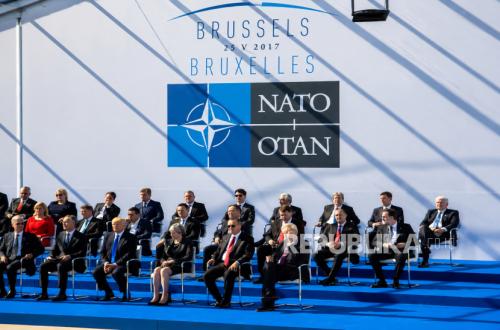
The United States has organised discussions concerning the future of NATO defence with several European nations through a small-scale format known as the Bergen Group. However, the exclusion of the United Kingdom, France, and three Baltic nations has raised questions regarding the direction of Washington’s relationship with its allies amidst significant changes to the trans-Atlantic defence structure.
Euronews reported on Monday (5/10/2026) that the talks are led by a senior Pentagon official in charge of defence policy, Elbridge Colby. The countries identified as participating in the latest discussions are Sweden, Finland, Poland, Germany, and the Netherlands.
The format is known as the Bergen Group following an initial meeting in Bergen, Norway. Berliner Zeitung reported that Colby had previously held two similar meetings involving Norway, Sweden, Finland, Poland, Germany, and the Netherlands.
The United Kingdom, France, Estonia, Latvia, and Lithuania were not included in the invited group, despite these nations holding vital positions in the NATO defence architecture due to both their military capabilities and their geographical proximity to Russia.
Le Monde also reported that the Pentagon invited several allies to discuss the future of NATO without including the UK, France, and the Baltic states. The French media outlet, citing reports from Politico and six diplomats aware of the meeting preparations, described the format as an informal working group discussing the future direction of the alliance.
Berliner Zeitung reported similar information on 1 October. The German media outlet noted that several diplomats have questioned the basis for selecting participating countries, as some of the uninvited nations are indeed key European defence players.
However, the Bergen Group is not a new official structure within NATO. A diplomat from a participating country stated that the small group is intended to generate ideas that can later be brought to all NATO members for further discussion.
NATO is also attempting to mitigate concerns regarding the existence of this format. A NATO official told Euronews that meetings of a group of allies in a smaller format are not unusual within the alliance.
Questions over ‘Selected Nations’
Controversy has emerged because the composition of the group is perceived as potentially creating the impression that Washington has a group of preferred allies. Fabrice Pothier, CEO of Rasmussen Global and a former NATO policy planning official, warned that such grouping could pose a problem for an alliance that relies on the principle of collective defence.
According to Pothier, small groups are indeed common for generating new ideas within large organisations. However, the selection of some allies and the exclusion of others raises questions if the forum discusses the overall strategic direction of NATO.
Colby previously provided a more practical reason. Following the first Bergen Group meeting, he described the participating countries as allies that are quick to meet defence spending commitments, possess sufficient military capabilities, and are ready to act on practical issues.
His objective, according to Colby, is not to form a rival NATO. He stated that the group is expected to encourage the entire alliance to move towards a defence structure that provides a much larger role to European nations.
Source: jawawa.id (https://jawawa.id/newsitem/us-gathers-small-nato-circle-uk-france-and-baltics-uninvited-1791255307)
Originally published by Republika (https://news.republika.co.id/berita/tmgqko451/as-kumpulkan-lingkar-kecil-nato-inggrisprancis-dan-baltik-tak-diundang), translated from Indonesian