
US Furious! Trump Prepares Toughest Sanctions in Iran's History
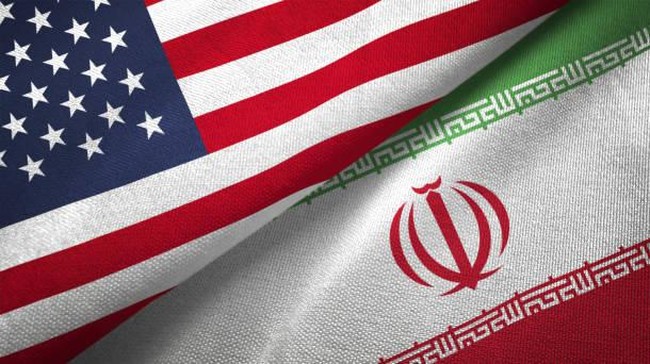
The United States is preparing to tighten economic pressure on Iran after President Donald Trump threatened to impose sanctions on countries that continue to provide support for Tehran. Trump described the plan as an ‘Economic D-Day’ and urged all US allies to help isolate Iran. Countries or parties that continue to buy oil, facilitate financial transactions, or assist in the shipment of Iranian commodities face the threat of punishment from the US.
This was revealed by US Treasury Secretary Scott Bessent, who said the maximum economic pressure strategy is expected to reduce America’s need to resume large-scale military operations against Iran. ‘If we apply maximum economic pressure, there will most likely be no resumption of large-scale military operations,’ Bessent said.
Bessent stated that Washington will give firm choices to countries that still maintain economic relations with Iran. ‘If you insist on doing business with Iran, whether by transferring money, buying their oil, or conducting ship-to-ship transfers at sea, the US Treasury Department and the US government will use all their power to act against you,’ he said.
The pressure will run in tandem with a US naval blockade of Iranian ports in the Gulf of Oman. Bessent said the American government is preparing stricter sanctions and will explain the measures at a press conference on Monday (24/8/2026). ‘This is a double strike. We have the blockade, and we will impose the harshest sanctions in history,’ he said.
However, the latest threat comes as Iran has already faced various economic sanctions for nearly five decades. Restrictions imposed by America have reached government assets, oil exports, banking, tankers, the metals industry, and even cryptocurrency transactions against Iran.
Economic pressure by the United States against Iran began with the deterioration of relations between the two countries after the Iranian Revolution in 1979. In November of that year, a group of students occupied the US Embassy in Tehran and held more than 50 American citizens hostage. The hostage-taking lasted 444 days, more than a year. US President at the time, Jimmy Carter, responded by freezing Iranian government assets within the reach of American authorities.
Documents from the Office of Foreign Assets Control (OFAC), an agency under the US Treasury Department, show that approximately US$12 billion in Iranian assets were officially frozen at that time. The assets included bank deposits, gold, and property. The pressure was then expanded to include restrictions on trade, lending, and fund transfers. Most of the assets were released after the two countries reached the Algiers Accords in January 1981.
However, relations between Washington and Tehran did not fully improve. In 1995, the administration of President Bill Clinton again expanded trade and investment bans with Iran. American companies began to be restricted from exporting goods, technology, and services, as well as investing in Iran. A year later, the US began paving the way to impose sanctions on foreign companies that helped Iran develop its oil industry. This policy marked the beginning of pressure that targeted not only Iran but also external parties that continued to maintain economic relations with Iran.
Oil became the primary target of US sanctions because it is one of the most important sources of revenue and foreign exchange for Iran. Washington restricted the sale of oil, petrochemicals, and LPG, while also pressuring the banking system to make it increasingly difficult for Tehran to receive revenue from energy trade. In 2010, the US tightened sanctions on companies investing in Iran’s energy sector and foreign banks facilitating certain transactions. Pressure also increased in 2012 through restrictions on Iran’s central bank. A number of Iranian banks were also cut off from the SWIFT payment network based on a European Union decision.
The US Treasury Department recorded that Iran’s oil exports fell from around 2.4 million barrels to around 1 million barrels per day in 2012. Iran briefly received relief after the Joint Comprehensive Plan of Action (JCPOA) nuclear deal came into effect in 2016. The recovery of oil exports after some sanctions were eased caused Iran’s economy to grow by 13.4% in 2016/2017, according to the World Bank.
However, the easing of US sanctions on Iran did not last long. In May 2018, Trump again withdrew the United States from the Iran nuclear deal and began reinstating sanctions that had previously been eased. Restrictions were imposed in two stages. In August 2018, Washington again restricted the purchase of US dollar banknotes by the Iranian government, trade in gold and precious metals, transactions involving the rial currency, and automotive industry activities. A second wave followed in November 2018 with broader targets, ranging from oil exports, banking, shipping companies, the energy industry, airlines, to insurance services.
On 5 November 2018, OFAC imposed sanctions on more than 700 individuals, companies, aircraft, and ships in a single day. The targets included around 50 Iranian banks and their affiliates, more than 200 parties and ships connected to the energy and shipping sectors, and dozens of aircraft belonging to Iranian airlines. Pressure continued to expand in subsequent years. In 2019, the US added the Islamic Revolutionary Guard Corps (IRGC) to its list of terrorist organisations. Washington also strengthened sanctions against Iran’s central bank and sovereign wealth fund.
Source: jawawa.id (https://jawawa.id/newsitem/us-furious-trump-prepares-toughest-sanctions-in-irans-history-1787323861)
Originally published by CNBC Indonesia (https://www.cnbcindonesia.com/research/20260821134206-128-761302/as-murka-trump-siapkan-sanksi-terkeras-dalam-sejarah-iran), translated from Indonesian