
US Firmly Rejects Iranian Tariffs on Strait of Hormuz
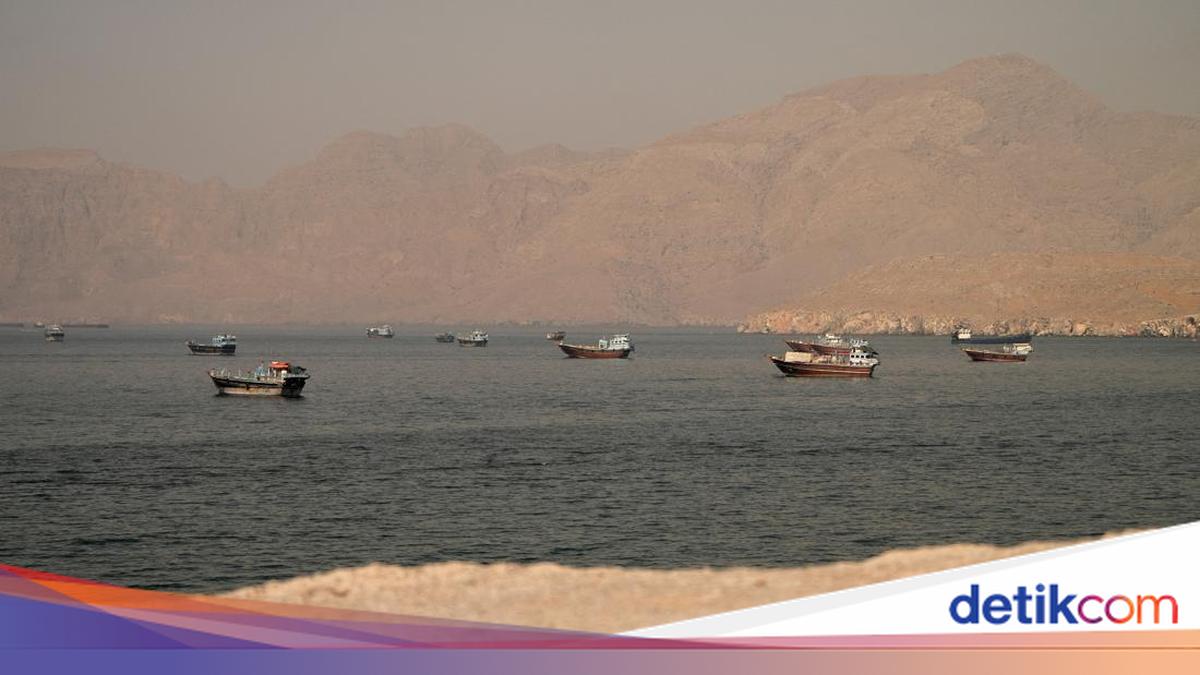
United States Secretary of State Marco Rubio has stressed that Washington will not accept Iran imposing tariffs on the Strait of Hormuz. The dispute over the vital waterway, nuclear inspections, and missiles has become a source of tension in negotiations to end the war in the Middle East.
Washington and Tehran have signed a preliminary agreement to halt the conflict. Both sides have also completed the first round of talks in Switzerland, initiating a 60-day negotiation period concerning sanctions relief, Iran’s nuclear programme, and the future of the Strait of Hormuz.
Iran’s blockade of the crucial strait during the war with the US-Israel alliance caused global oil prices to soar. However, ship traffic has begun to increase since the US-Iran peace deal was signed. The Iranian government has repeatedly asserted that it will maintain control over the strait, which is the shipping route for a fifth of the world’s oil.
On Tuesday (23/6), the governments of Iran and Oman, which share the Strait of Hormuz, said in a joint statement that they would study the administration of the trade route and fees to be charged for services, while continuing to assert their sovereignty over the strait.
Rubio, who was opening a regional tour in the United Arab Emirates, said Washington would oppose such a move. “This is an international waterway. No country is allowed to impose tariffs or fees on an international waterway,” the US Secretary of State stated, as reported by the AFP news agency on Wednesday (24/6/2026). He added that he believed “all countries in the region will agree”.
Previously, Tehran’s chief negotiator, Mohammad Bagher Ghalibaf, said Hormuz “will never return” to the pre-war status quo, even though both sides agreed to establish a line of communication to keep it open.
Meanwhile, the UN maritime agency said it would begin evacuating more than 11,000 sailors stranded by the blockade, working with Iran, Oman and the United States after securing “necessary safety guarantees”. Traffic in the Strait of Hormuz on Monday reached its highest level since the war began, according to two maritime tracking platforms, though the volume was still just over 40 per cent of the normal peacetime level of around 120 ships per day.