
US Fires Missiles at Ship Violating Iranian Port Blockade, Oil Prices Rise Again
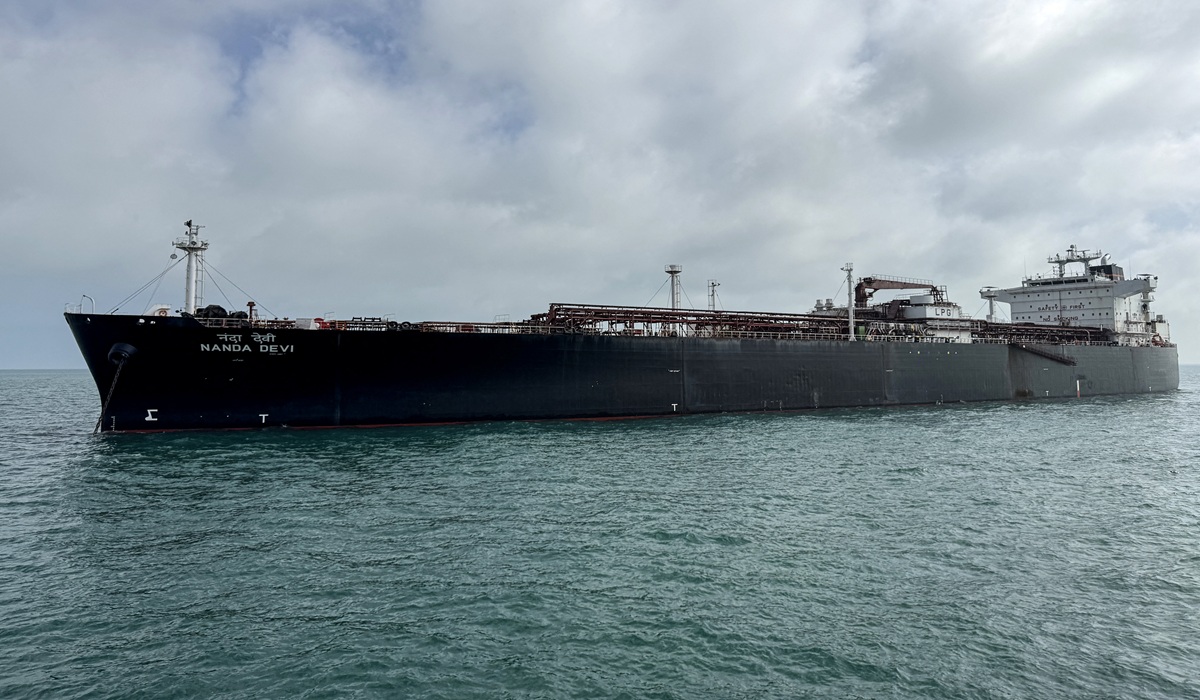
The conflict between Iran and the United States has intensified after a US vessel fired upon a ship attempting to enter an Iranian port due to a blockade violation. According to the US Central Command (Centcom), this follows a blockade in effect since 13 April 2026. The heightened tensions between Iran and the US have caused oil prices to rise.
Oil prices increased by more than 1% at the start of trading today, 6 June 2026, as new Middle East tensions shook the market. Iran launched missiles towards Kuwait and Bahrain, while efforts to revive diplomatic relations between Tehran and Washington appear to have made little progress. According to the US military, Iran fired ballistic missiles towards Kuwait and Bahrain, although no targets were hit. In response to what was described as an attempted attack, US forces launched strikes against Qeshm Island in Iran. Market participants reacted swiftly to the potential for distribution disruptions in the Strait of Hormuz, a vital artery for global oil trade. This 1 per cent increase reflects the risk premium being recalculated by investors amidst security uncertainty in this major producing region.
According to The Economic Times, Brent crude rose by $1.05, or 1.09%, to $97.05 per barrel, while US West Texas Intermediate (WTI) rose by $1.01, or 1.08%, to $94.77. Investors continue to monitor developments surrounding the conflict, as Iran reviews a US proposal aimed at ending hostilities. Iranian media reported on Tuesday that Tehran has not been in contact with Washington for several days; however, US President Donald Trump asserted that negotiations are ongoing.
The rise in crude oil prices often places an additional burden on energy-importing nations. If this strengthening trend continues due to prolonged conflict, global inflationary pressures are predicted to increase. This also has the potential to influence central bank monetary policies in various countries as they strive to maintain economic stability. Conversely, the rise in commodity prices provides a boost to oil-exporting nations, though geopolitical uncertainty remains a significant risk to capital market volatility and global currency exchange rates.
US military escalation with Iran has increased following missile attacks in the Strait of Hormuz and Bahrain, threatening regional diplomacy and ceasefire processes. The US has further increased pressure on Iran, with US missiles fired at a tanker accused of violating the Iranian port blockade on Tuesday (2/6). Moody’s economist Mark Zandi warned of a US recession risk if a peace deal with Iran fails, as oil prices surged due to the threat of a closure of the Strait of Hormuz. Oman is also facing diplomatic pressure from the US, with President Trump threatening sanctions or airstrikes if Oman supports plans for levies on Iranian ships in the Strait of Hormuz. Iran has suspended peace talks with the US following intensive Israeli attacks in Lebanon, though Donald Trump claims negotiations are progressing rapidly despite the heat of the situation. Iranian President Masoud Pezeshkian criticised US hypocrisy regarding the port blockade, as tensions rose after Iran seized two cargo ships in the Strait of Hormuz. Meanwhile, UK Prime Minister Keir Starmer has gathered 35 nations to discuss diplomatic and military solutions to lift the Strait of Hormuz blockade, which is currently hindering 1,000 ships.