
US Expert Says Indonesia Suitable for Nuclear Development, But in This Form
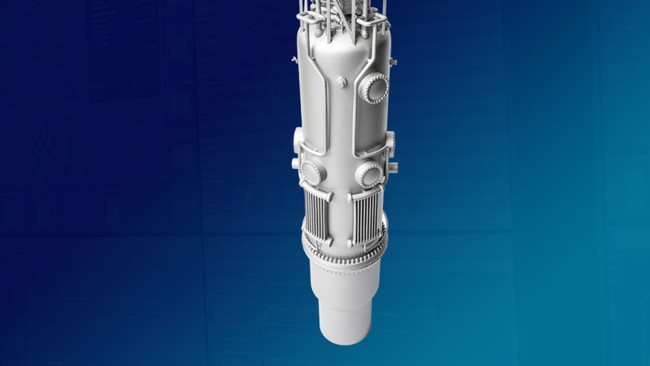
Jakarta - Indonesia is considered to have characteristics that are highly suitable for developing nuclear power plants based on Small Modular Reactors (SMRs). This technology is deemed capable of addressing Indonesia’s geographical challenges as an archipelagic nation with electricity needs spread across various regions.
“We see that SMRs offer a great opportunity because they are more compact in size and can be placed in more remote areas or locations with high energy needs, such as mining areas,” said US nuclear energy expert Kelle Barfield during a discussion titled Powering the Future: American Leadership in Clean Nuclear Energy at @america, cited on Wednesday (26/6/2026).
According to Barfield, one of Indonesia’s biggest challenges is ensuring that the electricity supply can reach communities throughout the Nusantara. Under these conditions, SMRs become an attractive solution because they do not require infrastructure as large as conventional nuclear reactors and can serve specific energy needs in various regions more effectively.
She also assessed that reciprocal cooperation between Indonesia and the United States could accelerate nuclear energy development in the country. Several US-designed SMRs have undergone rigorous licensing and evaluation processes by the American nuclear regulator, making them a viable reference for Indonesia.
“Indonesia can utilise designs and processes that have been verified in a country with long experience operating nuclear power plants, such as the United States. Moreover, this cooperation also opens access to the US nuclear supply chain and vendors,” she stated.
Barfield stressed that one of the biggest challenges in nuclear development is not the technology itself, but the readiness of human resources and the supporting ecosystem. Therefore, Indonesia is urged not to wait for all final decisions before starting to build workforce capacity, industrial networks, and financing schemes.
In terms of technical support, the United States has reportedly run several assistance programmes for Indonesia, one of which is the FIRST programme, or Foundational Infrastructure for Responsible Use of Small Modular Reactor Technology. This programme helps partner countries determine technology choices, construction sites, and other supporting aspects in SMR development.
Regarding construction timelines, Barfield cited the BWRX-300 SMR project in Darlington, Canada, which has already entered the construction phase. The project is targeted to begin operations within approximately three years, much faster than the construction of large nuclear reactors with capacities of 1,000 to 1,500 megawatts, which generally require a longer time.
She is also optimistic that interest from US nuclear companies in investing in Indonesia will increase, especially if the projects currently being explored show positive results. According to her, a successful cooperation experience can become a model for other companies to follow in entering the Indonesian market.