
US Emergency Oil Reserves Plunge to Lowest Level Since 1983
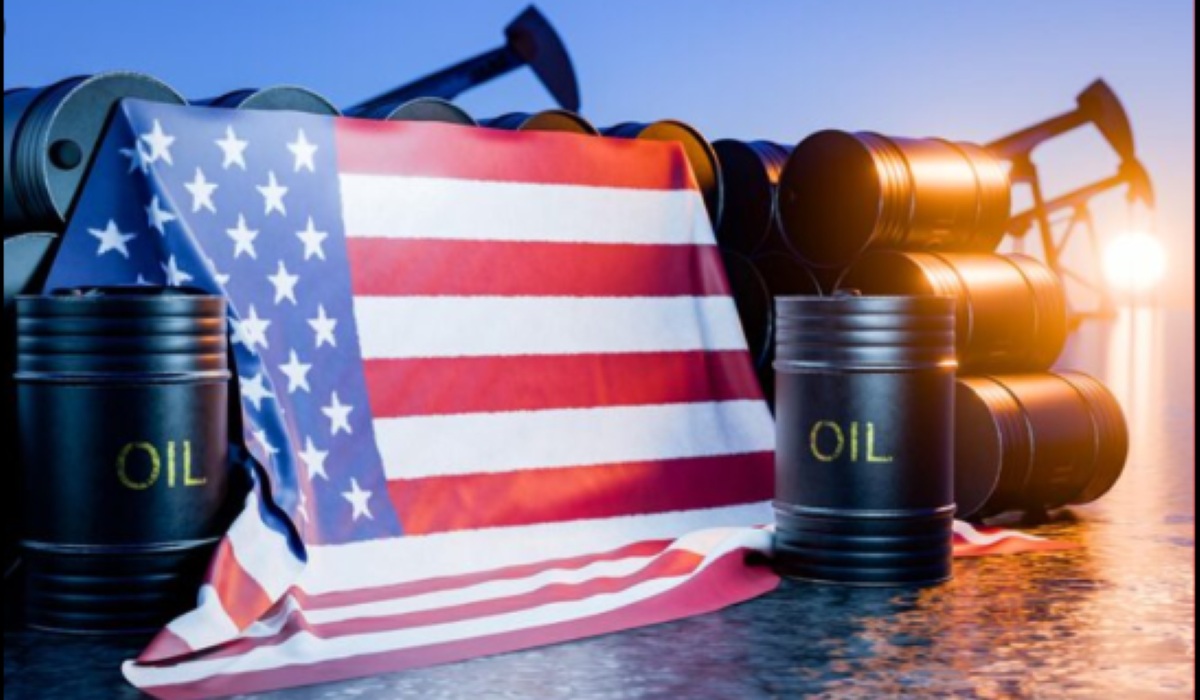
The United States’ Strategic Petroleum Reserve (SPR) has reportedly dropped sharply to its lowest level since 1983. This decline occurs as the Donald Trump administration continues to deploy emergency reserves to minimise the economic impact resulting from the war with Iran.
Based on federal data released on Monday (15/06/202 Mitigating), US authorities released 8.9 million barrels of oil from the SPR in the past week alone. This aggressive move leaves US emergency oil reserves at 340.3 million barrels of crude.
This figure officially surpasses the previous record low recorded in July 2023 under the Joe Biden administration, when the US faced market volatility due to the Russian invasion of Ukraine. For historical comparison, the SPR was last at such a low level in July 1983, when the Ronald Reagan administration was just beginning to replenish the reserves for the first time.
The SPR has now become a primary instrument for Trump administration officials to mitigate losses caused by high energy prices for consumers, businesses, and the broader economy. This intervention is considered crucial to prevent even more extreme surges in crude oil prices.
“The release of the Strategic Petroleum Reserve, combined with similar steps by other governments and export reductions by China, has so far prevented an ‘Armageddon’ scenario where oil prices could reach US$150 per barrel,” said Andy Lipow, President of Lipow Oil Associates.
However, a series of global conflicts has depleted much of the national stock. Since the war with Iran broke out in late February, the SPR has decreased by 75 million barrels, or approximately 18% of its total capacity.
Trump’s actions have triggered sharp political scrutiny. During the 2022 campaign, Donald Trump harshly criticised Joe Biden for draining the SPR ahead of the mid-term elections. However, the Trump administration is now draining oil reserves at a higher rate ahead of this year’s mid-term elections.
Mike Sommers, CEO of American Petroleum Reserve, expressed concern regarding this downward trend. “We are sounding the alarm now. We are starting to reach very worrying levels,” he stated in an interview with CNN.
A significant risk looms if these releases continue without a rapid replenishment plan. Andy Lipow warned that these emergency stocks are unlikely to be replenished in time before the peak of the hurricane season in the Gulf of Mexico.
“If a major hurricane hits the Gulf of Mexico and halts production for several weeks, that buffer will no longer be there to protect the market,” concluded Lipow.