
US Embargo Causes Record Loss of Over $8 Billion for Cuba
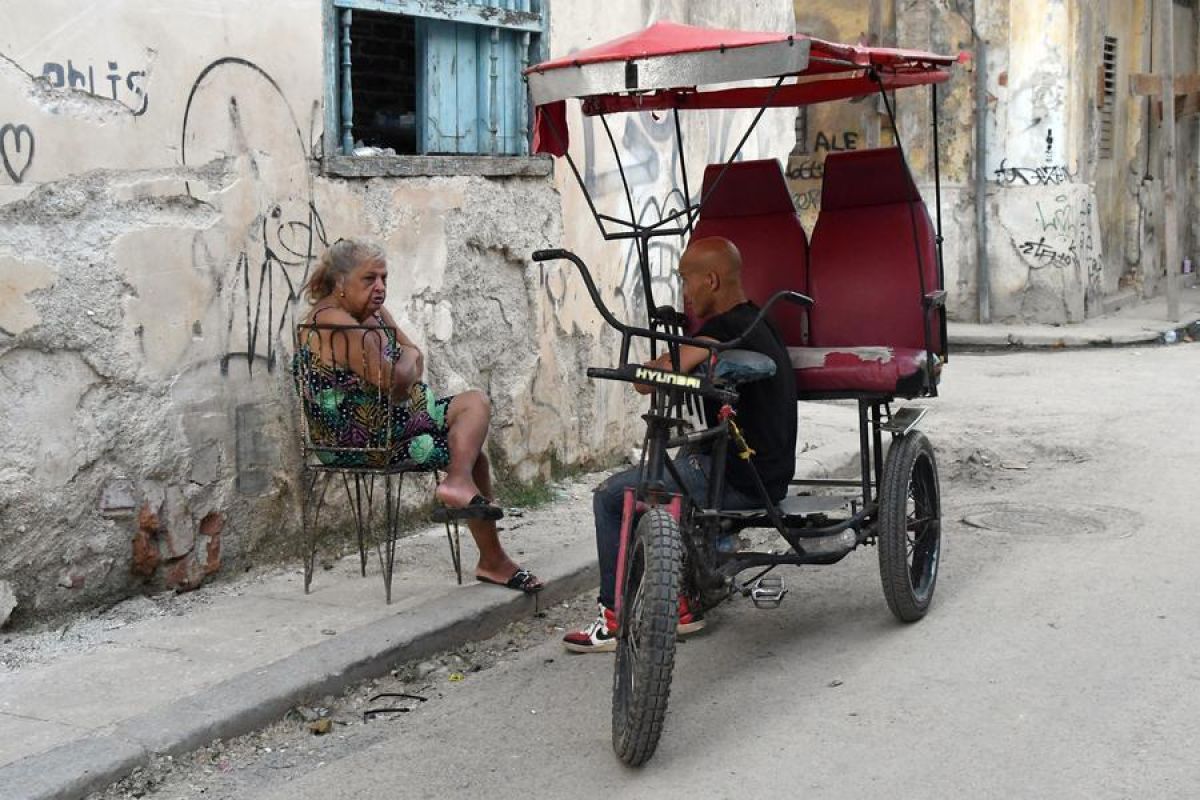
Havana (ANTARA) - The tightening of Washington’s trade embargo against Cuba has caused the island to suffer a record economic loss of $8.083 billion (1 USD = Rp17,653) from March 2025 to February 2026, a 7 per cent increase compared to the previous year.
Cuban Foreign Minister Bruno Rodriguez on Monday (7/9) condemned the destructive impact of the embargo on all aspects of Cuban society’s life.
Cuba has been under the United States trade embargo for over six decades. The government stated that cumulative economic losses have exceeded $178.7 billion at current prices, an increase of 4.7 per cent from the previous period.
The administration of US President Donald Trump has tightened the embargo by effectively banning fuel supplies to Cuba through executive orders that threaten to impose sanctions on companies managing tankers or shipping lines, thereby triggering an acute energy crisis.
“The embargo does not punish the government, but rather punishes the daily lives of the people in every aspect,” said Rodriguez.
“This is an act of collective punishment, clearly visible in the months spent living with only two or three hours of electricity per day, or even less. It has disrupted the entire fabric of family life.”
He noted that a single ship carrying 100,000 metric tons of crude oil could drastically reduce power outages for approximately two weeks.
He further explained that the sanctions also block spare parts for thermal power plants, as well as solar panels and battery requirements for photovoltaic parks that could be installed within 45 days.
The energy crisis has also impacted water supplies, as power outages disrupt water sources, pumping stations, and pipeline pumps. Meanwhile, fuel shortages due to US sanctions have made the operation of generators difficult, according as Rodriguez.
The shortage of electricity supply has also affected hospitals and other healthcare facilities, including those providing essential care for newborns, he added.
He noted that surgeons are sometimes forced to perform operations using lighting from rechargeable lamps or mobile phones, while fuel scarcity also hinders ambulance fleets and access to medicines.
According to government data, the infant mortality rate in Cuba surged from four per 1,000 live births in 2018 to 9.9 in 2025, a trend that Rodriguez attributed to the lack of resources within the public health system and various difficulties in providing medical care and services.
The transport and education sectors have also not escaped the impact, he added, as fuel shortages have made it difficult for workers, students, and teachers to travel.
These sanctions are further eroding the quality of life, said Rodriguez. “This is not a matter of ‘collateral damage’, a phrase that is also unacceptable in the context of the US criminal war against Cuba.”
“They are victims of an aggressive strategy, a coldly calculated plan. That is the purpose of the measures being implemented. It is a collective punishment against the Cuban people to achieve political goals,” he said.
The Cuban government will continue to prioritise meeting the needs of the people and will proceed with the economic and social reforms approved by the National Assembly of People’s Power of Cuba, he added.