
US Dollar Dominance Under Threat: Economic Sanctions and Global Gold Accumulation Trends
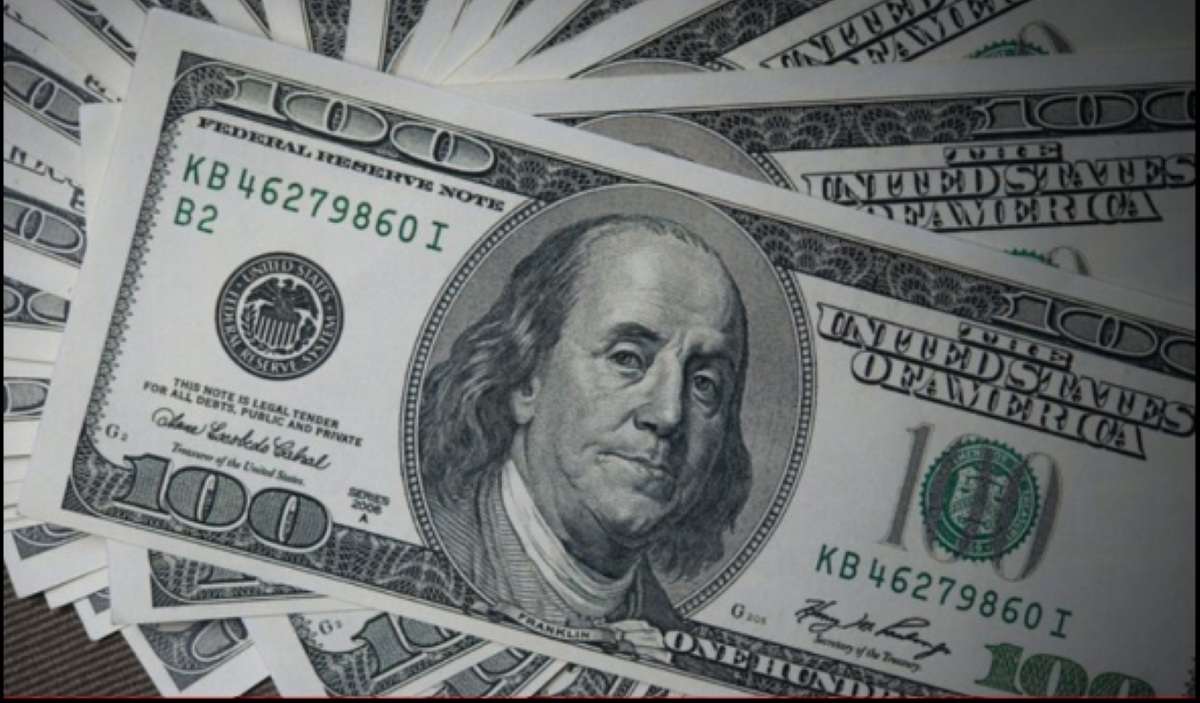
Last year, European Central Bank President Christine Lagarde stated that uncertain policymaking in the United States is paving the way for a global euro moment. This warning is becoming increasingly relevant as global doubt grows regarding the dominance of the US dollar as the primary reserve currency.
The United States has long utilised the special status of the greenback as a foreign policy tool, particularly through the imposition of harsh sanctions on adversaries such as Iran and Russia. However, the intensification of these financial sanctions has triggered fears that the US is forcing other nations to seek alternatives outside the American financial system.
Despite attempts to reduce sanctions programmes earlier this year, the policy direction shifted sharply last August. Scott Bessent announced an initiative titled ‘Operation Economic Outscale’ aimed at strangling the Iranian economy. The programme threatens secondary sanctions on any country that maintains economic relations with Tehran.
This aggressive move is recognised by the US Treasury itself as carrying significant risks. If these threats are fully implemented, they have the potential to destabilise the global financial system due to the deep economic interconnections between nations.
Amidst this uncertainty, US adversaries are finding new loopholes through technology. The emergence of Central Bank Digital Currencies (CBDCs), stablecoins, and cryptocurrencies provides alternative pathways for international transactions without having to pass through the US banking system. China, for instance, has led the development of cross-border digital currency platforms.
“The story of moving away from the dollar is one of the oldest stories there is,” said Josh Lipsky, International Economics Director at the Atlantic Council. He added that technology is now making such efforts cheaper and easier than ever before.
In addition to digital currencies, many countries are returning to traditional assets: gold. In 2025, global international reserves in the form of gold officially surpassed foreign official holdings of US Treasury securities. This year, gold prices even made history by breaking the US$5,000 per troy ounce mark as central banks worldwide continue to stockpile the precious metal.
Distrust in the US is also evident in large-scale gold repatriation efforts. This month, the Dutch Central Bank moved a significant portion of its 95-ton gold reserve out of the US, citing rising geopolitical unrest. Previously, in March, the Bank of France also withdrew 129 tons of gold from the Federal Reserve Bank of New York to bring it back to Paris.
Daniel Tannebaum, a risk expert from Oliver Wyman, noted that the aggressive use of tariffs and export controls is making European nations wary. They fear that dependence on US technological infrastructure, such as Artificial Intelligence (AI), could be used as a political weapon in the future.
“Governments and companies must now ask what will happen if the United States turns its economic influence against them,” Tannebaum concluded. This phenomenon marks a serious erosion of the United States’ status as a safe haven for the global economy.
Source: jawawa.id (https://jawawa.id/newsitem/us-dollar-dominance-under-threat-economic-sanctions-and-global-gold-accumulation-trends-1789570554)
Originally published by Media Indonesia (https://mediaindonesia.com/internasional/934211/dominasi-dolar-as-terancam-sanksi-ekonomi-dan-tren-akumulasi-emas-global), translated from Indonesian