
US Dollar Climbs to Rp18,050 as Rupiah Hits Historic Low
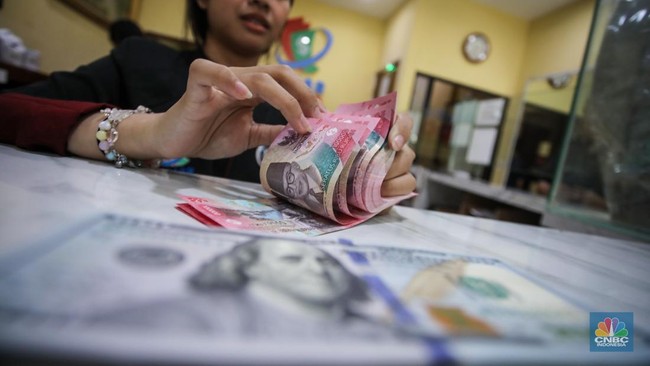
Jakarta – The rupiah exchange rate came under renewed pressure against the United States dollar at the opening of trade on Friday. Refinitiv data showed the rupiah opened 0.17 percent weaker at Rp18,050 per US dollar. The decline extended losses from the previous session. On Thursday, the Garuda currency closed 0.45 percent weaker at Rp18,020 per US dollar, marking its weakest level in history against the greenback. Meanwhile, the US Dollar Index, which measures the greenback against six major world currencies, was steady at 99.438 as of 09.00 Western Indonesia Time, after closing 0.12 percent lower in the prior session. The rupiah’s movements are expected to be influenced by the global direction of the dollar as markets react to escalating conflict in the Middle East. US President Donald Trump’s attempts to halt the war and broker a peace deal with Tehran have hit fresh obstacles. Iran-backed Hezbollah militia rejected a new ceasefire in Lebanon on Thursday, while Israel said it would not withdraw its forces from the country. Renewed tensions this week, including armed contact between Iranian and US forces, have kept Brent crude oil prices above US$90 per barrel. The oil price increase has supported the dollar through safe-haven demand flows. On the domestic front, Finance Minister Purbaya Yudhi Sadewa assessed that the rupiah’s movement around the Rp18,000 level remains under Bank Indonesia’s control. He confirmed the government has no plans to hold an unscheduled meeting of the Financial System Stability Committee outside its regular timetable to respond to the rupiah’s pressure. Bank Indonesia previously explained that the depreciation continues to be influenced by a mix of external and domestic factors. Senior Deputy Governor Destry Damayanti said the weakening is driven by escalated Middle East geopolitical tensions that hamper peace prospects, keeping oil prices high, raising global inflation risk and triggering capital outflows from emerging countries, alongside significant domestic demand linked to dividend repatriation and external debt payments.