
US Deploys 'Zeus-Challenging Monster' Typhon to Japan, China Alarmed
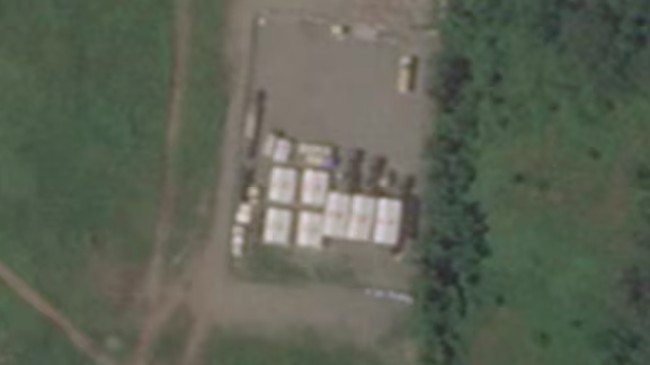
The United States has deployed the Typhon intermediate-range missile system to Kagoshima Prefecture, Japan. This marks the first time Washington has undertaken such a deployment as part of joint military exercises with the Japan Self-Defence Forces (SDF).
According to the Japan Times, the deployment of these missiles reflects the deepening defence cooperation between the US and Japan amidst heating security dynamics in the region. Japanese Defence Minister Shinjiro Koizumi stated that the temporary deployment of the Typhon missile system will strengthen the military readiness and operational capabilities of both nations.
“I believe that the temporary placement of these assets at SDF facilities and the execution of repeated joint training will not only enhance the rapid deployment capabilities of the US military but also improve Japan-US responsiveness and interoperability,” he said during a press conference last week, as reported by the Japan Times.
Etymologically, Typhon refers to the most terrifying monster in Greek mythology that once challenged the god Zeus. The name was chosen to convey an impression of immense power and destructive capability.
The Typhon system will be utilised in the Valiant Shield exercises, which run until 1 July, before being re-engaged in the Orient Shield exercises this coming September. Following the conclusion of these exercises, the system is scheduled to be moved to a US military base in Japan around mid-October.
“We have been informed by the US side that this is not a permanent deployment to Japan,” Koizumi clarified, emphasising that the deployment is not permanent.
China’s Anxiety
The arrival of the Typhon system immediately triggered a harsh reaction from China. Beijing assesses that the deployment of the missile system could disrupt regional stability and increase the risk of an arms race in East Asia.
“The deployment of Typhon, a strategic offensive weapon, will harm the legitimate security interests of other nations, threaten regional strategic security, and increase the risk of military confrontation and an arms race,” said Chinese Foreign Ministry spokesperson Guo Jiakun, describing the move as the latest example of Japan’s accelerating remilitarisation.
Typhon is an advanced missile launcher system capable of firing Tomahawk cruise missiles with a range of up to 1,600 kilometres. With this capability, parts of China fall within striking range if the system is stationed in Japan.
HIMARS
In addition to Typhon, the US is also reported to be deploying the High Mobility Artillery Rocket System (HIMARS) during these two military exercises. However, there is no agenda for live firing using either weapon system while stationed at Kanoya Air Base.
The deployment of these missiles is part of the US strategy to strengthen its military presence in Asia following the termination of the Intermediate-Range Nuclear Forces (INF) Treaty with Russia in 2019. Meanwhile, in recent years, Japan has also begun to relax defence policies that previously restricted the presence of long-range weapons within its territory.
China continues to enhance its own intermediate and long-range missile capabilities. According to the Pentagon, Beijing currently possesses approximately 1,850 intermediate to long-range ballistic missiles and about 300 land-based cruise missiles, which are assessed as potential threats to US and Japanese military bases in the event of a regional conflict.
Source: jawawa.id (https://jawawa.id/newsitem/us-deploys-zeus-challenging-monster-typhon-to-japan-china-alarmed-1782129124)
Originally published by CNBC Indonesia (https://www.cnbcindonesia.com/news/20260622144501-4-744639/as-kerahkan-monster-penantang-zeus-ke-jepang-china-cemas), translated from Indonesian