
US Democratic Party Divided Over Israel Support and Pro-Palestine Sentiment
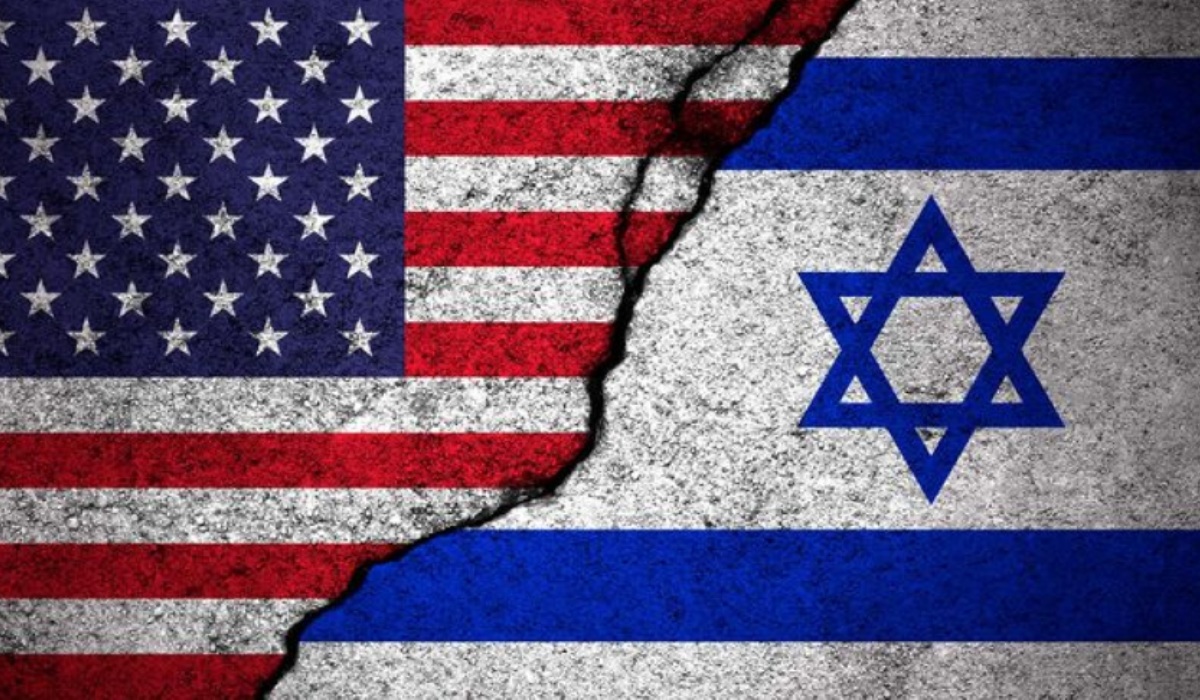
The US Democratic Party is now at a critical crossroads. At a recent leadership summit of the Jewish Democratic Council of America in Washington, senior party figures are cautiously navigating the major internal debate between traditional support for Israel and growing voter sympathy for Palestine.
Several politicians have warned that sharp criticism from the left towards Israel risks slipping into antisemitism, potentially alienating Jewish voters.
The bipartisan support for US-Israel relations, which has endured for decades, is now facing its toughest test. NBC News polls from early this year show 57% of Democratic voters hold negative views of Israel, a sharp rise from 35% in 2023.
Gallup polls have recorded a historic shift in two decades: for the first time, Americans—particularly Democrats and independents—are more sympathetic to Palestine than Israel. This shift is driven by deep dissatisfaction with Israel’s military campaign in Gaza and Prime Minister Benjamin Netanyahu’s ties to Donald Trump.
Former House Speaker Nancy Pelosi, speaking before a Jewish council, quoted Israeli poetry to stress that disagreements with Israeli political leaders should not weaken support for the nation. ‘I will not stay silent as my country changes its face,’ Pelosi said, implying that criticism of Netanyahu’s leadership is acceptable without compromising Israel’s security.
However, on the ground, challenges are becoming more apparent. Progressive groups continue to pressure candidates to take a firm stance. In Pennsylvania, legislator Chris Rabb stated that US taxpayer funds should not support what he called genocide and should instead be invested in domestic communities.
While top leaders like Chuck Schumer and Hakeem Jeffries remain steadfast in supporting Israel, grassroots pressure is beginning to influence policy. The number of Democratic senators voting to block certain arms sales to Israel is rising.
Halie Soifer, CEO of the Jewish Democratic Council of America, acknowledged frustration with Israel’s current right-wing government. ‘As American Jews, we are connected to Israel but disagree with the current extreme government policies,’ she explained.
Ahead of the 2026 elections, the Democratic Party must appeal to younger voters increasingly critical of US foreign policy while retaining traditional Jewish community support. Failure to balance these two poles could seriously threaten the party’s ambition to regain full control of Congress.
It is understandable that condemnation from global leaders follows. But is such criticism enough? Can Israel be pressured solely with words?
Deputy Chairman of Commission I of the House of Representatives, Budisatrio Djiwandono, praised Turkey, Egypt, and Jordan for their assistance in repatriating nine Indonesian citizens involved in the Global Sumud Flotilla 2.0 mission.
An Israeli airstrike in Gaza’s Al-Nuseirat camp killed a family while they slept, including a one-year-old baby, during a ceasefire.
The Trump administration is pursuing an agreement to open the Strait of Hormuz with Iran. Israel and Gulf states fear long-term security implications.
Foreign Minister Sugiono strongly condemned Israel’s actions towards Global Sumud Flotilla 2.0 volunteers and confirmed the safe return of nine Indonesian citizens.
Nine Indonesian volunteers from the Gaza Flotilla returned home with accounts of violence endured during their detention by Israel, calling for Palestinian support.
Gaza death toll has reached 72,783 as of 23 May 2026, with women and children forming the majority among casualties in an ongoing crisis.
The Israeli military intercepted Global Sumud Flotilla 2.0 in international waters. Three Indonesian journalists were detained, prompting the Press Council to urge diplomatic action.
The Israeli military is reported to have again acted unilaterally by hijacking the Global Sumud Flotilla (GSF) humanitarian fleet, which allegedly carried Indonesian volunteers.