
US Defence Secretary Orders Testosterone Checks for Troops Over 30
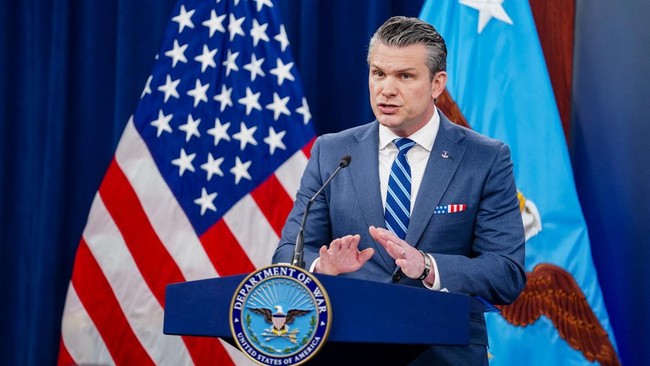
US Defence Secretary Pete Hegseth has announced a new policy requiring all American military personnel aged 30 and above to undergo mandatory annual testosterone level checks. The directive, delivered via a video message on platform X, will integrate the hormone screening into the existing periodic health assessments that service members already undergo. For those under 30, the check is optional. If low testosterone is detected, soldiers are free to choose whether or not to pursue medical treatment, such as testosterone replacement therapy. Hegseth stressed that the initiative is not about creating ‘super soldiers’ through artificial enhancement, but about preserving natural fitness. ‘This initiative is not about artificial enhancement. It’s about restoring and optimising your natural abilities, protecting your longevity, and ensuring you have the biological foundation needed to fight,’ he said. The issue has long been on the Pentagon’s radar, with the 2025 National Defence Authorisation Act already mandating the Defence Secretary to report to Congress on the military health system’s readiness to address low testosterone. The age threshold is based on data from the Mayo Clinic indicating that men’s testosterone levels naturally decline by about 1 per cent annually after the age of 30 or 40. The policy is the latest move by Hegseth, a former Fox News host and Army National Guard veteran, to overhaul military physical standards and restore a ‘warrior ethos’. He previously declared he did not want to see ‘bearded troops’ or ‘fat troops’ in the ranks. The announcement has sparked sharp criticism from Democratic politicians, who likened the policy to gender-affirming care, which Hegseth has opposed for transgender troops. Senator Tammy Duckworth remarked, ‘To me, this sounds an awful lot like gender-affirming care.’ Congresswoman Chrissy Houlahan accused Hegseth of taking direction from the ‘manosphere’. Both female politicians demanded the hormone checks not focus solely on men, urging that they be expanded to address high infertility rates among female military personnel, an issue they say has received insufficient attention.