
US Congress Report: 42 Military Aircraft Destroyed in the Iran War
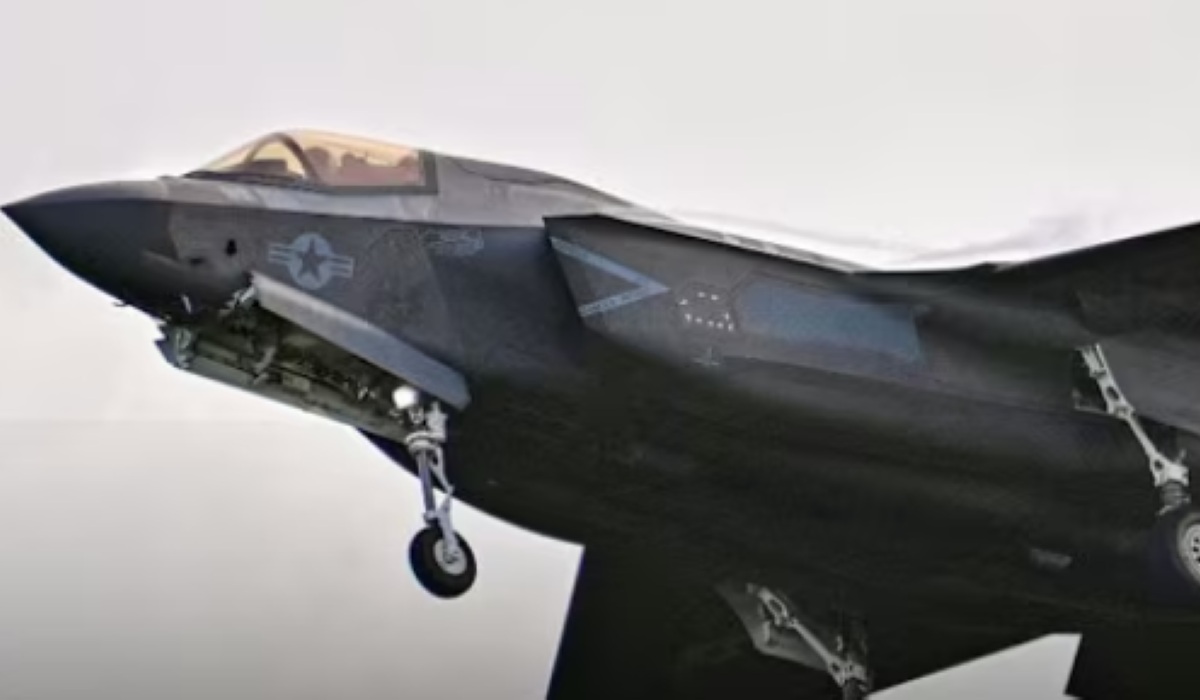
A recent report from the United States Congress reveals startling facts about material losses suffered by the U.S. military since the start of the war with Iran. In total, 42 aircraft were destroyed, including advanced fighter jets, reconnaissance planes, and drones. The losses resulted from a range of incidents, from direct combat to tragic friendly-fire incidents. The report details the types of aircraft that were lost, illustrating the scale of the conflict in the region. Some of the most prominent losses include: The Pentagon is said to have revised the total cost of repairs and replacements from US$25 billion to US$29 billion, or around Rp510 trillion. While the cost of physically replacing the aircraft is estimated at around US$7 billion, the actual valuation varies because several models are no longer in production. The war erupted after President Donald Trump launched an attack on 28 February that killed Iran’s Supreme Leader Ayatollah Ali Khamenei. This sparked regional unrest and Iran’s blockade of the Strait of Hormuz. Iran’s Foreign Minister Abbas Araghchi mocked the report, saying Congress had finally admitted billions in losses. He also claimed that Iran’s armed forces were the first to shoot down an F-35 fighter jet, long touted as a symbol of U.S. military prowess. Domestically, while President Trump insisted that the United States had won the war, the report put pressure on his administration’s approval rating. Congress is now evaluating whether the substantial losses reflect a shift in the foe’s capabilities or weaknesses in the survivability of U.S. aircraft in a highly contested combat environment. In addition to the air losses, a prior CNN investigation revealed that at least 16 American military sites in the Middle East had been damaged by Iranian strikes. The latest intelligence reports also indicate that Iran is rebuilding its military-industrial bases faster than anticipated, including resuming drone production and rebuilding damaged missile sites. (The Independent/I-2) Deeper regional tensions and sporadic statements from other leaders complicated the narrative, with various actors weighing in on the prospects for peace. The United States’ President has made overtures about direct discussions with Taiwan’s leader regarding weapons deals, while other statements and policy moves have raised questions about strategic priorities in the Strait of Hormuz. Some reports suggested potential halting of certain military operations in pursuit of a peace agreement with Iran, while others questioned whether war would end or flare up again. The President said there would be talks with the Chinese leadership and indicated that efforts to finalise a peace deal were ongoing, though he asserted that the U.S. military had neutralised Iran’s power within hours, while stopping short of an early withdrawal of troops. Iran’s Foreign Minister Seyed Abbas Araghchi mocked the American operation, titled Operation Epic Fury.