
US Commander Urges Additional Weapons to Target Deeply Buried Underground Bunkers
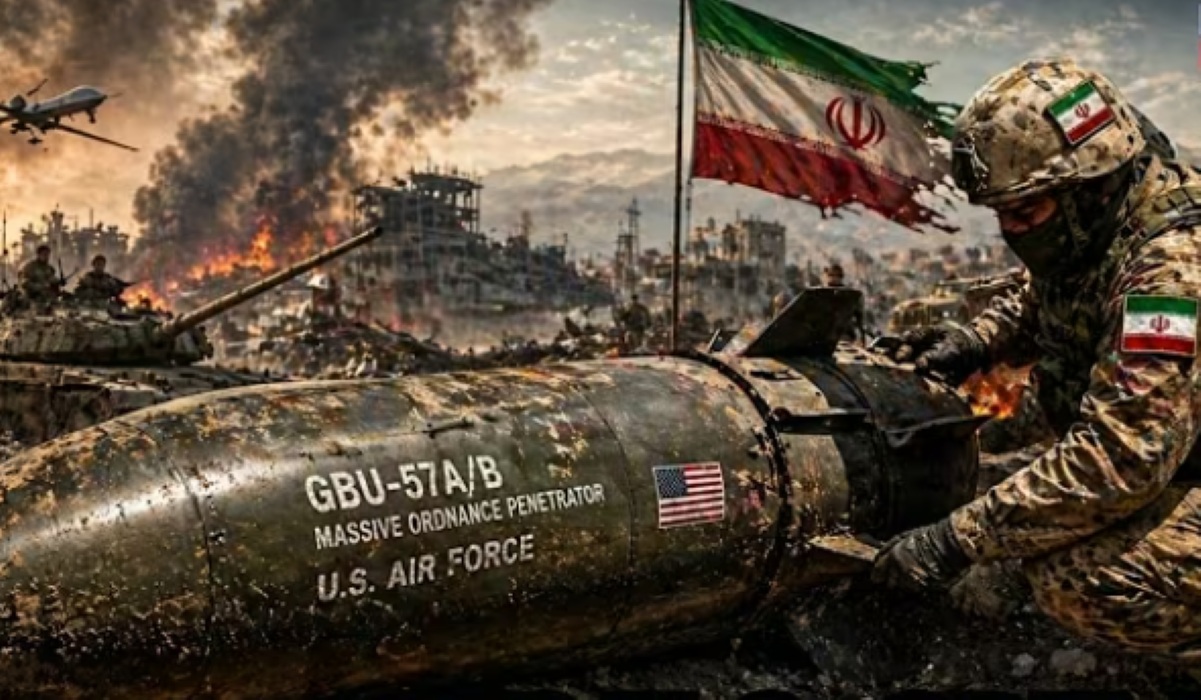
The highest-ranking United States commander overseeing forces in the Middle East, Admiral Brad Cooper, said there is an urgent need for additional specialised weapons to strike targets buried deep underground. This follows a trend among rival states to move strategic military infrastructure underground to avoid air strikes. In a hearing with the U.S. House of Representatives Armed Services Committee on Tuesday, 19 May, CENTCOM Commander Admiral Brad Cooper outlined a wish list of military capabilities he says are required. He emphasised three priorities: electronic warfare, advanced counter-UAS technology, and greater investment in hard and deeply buried targets destruction weapons. ‘Everyone is moving underground,’ Cooper told the committee, referring to opponents’ tactics to safeguard their most valuable assets. This concern is not unfounded. Last year the U.S. launched Operation Midnight Hammer, an airstrike operation targeting three Iranian nuclear facilities at Fordow, Natanz and Isfahan. In that operation, U.S. forces used the GBU-57 Massive Ordnance Penetrator (MOP) for the first time in combat. Fourteen units of the GBU-57 were dropped during the strikes. The bomb is one of the heaviest non-nuclear weapons in the U.S. arsenal, weighing up to 30,000 pounds (about 13.6 tonnes). At present, only the stealth bomber B-2 Spirit can carry the weapon internally. The GBU-57 is designed to penetrate to depths of up to 200 feet (about 60 metres) before detonation. However, its effectiveness depends on the hardness of the material struck, such as reinforced concrete used in Iranian nuclear facilities. Although the GBU-57 has proven effective, the United States Air Force is now developing a successor named the Next Generation Penetrator (NGP). The project has been assigned to Applied Research Associates with Boeing responsible for the tail kit development. The new-generation weapon is expected to have the following specifications: The article notes the weapon is expected to feature refined penetrator capabilities, but no detailed specs were provided in the report. The geopolitical situation in the region remains tense. Admiral Cooper also highlighted the success of Operation Epic Fury, which is claimed to have degraded Iran’s missile, drone, and defence-industrial base. However, the operation has left significant impacts, including the closure of the Strait of Hormuz for more than a month. President Donald Trump recently said he was within an hour of ordering a new strike against Iran, but aborted it due to progress in negotiations. Tehran warned it would escalate beyond the region if the United States and Israel proceed with military action. Trump hinted a deal could be reached within days but stated Iran must provide a response so that a new attack is not carried out. Iran warned of a harsh response to Trump’s threats, while world oil prices fell amid hopes for diplomacy involving Pakistan. Iran’s parliament is reportedly considering a US$58 million bounty to target Donald Trump and Benjamin Netanyahu in retaliation for the death of Ali Khamenei. President Trump has threatened to launch a new attack on Iran in coming days if peace talks do not reach an agreement. Netanyahu again discussed the possibility of a new war with Iran in two security-cabinet meetings after talks with President Trump.