
US–China Trade Improves, Beijing Accepts Limited Tariff Increase
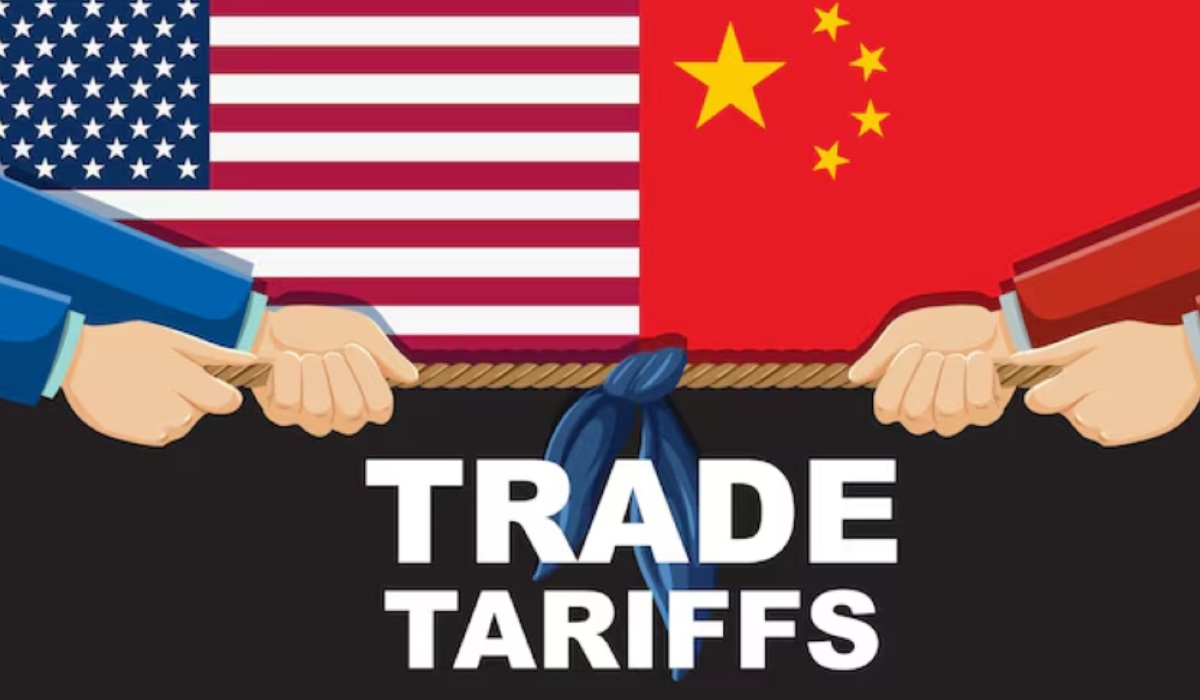
Relations between the world’s two largest economies, China and the United States, are showing increasing signs of stabilisation. The Chinese government has indicated its willingness to accept US tariff increases up to a level agreed last year, while continuing talks to extend the trade truce.
The Chinese Ministry of Commerce, in a statement on Wednesday (20 May 2026), said it hoped that the United States would honour its commitments. Beijing stressed that the level of US tariffs on Chinese goods should not exceed what was agreed in negotiations in Kuala Lumpur in October last year.
Trade teams from the two countries are currently discussing an extension of the one-year agreement that was formalised at the Busan Summit in South Korea. The pact includes the suspension of several tariffs, restrictions on rare earth minerals, and the termination of investigations into the Chinese shipbuilding industry until November this year.
The ministry’s comments offer cautious optimism that the truce in trade reached by President Xi Jinping and President Donald Trump will remain in effect. Although Trump’s visit to Beijing last week was marked by stern warnings on Taiwan, the two leaders agreed to foster a relationship centred on stability.
Despite positive signals, challenges remain. The Trump administration, via Treasury Secretary Scott Bessent, signalled the possibility of restoring tariffs through a Section 301 investigation in July. This would aim to restore tariffs to pre-decision levels before a Supreme Court ruling had reduced the effective tariff to around 21%.
Chinese Commerce Minister Wang Wentao had previously voiced serious concerns about the investigation. However, Beijing remained open to cooperation by sending a technical team to the US to inspect beef plants and to begin discussions on agricultural biotechnology.
The CSI 300 index finished the day broadly flat, erasing earlier losses, and closed virtually unchanged. Analysts from Bloomberg Economics, Chang Shu and David Qu, said that extending the truce and easing tariffs on goods worth US$30 billion would help stabilise China’s export prospects. They cautioned, however, that the global macro environment remains challenging due to rising inflation, a surge in bond yields, and a sharp decline in domestic demand. Notably, US agricultural exports to China fell sharply to US$8.3 billion in 2025 amid the trade dispute, well below the US$24 billion reached in 2024.
With this renewed commitment, both countries hope to create conditions conducive to expanding economic and trade cooperation in the future. (Bloomberg/I-2)
Major companies such as Nike and Costco face consumer lawsuits related to tariff refunds from the Trump era deemed unconstitutional.
The European Union is ready to activate trade instruments if Donald Trump raises tariffs on cars by 25%. See the US–EU trade tensions over steel and automotive sectors.
Audi warns of potential financial burden arising from Donald Trump’s plan to raise US tariffs on European cars from 15% to 25%.
The Trump administration has proposed a Golden Card Visa of US$5 million and tariffs to address the US debt of US$39 trillion. See the feasibility analysis and its impact.
CBO Director Phillip Swagel warns that US tariff policy and Supreme Court rulings could push the federal budget deficit up to US$1.1 trillion.