
US-China Taiwan tensions risk nuclear escalation, report warns
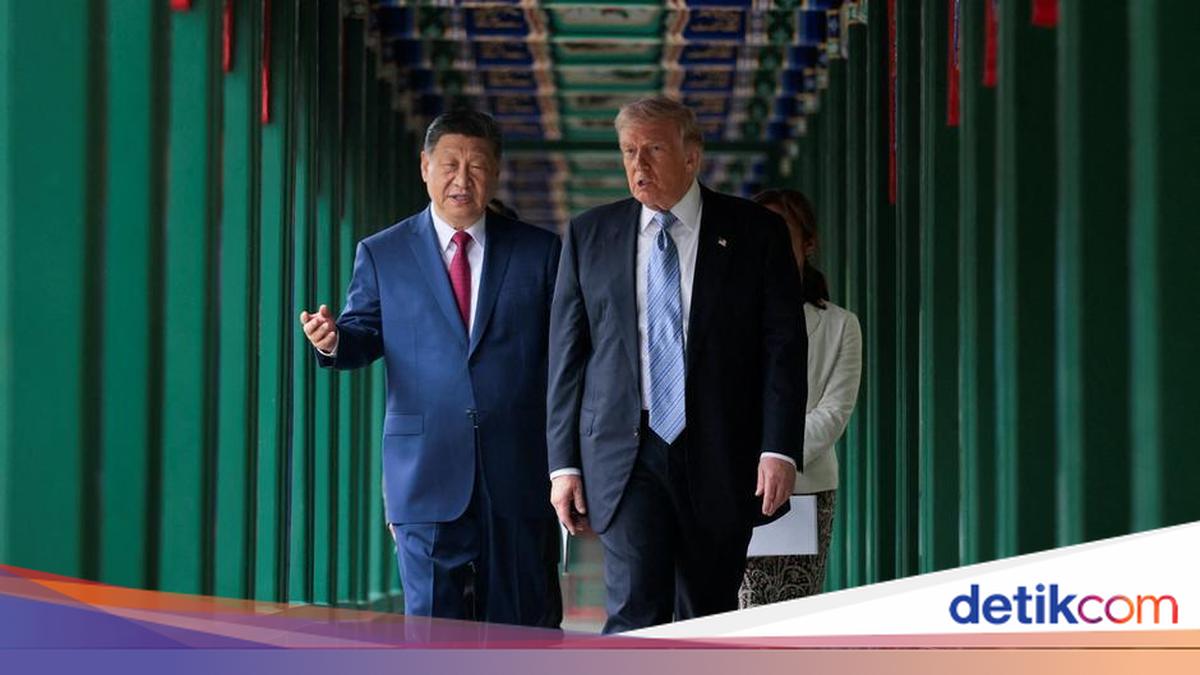
US-China tensions over Taiwan risk escalating into open nuclear conflict. In the worst-case scenario, both nations could launch large-scale military operations targeting each other’s command centres and communication systems, the International Institute for Strategic Studies (IISS) warned in a report released on Thursday, 28 May. The report comes ahead of this weekend’s Shangri-La Dialogue in Singapore, Asia’s premier security forum, which brings defence and military officials from multiple countries. The London-based think tank assessed that the world is on the brink of a new nuclear arms race, with the Asia-Pacific region as the primary theatre of competition. “Countries in the region, including those with strategic interests, are expanding their nuclear arsenals, while non-nuclear states are enhancing long-range conventional strike capabilities.Both developments undermine strategic stability,” IISS stated. The think tank emphasised that military upgrades in the region are no longer limited to conventional defence but are moving towards strategic offensive capabilities that could trigger broader escalation. Neither the US nor Chinese governments have formally responded to the report. Taiwan, the Iran conflict, and uncertainty over US commitment to the region are expected to be key topics at the Shangri-La Dialogue, running from 29-31 May. The informal conference will features defence ministers, generals, intelligence chiefs, diplomats, analysts, and defence industry executives. US Defence Secretary Pete Hegseth is scheduled to speak on Saturday (30 May), while China has not confirmed if Defence Minister DongJun will attend. The meeting follows a recent Beijing summit between Chinese President Xi Jinping and US President Donald Trump, which raised concerns in Taipei about US commitment to Taiwan’s defence. Beijing claims it never rules out taking Taiwan by force but prioritises ” peaceful reunification”. Taiwan’s government rejects China’s sovereignty claims. China is currently intensifying pressure on Taiwan by increasing its military presence around the island, keeping Taipei on high alert. The 156-page IISS report examines regional military doctrines and Taiwan conflict scenarios. US and Chinese forces are expected to have different objectives: China aims to repulse the US and allies, while the US seeks to strengthen Taiwan’s resilience.Both sides are likely to launch large-scale operations across multiple domains. “Conflict with China risks escalating to nuclear levels given Taiwan’s importance to Beijing,” the document states. “Currently, there is little public evidence that both militaries understand the necessary safeguards to prevent or limit attacks on each其他 command, control, communications, computers, intelligence, surveillance, and reconnaissance (C4ISR centres,” it adds. “Nuclear escalation risks will persist in any major US-China conflict.” IISS Senior researcher Daniel Salisbury said nuclear issues were not specifically addressed in the recent Trump-Xi meeting, and US-China nuclear relations remain complex. He noted that during the Cold War, the US had extensive arms control discussions with the Soviet Union, but engaging China would be harder due to its secretive nuclear arsenal. Despite this, the US and Russia still have far larger nuclear arsenals than China. US officials and arms control analysts say China is expanding and modernising its nuclear capabilities faster than any other nation. A Pentagon report in December estimated China will have 1,000 nuclear warheads by 2030. The Federation of American Scientists estimates Russia has 4,400 active warheads, the US 3,700, and China 620. Meanwhile, Taiwan awaits US approval for a reported $14 billion (£11.3 billion) arms deal. Trump stated he had not yet decided on the package after meeting Xi. US acting Navy secretary Hung Cao said on 21 May that the arms sale was delayed to ensure sufficient ammunition for Operation Epic Fury in Iran. sources said Trump would soon decide, but no update has been provided. “The sale requires years of processing and is unrelated to Operation Epic Fury,” a source said, reference the February US-Israel operation. “The US military has enough ammunition, weapons, and stockpiles to support all of President Trump’s strategic objectives and more.” The United States is bound by the Taiwan Relations Act of 1979 to help Taiwan maintain its self-defence capabilities, and…