
US Cancels Twin Dragons Military Exercise with South Korea, Why?
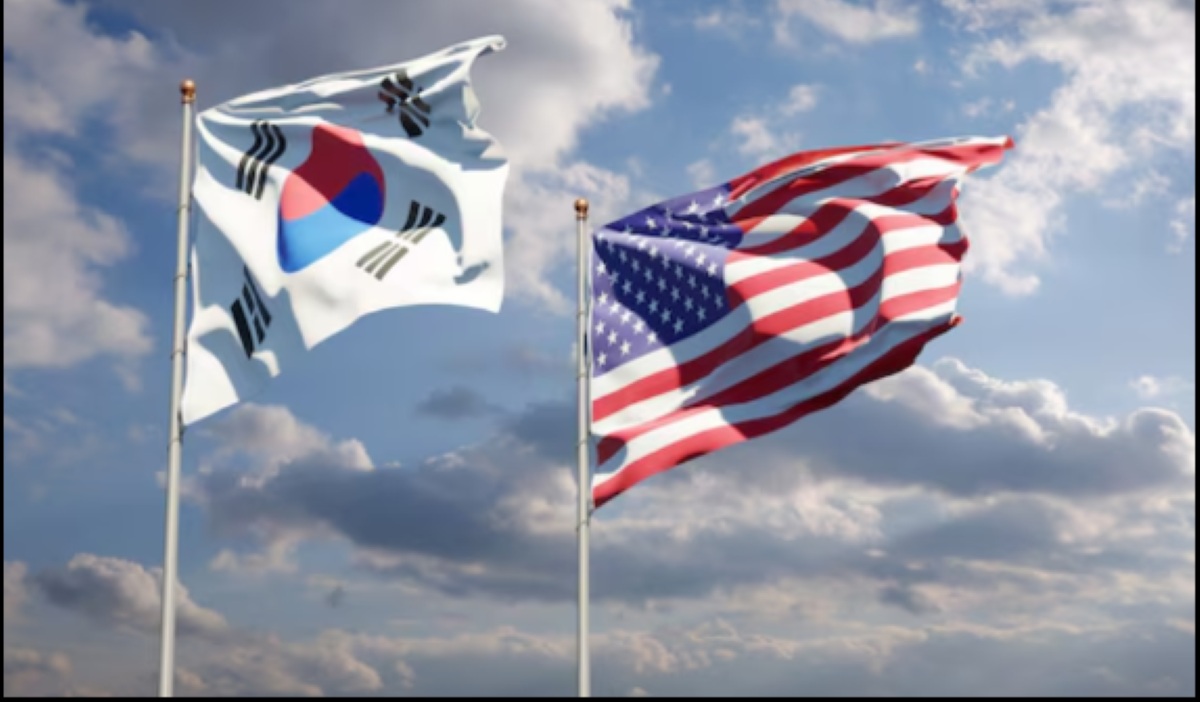
The United States has cancelled a large-scale amphibious exercise with South Korea scheduled for next month. The move is the latest withdrawal of US military assets from Asia following the outbreak of war in Iran.
The exercise, known as Twin Dragons, typically involves thousands of US and South Korean troops in simulated landings on a South Korean coastal city. In the past, the exercise involving the Marine Corps of both countries aimed to reassure allies of Washington’s commitment to the region.
The cancellation is the latest example of a shift in US military focus away from Asia. In March, more than 2,000 US Marines stationed in Japan were moved to the Middle East. In addition, the South Korean president publicly opposed the withdrawal of US air defence assets from his country this spring. The Pacific-based aircraft carrier USS George Washington also recently replaced the USS Abraham Lincoln in the Middle East after a deployment of more than 250 days.
Seoul’s military stated on Monday (24/8) that the Twin Dragons exercise had been officially cancelled. The US informed South Korea of the decision in June, citing demands in the Middle East. To date, US Forces Korea (USFK) has not provided official comment.
Prior to this cancellation, South Korea also experienced a sudden cut to the Ulchi Freedom Shield exercise this summer. That followed President Donald Trump’s order to end the exercise early. Trump called the joint exercise costly, inappropriate, and provocative towards North Korea.
Trump claimed that North Korea had behaved in a non-threatening and respectful manner during his second term. However, North Korea mocked the move and stated that reducing military exercises would not create goodwill between the two countries.
In Washington, both Democratic and Republican politicians have warned that withdrawing from the Ulchi Freedom Shield exercise risks damaging the alliance with South Korea. They urged that the exercise be restored. The training, originally scheduled to last 11 days, ended six days early last Friday.
The Twin Dragons exercise was previously halted in 2018 when Trump called for a reduction in the scale of similar exercises, before being resumed in 2023.
The following year, the joint exercise featured a large force involving more than 13,000 personnel, more than 20 naval vessels, 30 aircraft, and 40 amphibious assault vehicles. According to the US Navy, the exercise also included land-based operations designed to train capabilities in neutralising enemy forces.