
US-Canada trade war reignites, Canadian-built cars affected
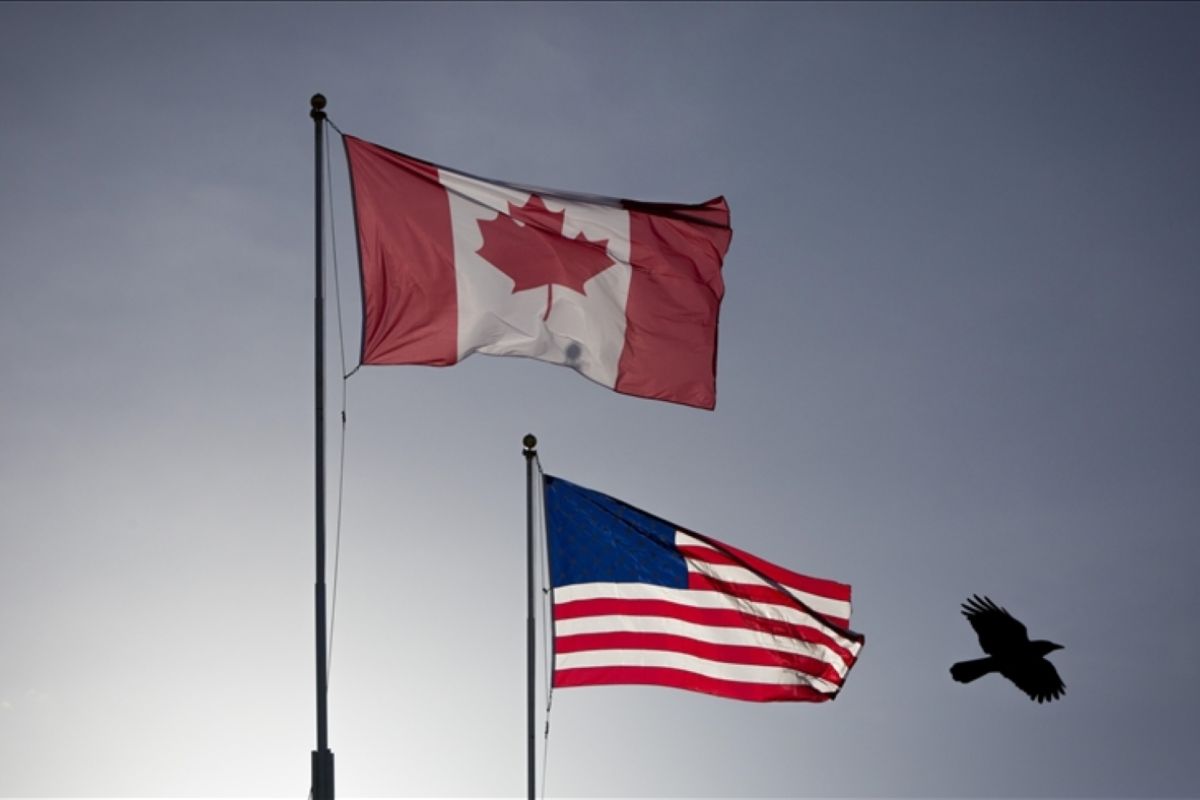
When the United States and Canada began showing signs of ending their tariff dispute, negotiations between the two countries instead collapsed once again, with the US subsequently imposing a 50 per cent tariff on C$20 billion worth of Canadian goods. In response, Canada said it would apply tariffs of the same magnitude, as reported by Carscoops on Monday local time.
The new tariffs on Canadian goods cover a range of products, from ice hockey equipment to dairy products, alcoholic beverages and flower bulbs. More importantly for the automotive industry, the breakdown in negotiations was reportedly partly caused by the failure of Washington and Ottawa to reach an agreement on the treatment of vehicles manufactured in Canada.
Canadian Prime Minister Mark Carney said US negotiators changed previously proposed terms at the last minute, including reducing tariff relief for Canadian-built vehicles. Washington has a different version of events. US Trade Representative Jamieson Greer claimed Canada made new demands and withdrew from previous commitments when a deal appeared to be nearly reached. Greer said the US had previously offered tariff reductions affecting the automotive, steel and lumber sectors.
Canada does not plan to remain silent as the new tariffs begin to take effect. Carney promised a dollar-for-dollar response, with retaliatory tariffs set to take effect on 8 September. Those tariffs will target a number of sectors, including steel, dairy products, household appliances, agricultural equipment, pulp and paper, and electronics.
For automotive manufacturers, another trade war is a highly undesirable situation. The US, Canada and Mexico have spent decades building a deeply integrated manufacturing network, with vehicles and components routinely crossing borders during the production process, in some cases multiple times. The latest dispute also raises difficult questions about the future of the United States-Mexico-Canada Agreement (USMCA) that links the three countries.
Carney accused the Trump administration of using economic integration as a weapon, while asserting that Canada will not sacrifice its sovereignty or its key industries, including the automotive industry, to reach a deal. Both sides are likely to return to the negotiating table before too long. However, until a deal is finally reached, car manufacturers need to prepare for significant tariff-related costs that could affect the prices consumers pay for new cars.
The impact on the automotive industry is a concern because the US and Canada have an integrated vehicle manufacturing network, with vehicles and components able to cross the border between the two countries during the production process. Car And Driver reported in July that vehicles produced in Canada include the Toyota RAV4, Honda Civic and CR-V, Lexus NX and RX, and Chevrolet Silverado. Differences over the treatment of Canadian-built vehicles were also one of the issues in the latest negotiations between the two countries.