
US and Saudi Arabia Strike Iran Proxies in Iraq
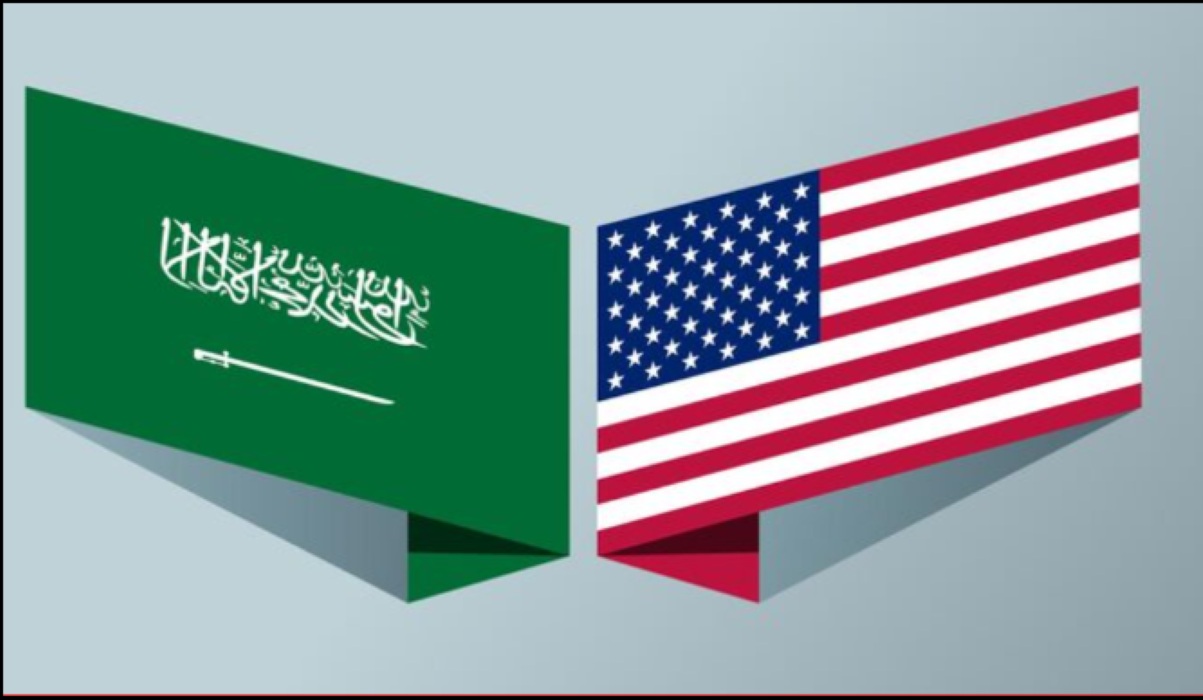
The United States and Saudi Arabia launched a joint military operation on Tuesday (28/7/2026), targeting Iranian proxy forces in Iraq. The strikes mark a significant escalation, representing Riyadh’s direct involvement in the ongoing conflict between Washington and Tehran.
US Central Command (Centcom) stated that the two nations struck several terrorist logistics and weapons sites across eastern Iraq. The operation was a response to more than 30 drone attacks directed by Iran’s Islamic Revolutionary Guard Corps (IRGC) in recent days. The Saudi military issued a brief statement acknowledging their participation but provided no further details. There has been no official response from the Iranian government.
Earlier on the same day, Centcom reported that US forces in the Middle East successfully intercepted several ballistic missiles launched by Iran. Military officials described the incident as an attempted surprise attack on American personnel in the region. While the exact location of the interception was not disclosed, the military confirmed the operation was successful.
These developments threaten to unravel a pause in hostilities previously sought by President Donald Trump to advance stalled peace negotiations. The events signal a potential expansion of the five-month-long war, although it remains unclear if the Iranian missile attack and the joint US-Saudi operation are directly linked.
Mark Cancian, a senior advisor at the Center for Strategic and International Studies (CSIS), described the Saudi role as a major step for Riyadh. “They have lost patience and taken a step they have long been reluctant to take, which is to directly attack another Arab organisation,” Cancian said. He added that the involvement could signal Saudi Arabia’s willingness to allow the United States to use military bases on its territory for direct strikes against Iran or operations in the Strait of Hormuz.
Despite repeated rounds of negotiations, Washington and Tehran have failed to reach an agreement regarding access to the Strait of Hormuz, a vital waterway for Middle Eastern oil shipments. Last week, the Iran-backed Houthi group in Yemen announced a blockade of Saudi oil shipments in the Red Sea. This Houthi escalation has compounded the economic turmoil caused by Iran’s closure of the strait. According to an analysis by the Institute for the Study of War, Saudi Arabia has also recently struck Houthi sites in Yemen in an effort to weaken the group’s ability to exert regional pressure.
Anna Jacobs, a researcher at the Arab Gulf States Institute, suggested Riyadh’s involvement aims to restore deterrence. However, she stressed that diplomacy remains central to Saudi strategy in managing regional security. “I see the Saudi strikes in Yemen and Iraq as still relatively measured, more as a message to Iran and its armed proxies,” Jacobs said.
The conflict reignited after President Trump announced the start of a war with Iran on 28 February, which was declared over in May following a ceasefire. However, hostilities fully resumed on 7 July. To date, 18 American service members have been killed and over 600 wounded in the conflict. Four US soldiers have died this month since fighting resumed, including three personnel killed on 17 July in a ballistic missile attack on a base in Jordan.