
US and Iran Temporary Ceasefire: What Are the Impacts on Israel and What Is Happening Now?
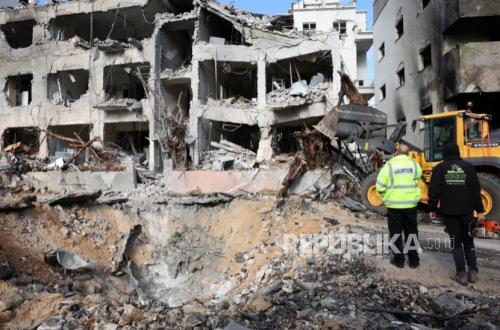
REPUBLIKA.CO.ID, TEL AVIV— The impact of the announcement of a temporary ceasefire between the United States and Iran is beginning to be felt in Israel, amid sharp political divisions and unprecedented criticism against Prime Minister Benjamin Netanyahu. Netanyahu is now facing a complex situation that combines pressure from Washington and challenges on the ground, particularly on the Lebanese front. Washington previously announced a suspension of attacks against Iran for two weeks to provide space for negotiations supported by Netanyahu. They emphasised that the ceasefire does not include Lebanon, a position that contradicts regional leaks suggesting the agreement covers various fronts, including the Lebanese front. From Ramallah, Al Jazeera Office Director Walid Al-Omari stated that the Israeli political stage is experiencing mobilisation against Netanyahu, where his allies are not immediately defending him. Meanwhile, criticism from the opposition and former generals is intensifying, who view his decisions as a “squandering” of what the army has achieved during the war. These criticisms indicate that Netanyahu’s firmness in excluding Lebanon from the ceasefire may be a deliberate attempt to derail the negotiation process. This is similar to previous experiences in Gaza and Iran, according to what Al-Omari conveyed from a former official in Israel’s National Security Council. The northern region military command has informed local authority heads that the ceasefire does not include Lebanon, and called for continued adherence to protection procedures, given that Israeli attacks on Lebanese territory are still ongoing.