
US and Iran Remain at Odds
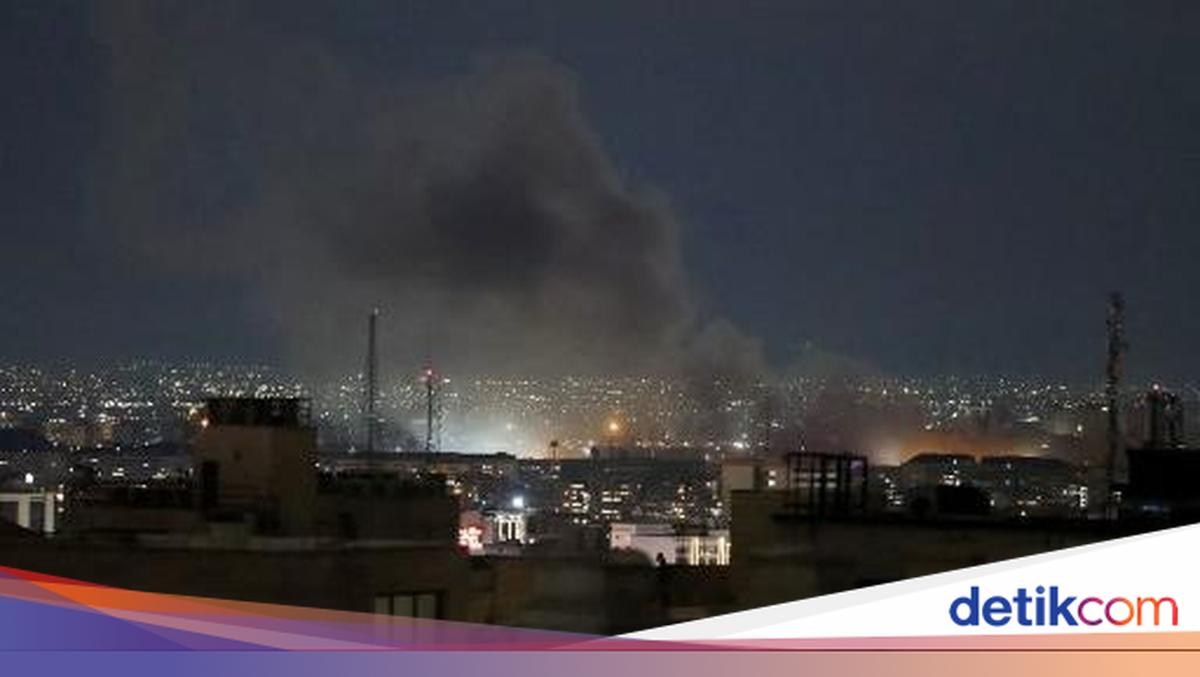
The United States and Iran remain in a state of conflict, with both nations continuing to issue mutual threats. According to reports, the US and Israel launched military strikes against Iran on 28 February 2026, resulting in at least 3,468 deaths in Iran, including the Supreme Leader, Ayatollah Ali Khamenei. Iran responded with missile and drone attacks targeting Israel, US forces, and various US facilities across the Arabian Peninsula.
While a Pakistan-facilitated ceasefire was briefly established, negotiations have failed to produce a lasting agreement, leaving the ceasefire at a critical breaking point. Iran has proposed new terms for negotiations, which US President Donald Trump has rejected, while US demands have also been rebuffed by Tehran. Currently, both nations are conducting blockades against vessels attempting to traverse the Strait of Hormuit, leading to ongoing hostilities.
Iran has threatened to turn the Gulf of Oman, located near the Strait of Hormuz, into a ‘graveyard for US ships’ if Washington does not immediately end its maritime blockade. Major General Mohsen Rezaei, a senior military advisor to Iran’s leadership, stated that the US should withdraw militarily before the situation escalates. He emphasised that Iran’s restraint should not be mistaken for acceptance of pressure, asserting that the US no longer has a justification for its military presence in the region, noting that the era of countering the Soviet Union has passed.
Rezaei maintained that while the Strait of Hormuz remains open for legitimate trade, it will be closed to any military deployments or efforts to destabilise regional security.
Conversely, President Trump has issued his own ultimatum, warning on his Truth Social platform that ‘time is running out’ for Iran and that ‘nothing will be left of them’ if a peace deal is not reached promptly. Reports indicate that Trump is scheduled to meet with his national security team at the White House to discuss military options regarding Iran. While Trump seeks an agreement to end the war, Iran’s refusal to make significant concessions regarding its nuclear programme has brought military options back to the table. Trump also reportedly discussed potential military actions with Israeli Prime Minister Benjamin Netanyahu.
Iranian state-affiliated media claim that the US has failed to offer concrete concessions regarding Iran’s proposed negotiation agenda. Washington has set five primary conditions for a deal, including restrictions on Tehran’s nuclear facilities and the handover of Iranian uranium to the US. Specifically, reports suggest Washington demands that only one Iranian nuclear facility remains operational, alongside demands for the transfer of 400kg of uranium, the withholding of 25% of frozen Iranian assets, and a refusal to pay war reparations.
In response, Tehran has proposed five conditions for peace: an end to hostilities on all fronts (particularly in Lebanon), the lifting of sanctions, the release of frozen Iranian assets, compensation for war damages, and the recognition of Iran’s sovereign rights over the Strait of Hormuz.