
US and Iran Exchange Attacks, Israel Strikes Lebanon as Ceasefire Threatened
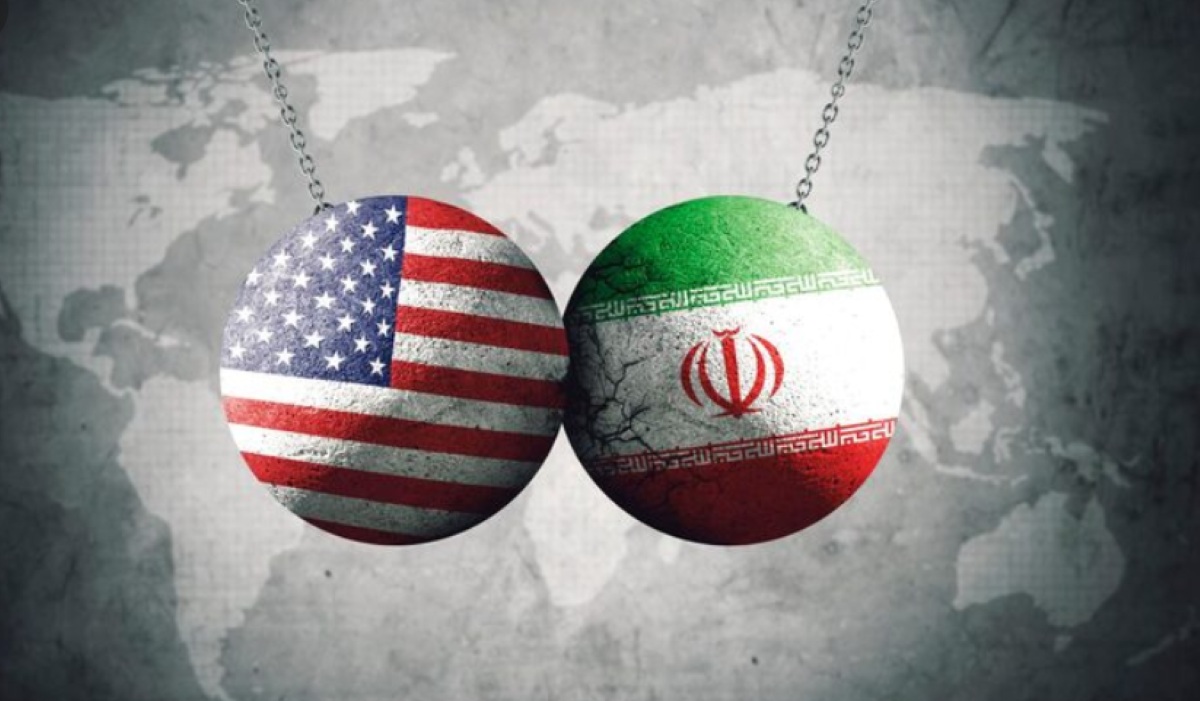
Relations between the United States and Iran have reached a new low after the two nations exchanged attacks on Thursday (28 May). The incident marks the most serious clash since the ceasefire began in April, threatening negotiations to end the war and reopen the vital Strait of Hormuz for global energy supplies.
Escalation in Bandar Abbas and Kuwait’s Involvement
The clash began when Iranian forces fired at four vessels attempting to cross the Strait of Hormuz. In response, US forces attacked a land-based control station at Bandar Abbas port in southern Iran. Iran’s Revolutionary Guards retaliated by targeting what they deemed the US airbase responsible for the initial strike.
Kuwait, a US ally hosting American troops, was also drawn into the incident. The Kuwaiti government stated its air defences actively responded to incoming fire entering its territory.
Trump’s Harsh Threat to Oman
Amid military tensions, US President Donald Trump made controversial remarks about control of the Strait of Hormuz. He rejected a short-term arrangement involving Oman and Iran to manage the waterway.
“The strait will be open to all. It is international waters and Oman must act like the others or we will blow them up,” Trump declared. This statement drew condemnation from Iranian Foreign Ministry spokesperson Esmaeil Baqaei, who called it intimidation in international relations.
Lebanon Front Heats Up
The situation grew more complex with escalating violence in Lebanon. The Israeli military announced new attacks on Hezbollah infrastructure around Tyre and designated the southern Zahrani River area as a combat zone, forcing thousands of civilians to flee during Eid al-Adha celebrations.
Lebanon’s Ministry of Health reported that total fatalities since the war began on 2 March have reached 3,269. Iran has stressed that any future peace deal must include an end to the conflict in Lebanon.
Uncertain Negotiation Future
Despite both sides stating they do not wish to return to open warfare, the mutual attacks highlight the fragility of the current ceasefire. For civilians in Tehran, this uncertainty has become a daily burden.
“I feel nothing is certain. Our daily question is: will there be a missile attack tonight?” said Amir, a software developer in Tehran.
The US continues to pressure Iran economically, including recent sanctions by the US Department of the Treasury against Iran’s Strait of Hormuz Authority, a new Tehran entity that charges fees for ships passing through the strait.