
US and Iran Exchange Attacks as Indonesia Calls for Dialogue
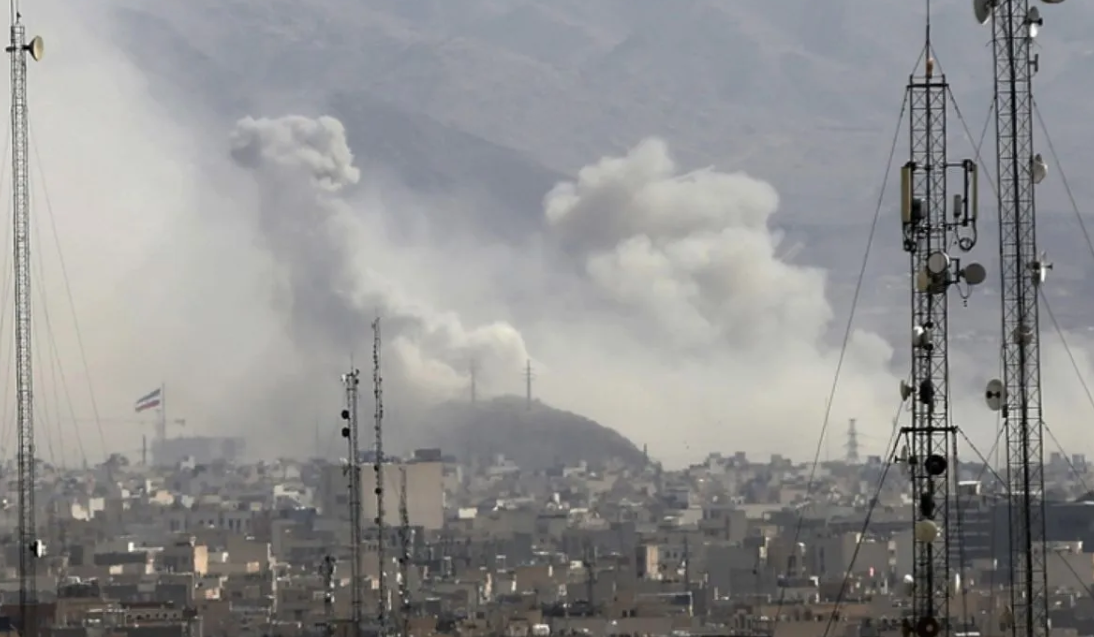
Indonesia has expressed readiness to mediate dialogue between the United States and Iran to ease rapidly escalating tensions in the Middle East. The Indonesian Foreign Ministry stated its willingness to engage directly if both parties agree to the initiative.
“Indonesia urges all parties to exercise restraint and prioritise dialogue and diplomacy,” the Foreign Ministry stated via social media on Saturday (28 February).
“The Indonesian Government expresses its readiness to facilitate dialogue to restore conducive security conditions and, should both parties agree, President Prabowo Subianto is prepared to travel to Tehran to conduct mediation.”
The statement came after Iran launched retaliatory missile strikes that struck several Gulf capital cities, including Riyadh, Abu Dhabi, Dubai, Doha, and Manama. The attack was in response to US-Israeli air strikes that have raised concerns about a broader regional conflict.
Explosions were heard across various cities, whilst smoke was observed rising from the Juffair area in Bahrain, home to a major US Naval base. The United Arab Emirates Defence Ministry reported one civilian death in Abu Dhabi from falling debris.
Oil and gas-rich Gulf nations, including Saudi Arabia, Qatar, and the United Arab Emirates, are long-standing US allies hosting various American military facilities.
Qatar’s Defence Ministry stated its air defence systems successfully intercepted several missiles. An AFP journalist witnessed interceptor missiles destroying one missile in the air.
The United Arab Emirates condemned the strikes, describing them as a dangerous escalation.
“The UAE today became a target of direct attacks by Iranian ballistic missiles,” the UAE Defence Ministry stated, as cited by AFP.
“UAE air defences responded with high efficiency and successfully intercepted several missiles.”
Saudi Arabia also strongly condemned the attacks. A Lebanese resident living in Riyadh described the panic felt.
“I heard explosions, I don’t know what I was feeling,” they said.
“We came to the Gulf because it was known to be safer than Lebanon. Now I don’t know what to do or how to think.”
The conflict escalation intensified dramatically after the United States and Israel launched major waves of air strikes on Iranian territory on Saturday (28 February). The operation triggered rapid retaliation from Tehran targeting US military bases and Gulf nation territories.
According to reports, the strikes specifically targeted key figures in Iran’s power structure.
“Iran’s Supreme Leader Khamenei and President Masoud Pezeshkian were among the targets of the strikes,” according to reports cited by AFP.
Additionally, Ali Shamkhani, an adviser to the supreme leader and former Iranian Defence Minister, was reportedly targeted, though the results of attacks on these officials remain uncertain.
An Israeli security source stated the operation aimed to weaken threats to Israel.
“In our opening strike, we targeted high-profile targets, individuals involved in plans to destroy Israel,” the source said.
The escalation has triggered concerns about the outbreak of large-scale open conflict in the Middle East. The European Union has begun evacuating non-essential personnel from the region as a precautionary measure against potential deterioration of the security situation.
President Prabowo Subianto expressed readiness to travel to Tehran to mediate the Iran-US conflict.
Military operations targeting civilian locations and vital infrastructure in Tehran have been suspected of placing Supreme Leader Ayatollah Ali Khamenei as a primary target.
The Embassy of the Islamic Republic of Iran in Jakarta formally strongly condemned the action, which it deemed a clear violation of its national sovereignty.
US President Donald Trump responded to Iran’s retaliatory attack on the American military base in Qatar on Monday (23 June) evening.
Qatar’s air defence system claimed success in intercepting six missiles fired by Iran at the American military base Al Udeid. The American military base is located in Qatar.