
US and Iran Contradict Each Other, Peace Remains Distant
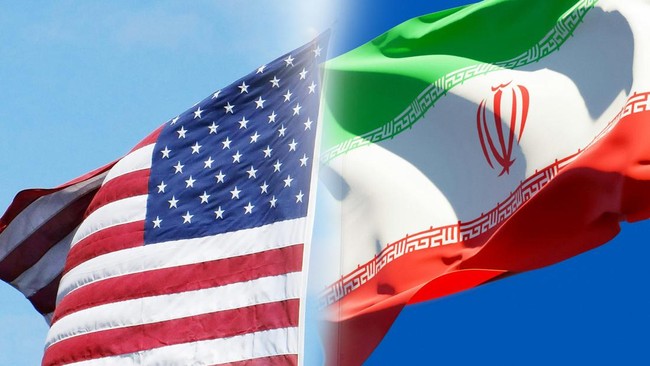
The United States and Iran face a deadline of less than 60 days to reach a permanent peace agreement intended to end hostilities and resolve the dispute over Tehran’s nuclear programme. However, as the deadline approaches, the two countries remain at odds over the implementation of a temporary agreement reached this month. The differences are evident in their conflicting statements regarding the continuation of negotiations. Washington claims talks will soon take place in Qatar, while Tehran insists there is no agenda for negotiations with the US in the near future. Amid this uncertainty, several key issues remain unresolved. Arrangements for shipping in the Strait of Hormuz, the future of Iran’s stockpile of highly enriched uranium, and the ongoing conflict in Lebanon all overshadow efforts to reach a permanent peace deal. A senior Iranian negotiator, Kazem Gharibabadi, acknowledged the diplomatic process is in a complicated situation. ‘The situation is sensitive and complex,’ Gharibabadi wrote on the platform X on Monday.
President Donald Trump stated that Iran had requested a new meeting. ‘Iran has asked for a meeting. That meeting will take place tomorrow in Doha!’ Trump wrote via social media on Monday. However, the Iranian government immediately denied the statement. Iranian Foreign Ministry spokesman Esmail Baghaei asserted that no negotiations were scheduled. ‘No negotiating meeting with the American side at any level is scheduled for the coming days,’ he said. Despite this, both countries still aim to reach a permanent peace agreement around mid-August. The agreement is also expected to include a resolution to the dispute over Iran’s nuclear programme, which has long been a major source of tension. Before high-level talks resume, technical discussions involving lower-level diplomats are expected to take place first. Pakistan, which alongside Qatar serves as a key mediator in the diplomatic process, stated that talks would resume on Tuesday. Meanwhile, White House Press Secretary Karoline Leavitt told Fox News that US special envoy Steve Witkoff, along with Jared Kushner, was heading to Qatar to meet the Iranian delegation. She noted that technical negotiations would also occur on the sidelines of the meeting. Hours later, Iranian state media quoted Baghaei saying that a delegation of Iranian experts would travel to Qatar this week, but he maintained there was no agenda to meet with US officials.
The path to a permanent agreement remains long as substantial issues are yet to be resolved. Beyond discussions on the Strait of Hormuz, the two countries must still negotiate sanctions waivers for Iran and the future of Iran’s stockpile of highly enriched uranium. The interim agreement also requires a halt to all fighting before further negotiations can proceed. However, after exchanging attacks over the weekend, Iran threatened a ‘total halt’ to the negotiation process on Sunday. By Monday, the situation appeared to calm as both sides ceased their attacks, though Tehran seemed to be waiting to see if the cessation of hostilities would hold. The Strait of Hormuz remains a particularly difficult flashpoint. Under the interim deal, the international waterway was supposed to be reopened for commercial shipping. Iran, however, maintains that management of the strait falls under its authority. ‘Any attempt to create new or separate arrangements from the current mechanism run by the Islamic Republic of Iran will only create further complications, delay the reopening of the Strait of Hormuz, and increase the level of tensions,’ said Iranian Foreign Minister Abbas Araghchi. A US official, speaking on condition of anonymity, said the Trump administration believes both countries are now de-escalating tensions, allowing ships to transit freely through the Strait of Hormuz again. Although shipping activity has begun to recover, the number of vessels transiting remains below pre-war conditions. Further obstacles stem from Lebanon, where Iran insists all fighting must stop and Israel must withdraw all its forces before other issues can be discussed.