
US and Iran Continue Hostilities Amid Stalled Peace Talks
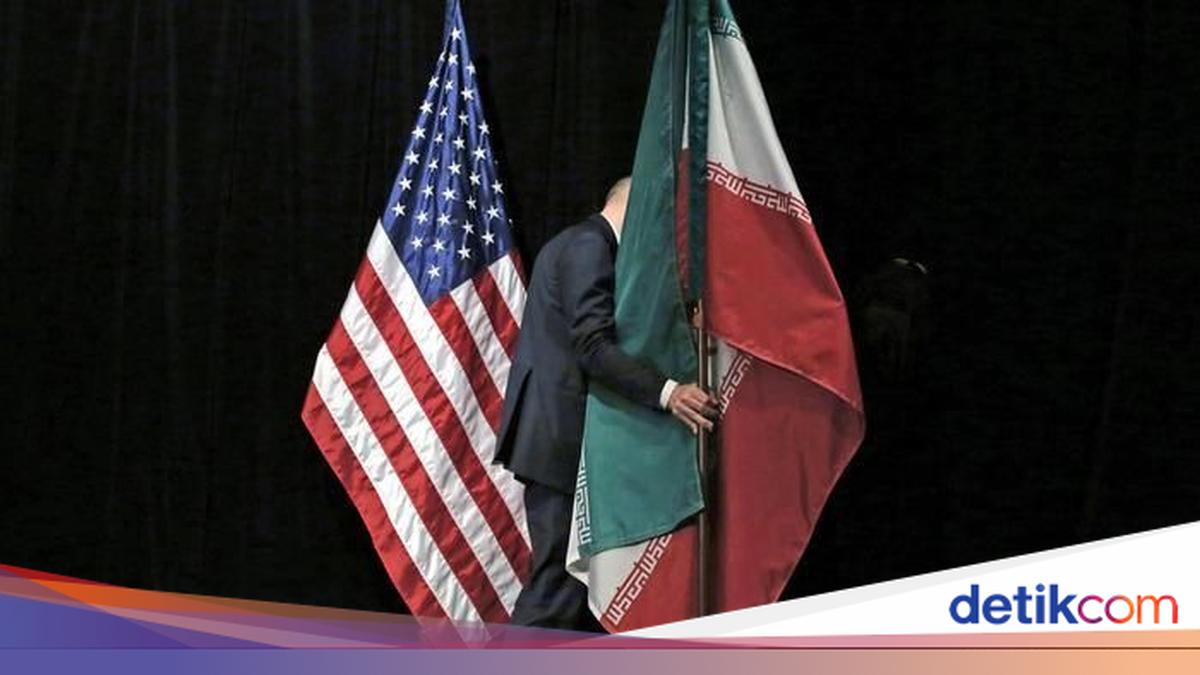
US-Iran tensions show no sign of abating as both sides continue to exchange attacks with no clear breakthrough in peace talks. The US-Iran war erupted on 28 February 2026, following a joint US-Israel attack on Iran’s military infrastructure which resulted in the death of Iran’s Supreme Leader, Ayatollah Ali Khamenei. Three months of mutual attacks have passed, with high-level peace talks initiated in Islamabad, Pakistan, on Saturday (11 April), yet no resolution has been reached. Ceasefire attempts have been made, and peace negotiations have been repeatedly resumed, but a mutual agreement remains elusive to date. Negotiations have been fraught with difficulty, as both sides remain entrenched in their respective demands. The month-long negotiation process has been marked by hardline diplomacy, mutual threats, and unavoidable retaliatory strikes. Iran’s chief negotiator, Mohammad Bagher Ghalibaf, warned that the US cannot be trusted, stating Tehran would not agree to any deal with Washington until Iran’s citizens’ rights are fully guaranteed. “We will not approve any agreement until we are certain that the rights of Iran’s people have been upheld,” Ghalibaf stated in a video broadcast by Iranian state television, according to AFP on Monday (1 June 2026). Ghalibaf, who also serves as Iran’s parliament speaker, added that Iranian negotiators “do not trust the enemy’s words or promises”. The statement came after US media outlets, including the New York Times (NYT) and Axios, reported on Saturday (30 May) that US President Donald Trump had sent a revised version of the proposed peace framework with “tougher” conditions for Iran to consider. Details of Trump’s revisions to the proposed deal remain unclear. Iran views the lifting of sanctions and the release of its frozen assets abroad as among the key rights that must be guaranteed in any agreement with the US. Tehran insists it needs the release of its frozen assets, estimated at $12 billion (£9.6 billion), before engaging in substantive nuclear programme talks. Meanwhile, Trump stated his priorities include preventing Iran from developing nuclear weapons and reopening the strategic Strait of Hormuz shipping lane, which Iran effectively closed after the war began in late February. As reported by Anadolu Agency on Monday (1 June), Trump reiterated this in a recent statement on his Truth Social account on Sunday (31 May). He asserted the proposed deal “clearly states that Iran will not have nuclear weapons”. Trump’s statement appears to respond to a report by major US media, CNN, which claimed the proposed deal’s framework did not adequately address nuclear issues — a characterisation he strongly rejected. “Subsequently, it goes into great detail and length on various aspects of nuclear issues. In fact, that is the bulk of the agreement,” Trump said in his statement. He also criticised several media outlets for misrepresenting the proposed deal’s contents, repeatedly stating that any future agreement with Tehran must include guarantees preventing Iran from developing or acquiring nuclear weapons. The US Central Command (CENTCOM) announced it had struck Iranian radar and drone command centres in Goruk and Qeshm Island, claiming the latest attack was a “defensive strike”. “The US Central Command launched a defensive strike against Iranian radar and drone command and control sites in Goruk, Iran, and Qeshm Island over the weekend,” CENTCOM stated in a social media X post on Sunday (31 May). CENTCOM said the attack was in response to Iranian forces shooting down a US MQ-1 drone. According to CENTCOM, US fighter jets swiftly responded by targeting and destroying Iran’s air defence systems, ground control stations, and two one-way attack drones deemed a “real threat” to ships in the regional waters. “This measured and deliberate attack occurred on Saturday (30 May) and Sunday (31 May) in response to Iranian aggression, including the downing of a US MQ-1 drone operating over international waters,” CENTCOM stated. CENTCOM stated no US military personnel were injured, and reaffirmed its commitment to protecting US assets and interests in the region “in response to Iran’s unjustified aggression during the ongoing ceasefire”. On the other side, Iran’s Islamic Revolutionary Guard Corps (IRGC) said its forces targeted a US airbase used to attack Iranian territory on Monday (1 June) morning, claiming all designated targets were destroyed in the retaliatory strike. As reported by AFP and Anadolu Agency, IRGC did not specify the location of the US airbase targeted in its statement, which was broadcast by IRIB television and other Iranian state media. However, IRGC’s statement was released after Kuwait’s military announced its air defence systems had intercepted “enemy missiles and drones”. The US is known to have military bases in various Gulf nations, including Kuwait. IRGC, in a statement cited by Mehr News Agency, said their Air Force targeted and destroyed