
US Allows Russian Tanker to Deliver Oil to Cuba Amid Blockade
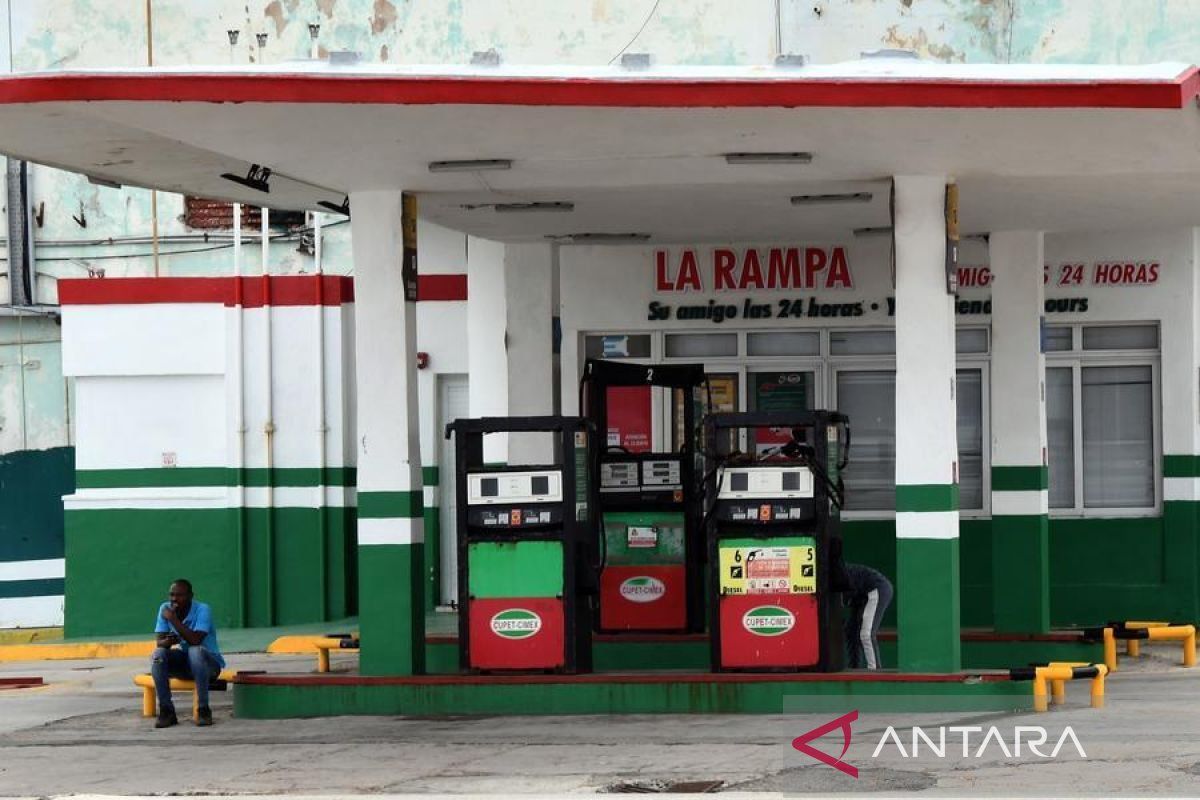
Houston, US (ANTARA) - The United States has allowed a Russian tanker to deliver crude oil to Cuba amid an energy blockade that has lasted for months against the Caribbean nation, the New York Times (NYT) reported on Sunday (29/3). The tanker, carrying around 730,000 barrels of crude oil, is expected to dock at the Matanzas oil terminal in Cuba on Tuesday. The report states that this oil shipment could support Cuba’s energy needs for several weeks before its fuel reserves run out. It is also mentioned that the oil supply will reduce pressure on the Cuban government, which is facing an economic collapse. In January, the US government imposed an oil blockade on Cuba, while threatening countries that send fuel to the nation. In one incident, the US even expelled a tanker heading to Cuba. However, in this latest case, there was no order to stop the Russian tanker. According to the NYT report, the US Coast Guard has two patrol ships in Cuban waters that could intercept the Russian tanker, but this was not done. The US oil blockade has worsened conditions in Cuba, causing power outages, fuel shortages, price surges, and deteriorating healthcare services. The UN has criticised the US policy and deemed the measure to be causing a humanitarian crisis in Cuba. Amid this situation, US President Donald Trump is reported to want to overthrow Cuban President Miguel Diaz-Canel. Trump even stated that he had the “honour of taking over Cuba” and hinted at using military force against the country after a war against Iran. US Secretary of State Marco Rubio also emphasised the need for change in Cuba’s government system as part of economic reform. “Cuba’s economy needs to change, and their economy cannot change unless their government system changes,” he said in a statement. Meanwhile, the Cuban government has expressed its readiness to face the United States. “Our military is always ready and, in fact, is currently preparing for the possibility of military aggression,” Cuban Deputy Foreign Minister Carlos Fernandez de Cossio told NBC News. Nevertheless, de Cossio expressed hope that this would not happen.