
US Allows Russian Tanker to Breach Blockade and Deliver Oil to Cuba, Why?
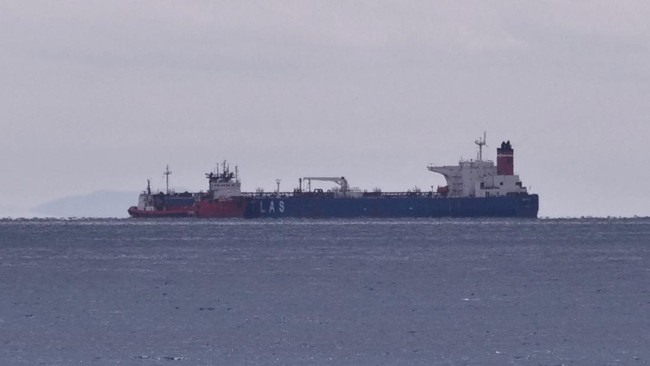
A Russian oil tanker under US sanctions is scheduled to arrive in Cuba on Tuesday (31/3/2026), amid the de facto fuel blockade imposed by Washington on the communist nation facing an energy crisis. This shipment could offer temporary respite to Cuba’s strained electricity system and economy.
According to MarineTraffic shipping tracking data, the tanker named Anatoly Kolodkin, carrying around 730,000 barrels of crude oil, was detected off Cuba’s eastern tip on Sunday. The vessel is travelling at 12 knots and is expected to reach the western port of Matanzas on Tuesday, later than the previous estimate of Monday.
If it arrives on schedule, this will be the first oil delivery to Cuba since January, providing short-term aid to the country of 9.6 million people facing a deepening energy and economic crisis.
Cuba, led by a communist government, lost its main regional ally and oil supplier in January when US forces captured socialist leader Nicolás Maduro in Venezuela. Following that, US President Donald Trump threatened tariffs on any country sending oil to Cuba and even expressed a desire to “take” the island.
He repeated the threat on Friday, stating “Cuba is next” at an investment forum in Miami.
Jorge Piñón, a Cuban energy sector expert at the University of Texas at Austin, admitted surprise that the US did not attempt to intercept the Russian tanker before it approached Cuba.
“I think the opportunity for the United States to try to stop it is basically gone now,” Piñón said, as cited by AFP. He added that once the ship enters Cuban waters, “it’s almost impossible for the US government to stop it.”
The New York Times, citing unnamed US officials, reported that the US Coast Guard allowed the tanker to reach Cuba. The US Coast Guard did not respond to requests for comment.
Energy Crisis
After Washington launched the oil blockade, Cuban President Miguel Díaz-Canel implemented emergency measures to save fuel, including strict petrol rationing. He also warned that “any external aggressor will face unbreakable resistance.”
Fuel prices have surged, public transport has been reduced, and several airlines have suspended flights to Cuba, exacerbating the fragile economy. Cuban citizens also face routine power outages as ageing power plants struggle to meet demand.
Since 2024, there have been seven national blackouts, including two this month that sparked rare protests.
A humanitarian aid convoy carrying more than 50 tonnes of medicines, food, solar panels, and other goods reached Cuba by air and sea in the past week. Two sailing ships brought the latest shipment from Mexico on Saturday.
Piñón said that after the crude oil arrives, it will take about 15-20 days to process it and an additional 5-10 days to distribute the refined products.
“The urgent need in Cuba today is diesel,” said the former oil executive.
According to him, the Russian shipment could be converted into around 250,000 barrels of diesel, enough to meet the country’s needs for about 12.5 days.
Meanwhile, the Cuban government must decide whether to use the fuel for backup electricity generators or for the transportation sector, such as buses, tractors, and trains essential to the economy.
“If you are Díaz-Canel or someone making decisions, you would say, ‘OK, where do I allocate that diesel?’” he said.
“Do I want to generate more electricity so there are fewer blackouts? Or do I put it in the transportation sector?”
Source: jawawa.id (https://jawawa.id/newsitem/us-allows-russian-tanker-to-breach-blockade-and-deliver-oil-to-cuba-why-1774831845)
Originally published by CNBC Indonesia (https://www.cnbcindonesia.com/news/20260330065634-4-722312/as-biarkan-tanker-rusia-tembus-blokade-kirim-minyak-ke-kuba-kenapa), translated from Indonesian