
US Allies in the Gulf Fear Trump-Iran Deal Could Become a New Source of Trouble
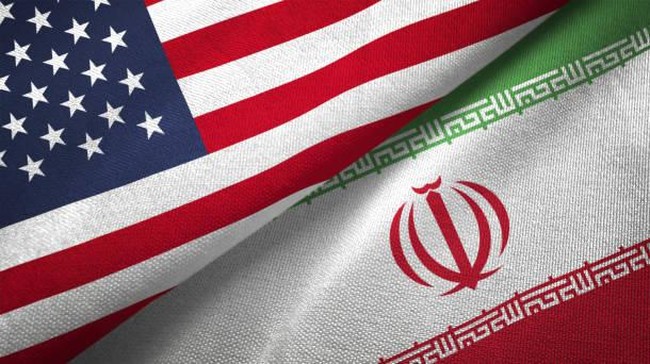
Arab leaders in the Persian Gulf are growing concerned that a draft peace agreement between the United States and Iran could mark a disastrous turning point for regional security. The deal, initiated by President Donald Trump, comes in the aftermath of a protracted war involving the US and Israel against Iran, which saw the Gulf region devastated by retaliatory strikes and forced Arab nations to question Washington’s security commitments.
Experts view the peace deal as part of a broader US military disengagement from the Middle East. The potential channelling of financial resources to Iran is feared to embolden Tehran. “From the perspective of the Arab Gulf states, the Iran war was a catastrophic turning point for the regional security order. The reduction of US engagement in the Gulf and the flow of financial and economic resources to Iran are likely to make Tehran more audacious,” said Hasan Alhasan, a senior researcher at the International Institute for Strategic Studies (IISS). Despite these deep anxieties, the Gulf states have facilitated and supported the ceasefire draft, viewing a flawed agreement as preferable to the continuation of open war.
US Secretary of State Marco Rubio made a swift visit to the UAE, Bahrain, and Kuwait—the states hardest hit by Iranian missile strikes during the conflict—to reassure allies that Washington’s security commitment remains firm. “We want to hear their thoughts, especially after this weekend in Switzerland, and ensure their views are factored into any decision we make, because they are our partners,” Rubio told reporters upon landing in Abu Dhabi.
Confidence in US political and military stability has significantly eroded among Gulf nations. A senior Gulf diplomat noted that the recent conflict proved Iran has well-developed plans to target Arab states. Fears are compounded by the draft deal granting Iran a formal role in monitoring commercial traffic through the Strait of Hormuz, effectively placing much of the region’s maritime trade and energy exports under Tehran’s oversight. Furthermore, the agreement does not address Iran’s ballistic missile programme or its network of proxy militias, with Trump reportedly dismissing concerns by comparing Iran’s missile arsenal to Saudi Arabia’s.
The deal also mandates a USD 300 billion reconstruction fund for Iran, with Trump committing to involve Gulf financing, though Saudi Arabia says it has yet to receive detailed proposals. As reliance on the US military umbrella wanes, Gulf states are beginning to diversify their defence procurement, with some looking to Turkey as an alternative arms supplier. Regional leaders are also considering a direct non-aggression pact with Tehran, though analysts warn that diplomacy alone is insufficient without a credible deterrent capability. “A non-aggression pact is unlikely to alter Iran’s strategic calculus. To do that, Arab Gulf states must first address the strategic imbalance with Iran through credible deterrence, enhanced and integrated defence, and robust resilience measures,” Alhasan cautioned.
Source: jawawa.id (https://jawawa.id/newsitem/us-allies-in-the-gulf-fear-trump-iran-deal-could-become-a-new-source-of-trouble-1782402730)
Originally published by CNBC Indonesia (https://www.cnbcindonesia.com/news/20260625075842-4-745533/sekutu-as-di-arab-cemas-deal-trump-iran-bisa-jadi-sumber-masalah-baru), translated from Indonesian