
US Airlines Ban Humanoid Robots on Flights, Citing Safety Concerns
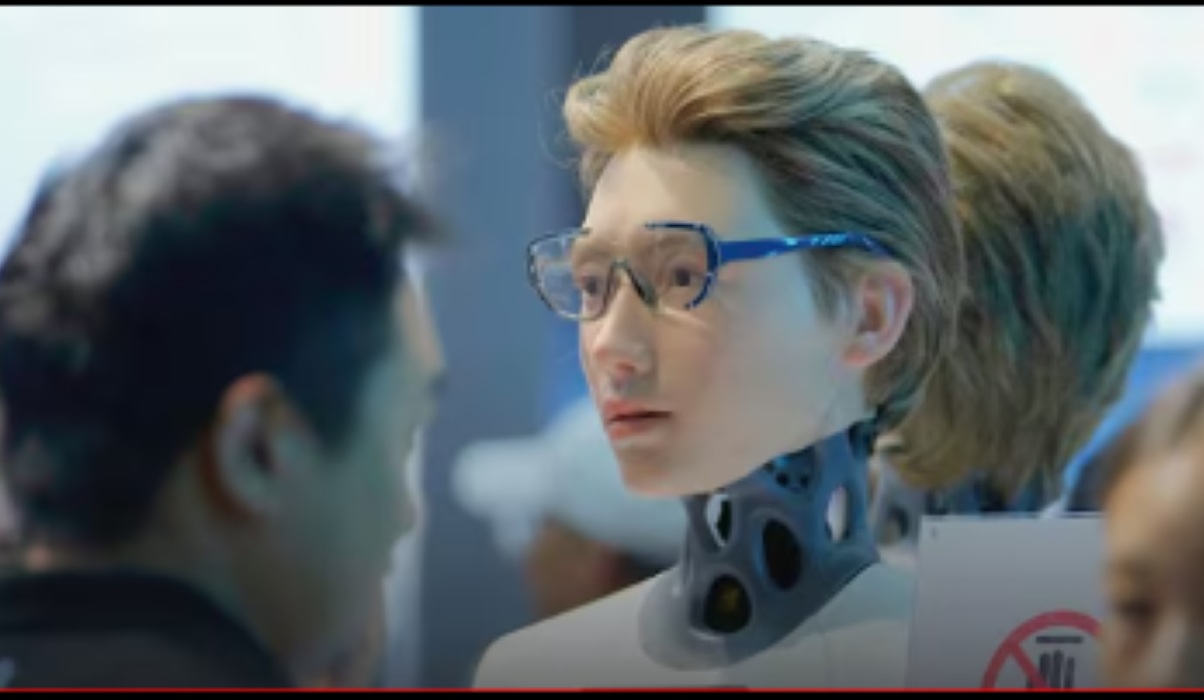
Several major airlines in the United States have begun tightening rules by banning humanoid robots and animal-like robots from both cabins and checked baggage. The move comes amid concerns over the potential safety risks posed by such advanced technological devices.
The trend for the ban was triggered by an incident earlier this year when a passenger brought a companion robot onto a Southwest Airlines flight. The incident prompted the low-cost carrier to announce an official ban in May, citing battery safety as the primary reason.
United Airlines recently established a similar policy prohibiting humanoid and animal-like robots in all areas of the aircraft. The policy, which took effect on 23 July, is described as a proactive measure to anticipate the increasingly widespread use of robotic technology in society.
‘We believe this change will help ensure the safety of our customers and crew,’ a United Airlines spokesperson said. The airline stressed that robots resembling living creatures are often powered by battery types whose capacity exceeds the limits permitted on flights.
Delta Air Lines also implemented a similar ban in June. Delta specifically highlighted robotic devices containing lithium batteries with a watt-hour rating that exceeds regulatory limits, as they can pose a serious fire and safety risk.
Ravinder Dahiya, a professor and robotics expert from Northeastern University, explained that most current humanoid robots are powered by heavy lithium-ion batteries. This type of battery carries a high risk of fire hazard if it explodes or is mishandled.
‘Regarding the safety issue, I am not at all opposed to the ban,’ Dahiya said. However, he noted that for researchers, the rule could be a hindrance as they often need to transport robots for demonstrations or research purposes.
Other carriers, such as JetBlue and American Airlines, have not yet implemented similar bans. Although humanoid robots are still rarely seen outside of laboratories or factories, technology figures like Elon Musk predict their presence will become commonplace in the future, likely forcing the global aviation industry to formulate more permanent regulations.