
US Accuses Canada of Discrimination, Imposes 50% Tariffs
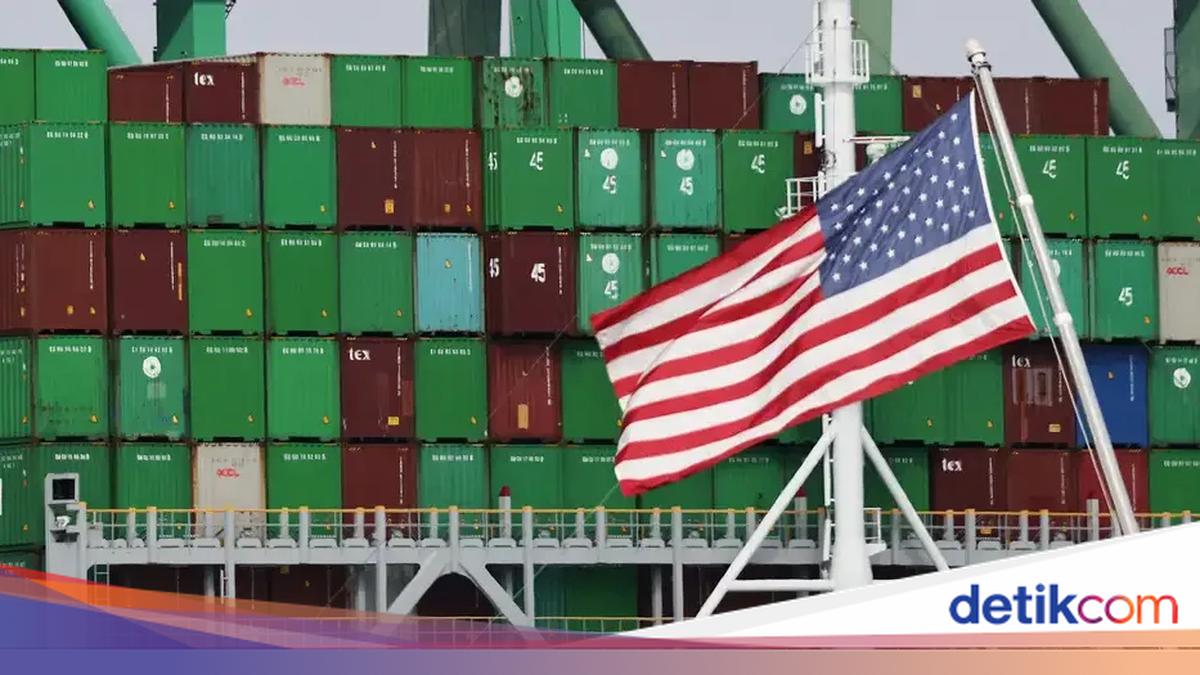
The administration of US President Donald Trump announced on Monday that it will impose a 50% tariff on a range of Canadian products. The White House stated the tariffs will take effect in 30 days and cover “various products, from wine and hockey sticks to cement.” President Trump signed three official determinations under Section 338 of the Tariff Act of 1930, a nearly century-old trade rule that allows for tariffs of up to 50% on imports from specific countries. The new tariffs, however, will not apply to energy, potash (used in agricultural fertilisers), fish, critical minerals, or goods already subject to tariffs under Section 232 of the same act, which relates to national security.
The White House accused Canada of “discriminatory treatment” of American products, citing Canadian tariffs and quotas on US-made automobiles that are not applied to cars from other nations. It also noted that nearly all Canadian provinces and territories, except two, restrict the distribution of American alcoholic beverages. “In the last year and a half, only two countries have chosen to retaliate against President Trump’s tariffs rather than negotiate a deal with the United States: the People’s Republic of China and Canada,” the White House said.
Canadian Prime Minister Mark Carney responded by stating the US tariffs “directly violate” the Canada-United States-Mexico Agreement (CUSMA), the free trade pact between the three nations. Carney said Canada has put forward several proposals to “modernise” CUSMA and is “ready to accelerate those discussions in the coming weeks.” Ontario Premier Doug Ford condemned the planned tariffs and warned of economic consequences for both countries, pledging on X that Canada should respond with equivalent tariffs “dollar for dollar.” Candace Laing, President and CEO of the Canadian Chamber of Commerce, urged both nations to use the 30-day window before the tariffs take effect “to achieve an outcome in official negotiations.” Scott Lincicome, vice president of general economics at the libertarian Cato Institute in Washington, D.C., warned the policy could create “massive uncertainty” for the global economy and described the use of Section 338 as the “most extreme option” in Trump’s tariff policy.