
Upstream to Downstream Synergy: Integrated Dams, River Diversion, and Pumps Control Jakarta Floods
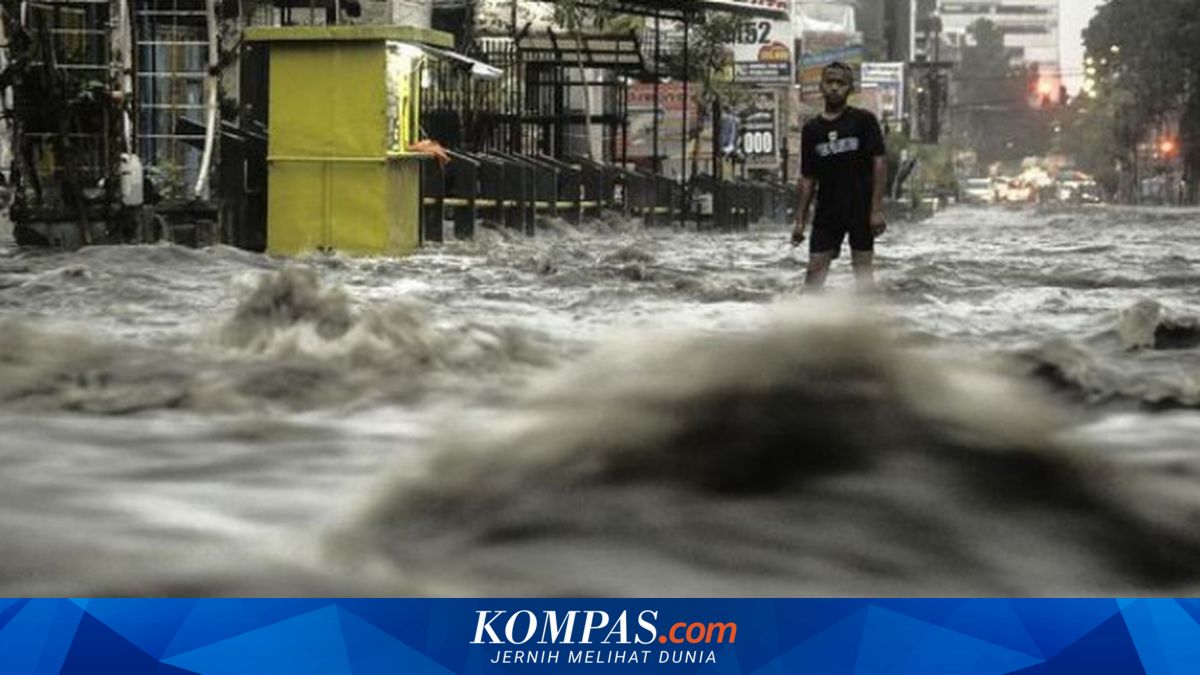
JAKARTA, KOMPAS.com - Flood management in Jakarta is no longer standalone. Now, all components are interconnected within a large integrated system from upstream to downstream. The three main components forming the backbone of this system are dams, river diversion channels, and pumping stations. They work in unison to reduce water flow from upstream, divert river channels, and expel excess water downstream when the main river’s capacity can no longer handle extreme rainfall. “Flood control infrastructure such as pumps, river embankments, drainage channels, reservoirs, ponds, or small dams are built with a designed capacity to store and channel surface runoff from specific rainfall amounts,” Ika said in a WhatsApp message on Monday (25 May 2026). She explained that this capacity is typically designed for rainfall of 100–150 mm. However, in recent years, Jakarta’s rainfall intensity has increased to 150–250 mm due to climate change. “Therefore, Jakarta’s flood control infrastructure is effective for 100-150 mm rainfall, but higher rainfall requires larger infrastructure capacity, which directly correlates with increased land and construction costs,” she added. Flood control begins at the upstream region, namely Bogor and its surroundings, where dams and weirs are built to hold and reduce water flow before it enters Jakarta. Ika noted that upstream infrastructure is not all under the jurisdiction of the Jakarta Provincial Government (Pemprov DKI Jakarta). After flowing from upstream, water enters Jakarta, where control is managed through rivers, including diverting flows to prevent accumulation at a single point. A key infrastructure at this stage is the Ciliwung River Diversion, which redirects part of the river flow to alternative channels to prevent pooling. “The Ciliwung River Diversion in East Jakarta’s Jatinegara area is also operated under the Ministry of Public Works (PU),” she said. In addition to rivers, water resources also rely on reservoirs, ponds, and small dams as temporary storage during heavy rainfall.