
Upstream Sorting is the Key to Improving Waste Management in Jakarta
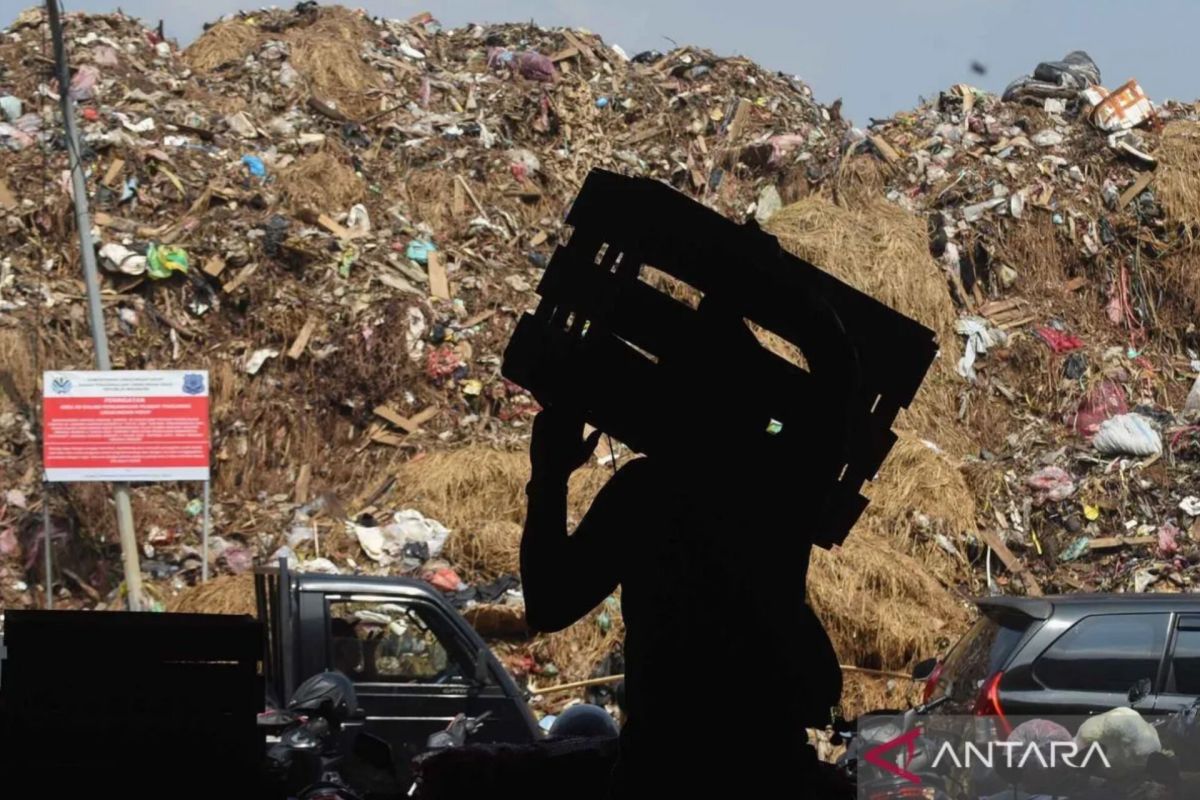
In the future, TPST Bantargebang will be directed to only accept residual waste. Jakarta (ANTARA) - There is an agreement among various parties that improving waste management in Jakarta must begin with reduction and sorting from the upstream source. This is believed to be the solution for reducing waste downstream at the Integrated Waste Processing Site (TPST) Bantargebang. Thus, it is no longer just about transporting and dumping to Bantargebang. This is what continues to be emphasised and has become the main focus in overhauling waste governance in DKI Jakarta. The landslide incident at TPST Bantargebang, which claimed lives, serves as a reminder of this focus while also improving the waste management system fundamentally. Data from the DKI Jakarta Environment Agency (DLH) shows that with Jakarta’s waste production averaging 7,500 tonnes per day, and even reaching 8,000 tonnes at certain times, reduction at the source is an indispensable step. In the future, TPST Bantargebang will be directed to only accept residual waste, ending its major task over the past 37 years of accommodating all of the capital’s waste, which now totals around 80 million tonnes. To this end, strengthening regulations through Governor’s Regulation No. 77 of 2020 on Waste Management in Community Units becomes a key strategy in promoting community-based waste reduction. The initial implementation of this regulation is realised through the establishment of the Community Waste Management Unit Division (BPS RW). By 2025, 2,755 BPS RWs have been formed, which also play a role in carrying out waste reduction and sorting. Data from the fourth quarter of 2025 shows that of the total 2,755 BPS RWs formed, 2,351 BPS RWs or 85.34 percent are categorised as active. This activity is demonstrated through waste sorting at the community level, 3R activities, organic waste processing in community units, as well as the establishment and operation of community waste banks. Based on data from the BPS RW Information System, the number of households that have carried out sorting reaches 236,494 households or equivalent to 11.47 percent, exceeding the 11 percent target for the fourth quarter. Simple steps that can be applied here start from sorting waste into categories of easily degradable, recyclable materials, residual, and household hazardous waste. On the other hand, the community can also compost food waste and reuse items that still have value. However, that is not enough. Jakarta needs binding rules for residents so that the habit of sorting waste becomes an obligation, and therefore a Governor’s Regulation or Regional Regulation (Perda) related to household waste sorting is being drafted. It has received approval.