
Upstream Oil and Gas Investment Could Create 49,000 Jobs per US$1 Billion
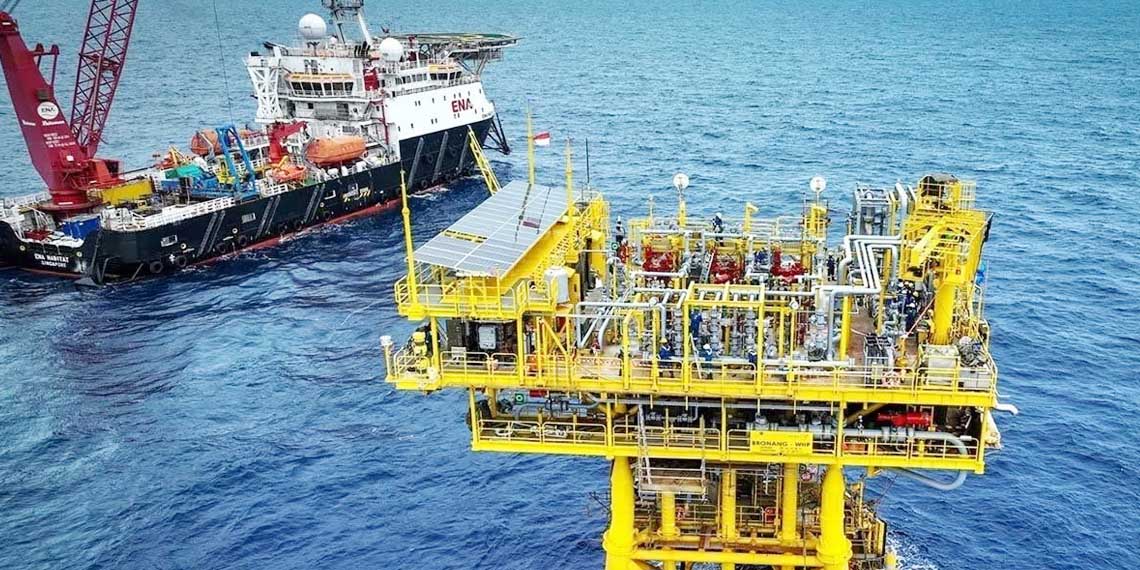
Investment in the upstream oil and gas sector not only helps safeguard national energy security but also drives economic growth and more evenly distributed regional development.
Every US$1 billion invested in oil and gas could generate up to US$1.5 billion in additional economic output and create around 49,000 job opportunities. This substantial multiplier effect demonstrates the significant contribution of upstream oil and gas activity to the national and regional economies.
Bank Mandiri Chief Economist Andri Asmoro made the remarks during Plenary Session 3 of the 2026 Upstream Oil and Gas Economic Forum (FOREK), themed “The Role of Partnerships in Supporting the Upstream Oil and Gas Investment Climate”, in Jakarta on Thursday (29 October 2026).
He said the impact of upstream investment extended beyond exploration and production. The industry also stimulates supply chains, from contractors and heavy-equipment suppliers to logistics companies and a range of support-service providers.
As a result, upstream investment can generate broader economic activity in operating areas, creating business opportunities for local industries and increasing employment.
Financing support is an important factor in maximising these benefits. Banks can finance not only companies holding contracts but also widen access to funding for vendors and contractors involved in project delivery.
Andri said banks could provide various facilities, including working capital, long-term project finance and funding for vendors that had secured work from cooperation contract contractors (KKKS).
These facilities allow vendors to carry out field work without always having to wait for payment from project owners. The financing arrangements also help maintain operational continuity and strengthen the participation of national companies in the upstream oil and gas supply chain.
Investment in the mining sector, including oil and gas, could also promote more balanced economic development between regions, particularly in Sumatra, Kalimantan and Papua. The effects could be seen in the growth of supporting industries, road access development, electricity provision and rising demand for local goods and services.
“Greater investment can narrow the gap between eastern and western Indonesia,” Andri said.
From the regulatory side, Ricky Rahmat Firdaus, Deputy for Exploration, Development and Working Area Management at the Special Task Force for Upstream Oil and Gas Business Activities (SKK Migas), stressed the importance of dividing responsibilities among stakeholders to build a robust investment ecosystem.
The government is responsible for aligning policies and providing contractual certainty, while investors supply capital and technology. Financial institutions support project funding, domestic industry strengthens the supply chain, and local governments handle permits and land access while fostering community acceptance.
Such collaboration is considered crucial because upstream oil and gas projects require large investments, carry high risks and have long development periods. Permitting obstacles, project delays or operational disruptions can affect investment economics and reduce the resulting economic benefits.
Searah Ketapang Chief Executive Officer Yuzaini Md Yusof said investors needed support from various parties to ensure projects ran effectively.
“As investors, we cannot do this alone. We need support from the government, local communities, strategic business partners and contractors,” he said.
Partnerships are one of the factors determining the long-term attractiveness of upstream oil and gas investment, alongside legal certainty, fiscal competitiveness, commercial flexibility and ease of doing business.
MUFG Managing Director and Head of Project Finance Saumitra Srivastava said Indonesia had a strategic opportunity to strengthen its position as a gas supplier in Asia, amid rising energy demand and regional economic growth.
He said Indonesia’s substantial gas reserves, ongoing exploration and production, and investment-grade status were important assets in attracting international funding.
“Indonesia will remain an important gas supplier in the long term,” Saumitra said.
According to MUFG’s assessment, Indonesia and Malaysia are expected to lead the upstream oil and gas investment cycle in Asia, with projected investment exceeding US$100 billion.
For Indonesia, MUFG has identified 14 transactions or projects that have reached a final investment decision (FID). Saumitra said several other projects could follow.
This presents an opportunity for Indonesia to become one of the main beneficiaries of the next wave of upstream oil and gas investment, strengthening energy security, driving economic growth and extending the benefits of development to communities across the country.
Source: jawawa.id (https://jawawa.id/newsitem/upstream-oil-and-gas-investment-could-create-49-000-jobs-per-us-1-billion-1793609426)
Originally published by indoposco.id (https://indoposco.id/2026/11/02/investasi-hulu-migas-berpotensi-ciptakan-49-ribu-lapangan-kerja-per-usd1-miliar/), translated from Indonesian