
Upstream Oil and Gas Industry Boosts Regional Revenue and Infrastructure
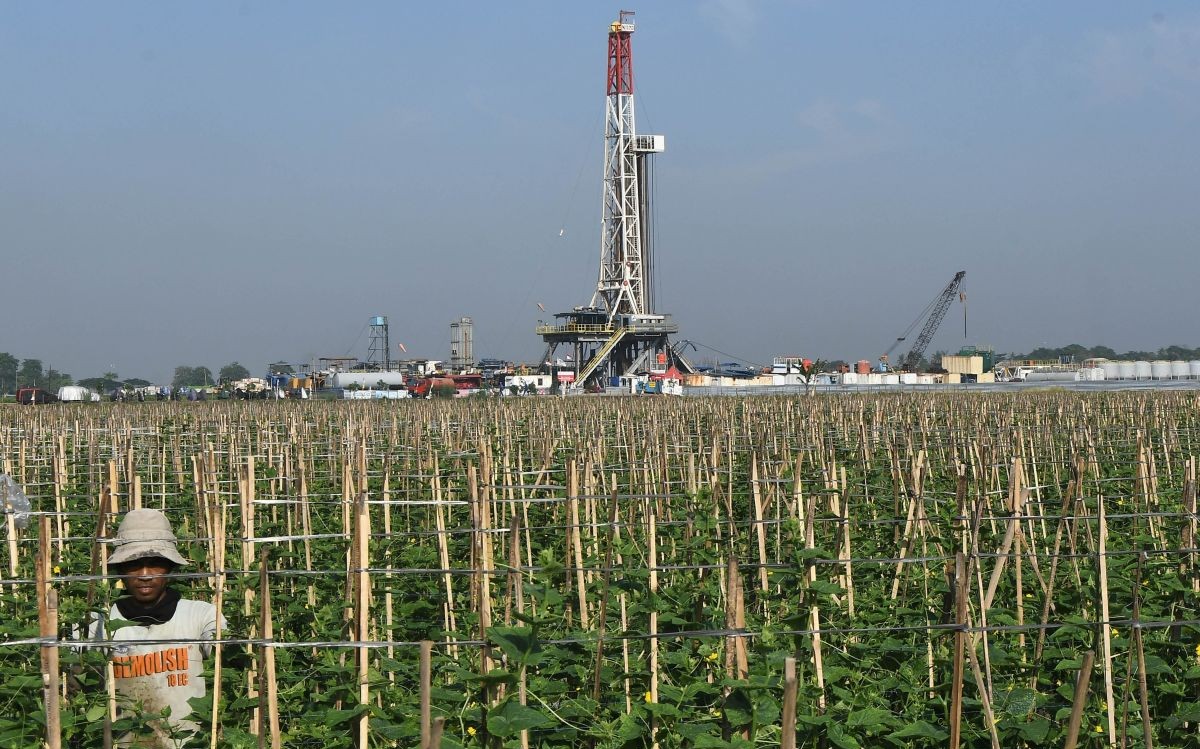
The upstream oil and gas industry is considered to have a strategic role in driving regional economic growth through the multiplier effect of its operational activities. This impact is evident not only in state revenues but also in increased regional income, job creation, and infrastructure development.
Rinto Pudyantoro, a lecturer at the Faculty of Economics and Business at Universitas Pertamina, explained that the upstream oil and gas sector’s contributions to regions are reflected in several key components, such as Profit-Sharing Funds (DBH), oil and gas Land and Building Tax (PBB) receipts, and the 10% Participating Interest (PI) scheme involving Regional Owned Enterprises (BUMD).
For example, in 2023, Riau Province received DBH oil and gas amounting to Rp3.6 trillion and PBB oil and gas reaching Rp3.9 trillion. According to Rinto, these figures demonstrate the significant contribution of the oil and gas sector to regional finances.
“There is often a perception that the oil and gas industry does not provide direct benefits to surrounding communities. However, when viewed comprehensively, its economic impact is very substantial and multi-layered,” he stated in an official remark.
In addition to fiscal contributions, activities in oil and gas working areas also drive local economic circulation through spending on goods and services, as well as the involvement of local businesses. Further impacts are seen in the development of downstream industries, the provision of energy for domestic needs such as power generation, and the construction of public facilities that support community welfare.
Corporate social responsibility (CSR) programmes and community development (PPM) also play an important part in strengthening these socio-economic impacts. Rinto emphasised that the multiplier effect of the upstream oil and gas sector extends to various sectors, from local workforce employment and infrastructure development to overall regional economic strengthening.
From the state revenue perspective, this sector’s contributions are also highly significant. Data shows that national Land and Building Tax receipts reached Rp24.01 trillion in 2022, with oil and gas PBB contributing Rp13.711 trillion or more than 50 percent of the total.
Nevertheless, Rinto cautioned that substantial regional revenues do not automatically translate into direct benefits for community welfare. Their effectiveness greatly depends on local government policies in managing and allocating these funds.
He assessed that if budget allocations are made appropriately for productive development, the resulting economic benefits can be far more optimal.
Amid trends of declining oil and gas production, Rinto affirmed that the upstream oil and gas sector remains an important mainstay of the national and regional economy. With good management, this industry not only serves as an energy provider but also as a driver of sustainable economic growth.