
Uproar as Eggs Removed from India's Mid-Day Meal Scheme, Replaced with Vegetarian Menu
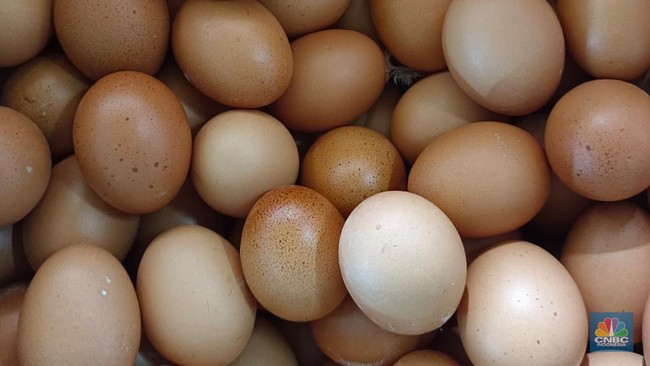
A controversial change to the free meal programme in state schools in West Bengal, eastern India, has unexpectedly triggered a political storm and widespread concern. The newly elected regional government has officially decided to remove eggs from the student lunch menu, replacing them with a strictly vegetarian offering. The radical move comes after the Hindu nationalist government, which won regional elections in May, handed over management of the programme to a religious foundation. The decision has reignited a long-standing debate over the correlation between food, faith, and child nutrition in the world’s most populous country. Sharp criticism has poured in from various quarters, accusing the government of deliberately using the education programme to unilaterally impose a vegetarian lifestyle on schoolchildren. The Bharatiya Janata Party (BJP), led by Prime Minister Narendra Modi, which won the elections in the region, has often promoted vegetarianism as part of its nationalist agenda, even though the majority of Hindus in India consume meat and fish. “The BJP government is trying to force vegetarianism on schoolchildren,” condemned Dola Sen, a member of parliament from the opposition TMC party, in an official statement. The removal of eggs has raised deep concerns among educators about a potential drastic drop in classroom attendance. The free meal programme, which has been a major draw for children from poor families, risks losing its appeal with the disappearance of the popular animal protein. “Free lunches have been one of the biggest attractions in state primary schools. Students would turn up in huge numbers on days when eggs were on the menu,” said Raja Dey, a local state school teacher. By comparison, official data from Karnataka state last year proved that attendance soared from 93.5% to 98.97% after egg distribution was expanded to six days a week. Starting last month, West Bengal officially partnered with the International Society for Krishna Consciousness (ISKCON), or the Hare Krishna movement, as the new provider serving only plant-based meals. India’s school lunch programme is recognised by the United Nations as the world’s largest nutrition scheme, having successfully increased school participation by 15% while reducing stunting. However, public health experts now warn that children from underprivileged families risk losing their best source of nutrition due to this mass menu change. ISKCON has dismissed the concerns, claiming that soy, cottage cheese, and nuts offer comparable nutritional value. Local education authorities also defended the new policy, stating that many Indians maintain a healthy lifestyle on a vegetarian diet. “We will ensure that whatever nutrition a child gets from an egg will be matched or even exceeded by the high-quality protein and vitamins in our food,” asserted Surovijoy Govinda Das, a senior ISKCON member. Countering this, public health doctor Sylvia Karpagam told Frontline magazine, “Eggs are the gold standard for protein quality. Without evidence-based information, the country will face a threatening crisis in nutritional and health outcomes.” Negative sentiment and fears that the government will eventually ban meat and fish entirely are now spreading through West Bengal society. The case has also reached the judiciary, after the local High Court ordered the state government to clarify the reasons for handing the lunch project over to the foundation, with further hearings scheduled for next month.