
UPR Academic: Abadi Masela LNG National Strategic Project Strengthens Energy Security
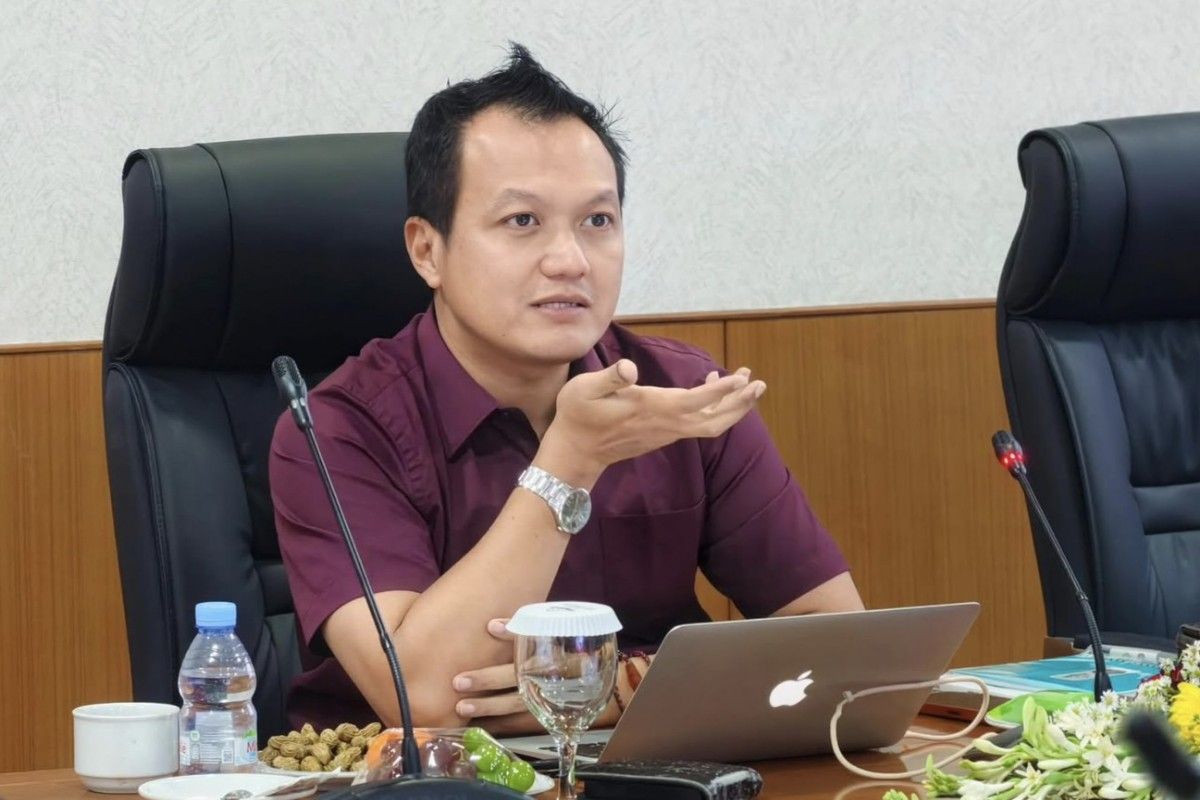
Academic from the University of Palangka Raya (UPR) Bhayu Rhama assessed that the development of the Abadi Masela LNG project is a strategic step in strengthening national energy security, while also accelerating development in eastern Indonesia.
Bhayu in Palangka Raya on Friday said that a large-scale project like Abadi Masela LNG not only impacts the energy sector but also provides a multiplier effect on regional economic growth, increased investment, job creation, and the strengthening of human resource capacity.
"As a National Strategic Project (PSN), Abadi Masela LNG has an important role in supporting Indonesia’s vision towards energy independence," said Bhayu, who is currently the Dean of the Faculty of Social and Political Sciences (FISIP) at the University of Palangka Raya.
President Prabowo Subianto believes the Abadi Masela LNG National Strategic Project will become one of the main drivers of Indonesia’s progress, particularly in the Eastern Indonesia region.
Besides strengthening national energy security, this project is also believed to be able to improve community welfare and accelerate regional economic growth.
However, Bhayu emphasised that the success of the project must be accompanied by a strong commitment to sustainability aspects, environmental protection, and the empowerment of local communities so that the benefits of development are felt equitably.
"What is no less important is ensuring that local communities become part of the development. Knowledge transfer, improving the skills of local workers, and strengthening the economy of the surrounding community must be a primary concern," he asserted.
He hopes that the development of Abadi Masela LNG proceeds according to plan and becomes an example of successful natural resource management that can provide long-term benefits for the region and the nation.
The Abadi Masela LNG project itself is one of the largest energy projects in Indonesia, projected to increase national gas production, strengthen energy security, attract large-value investment, and open thousands of jobs during the construction and operational phases.