
UPN Veteran Yogyakarta Opens New Rector Selection, Emphasises Transparency and Integrity
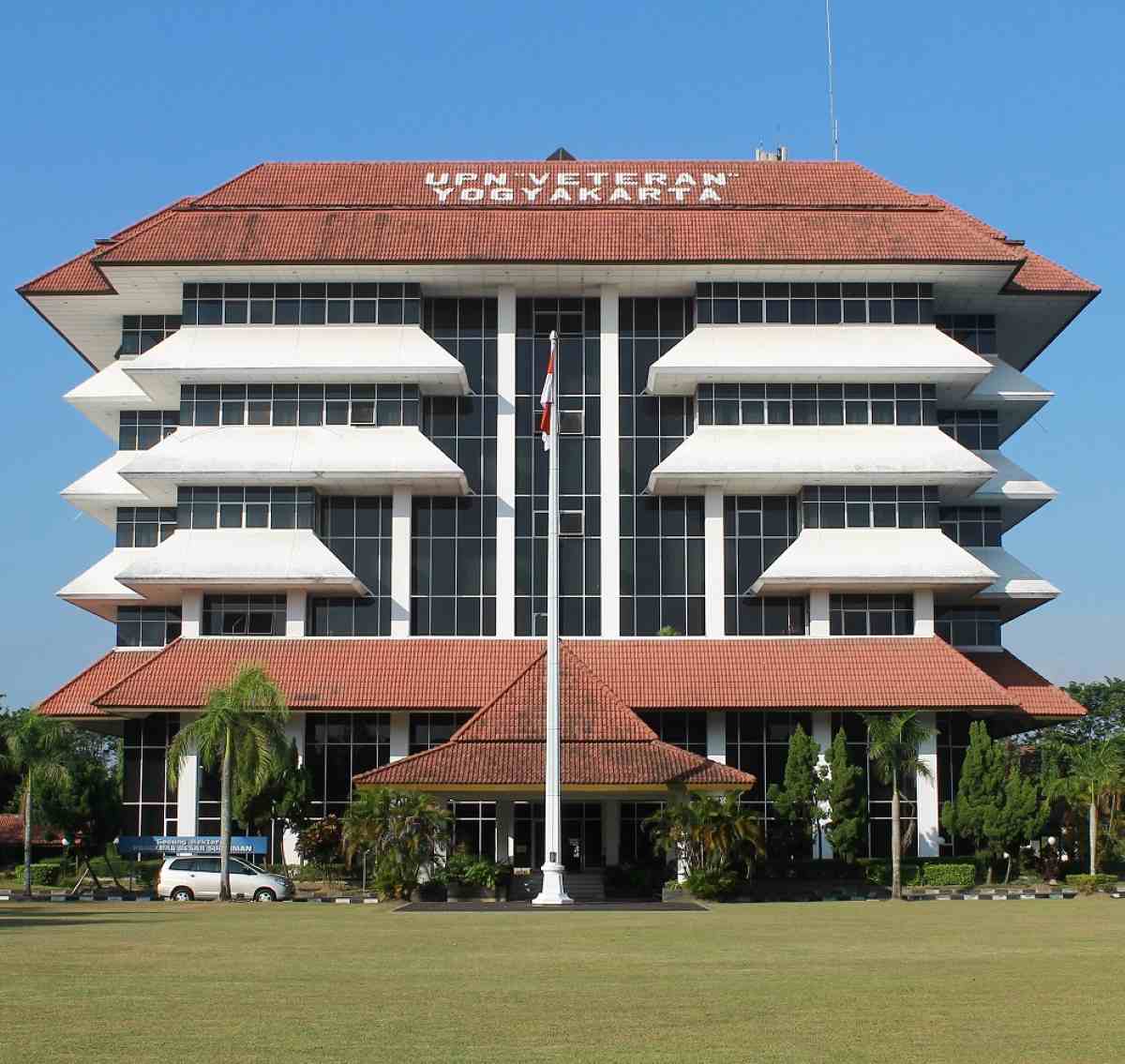
UPN Veteran Yogyakarta has officially commenced the open selection process for a new rector for the 2026-2030 term, following the end of the current rector’s term on 26 October. The university, known for its ‘Bela Negara’ (defence of the nation) identity, is inviting Civil Servants (PNS) across Indonesia who meet academic, managerial, and administrative criteria to apply.
Chairman of the Rector Selection Committee Eko Teguh Paripurno stated all selection stages will be conducted openly and transparently to identify the best candidate to lead the university forward. ‘We invite the nation’s finest, particularly academics with strong commitment, to participate in this selection process and help transform UPN Veteran Yogyakarta into a leading, globally competitive university while steadfastly upholding Bela Negara values,’ he said in an official statement.
He added that the selection aims not only to find an administrative leader but also someone capable of addressing the increasingly competitive higher education landscape. Public universities are expected to strengthen academic quality, research innovation, governance, and international networks.
The selection criteria are outlined in Announcement No. 03/UN62/PPR/2026 on the Open Selection for UPN Veteran Yogyakarta Rector for the 2026-2030 term.
Academic Competencies
Candidates must hold a doctoral degree and at least the academic position of Associate Professor. They must also have a minimum of two years’ managerial experience, such as department head, institute leader at a public university, or equivalent. For government agency candidates, managerial experience must be at least at the Pratama senior leadership level or Grade IIA official.
The maximum age for candidates is 60 at the end of the current rector’s term, meaning they must be born after 26 October 1966.
Integrity Aspects
Alongside academic and managerial competencies, integrity is a key requirement. Candidates must have a clean record free from plagiarism, no criminal convictions, no drug abuse, no ongoing disciplinary sanctions, and must have submitted a State Officials’ Asset Declaration (LHKPN) to the Corruption Eradication Commission.
This emphasis on integrity reflects growing public demands for clean and professional governance in public universities. In recent years, academic ethics and campus management transparency have drawn scrutiny across Indonesian institutions.
Eko explained the rector selection process will proceed through four main stages: candidate screening, shortlisting, selection, and appointment and inauguration.
The candidate screening stage runs from 26 May to 16 July 2026, during which the committee will handle promotion, candidate registration, administrative screening, objections period, and finalisation of candidate lists.
The shortlisting stage runs from 17 July to 7 August 2026, during which the campus community will have the opportunity to learn about candidates’ profiles and backgrounds through official university publications. A key agenda item is the candidates’ presentation of their vision, mission, and work programmes at an Open University Senate Session scheduled for 3 August 2026.
Following this, the University Senate will select the top three candidates to be forwarded to the Minister of Higher Education, Science, and Technology.
The selection stage is scheduled for August 2026 via a closed-door senate session with ministry representatives. The elected rector will be formally appointed and inaugurated in October 2026.
Registration is conducted via digital and physical document submission to the Rector Selection Committee Secretariat at UPN Veteran Yogyakarta’s Rectorate Building. ‘Registration for UPN Veteran Yogyakarta rector candidates begins on 2 June and ends 17 June 2026,’ he stated.
He expressed hope that the selection process proceeds smoothly, yielding a leader with strong academic credentials and a strategic vision to elevate UPN Veteran Yogyakarta to greater national and international competitiveness.