
UPI Professor Says MBG Programme Is Beneficial If Managed Properly
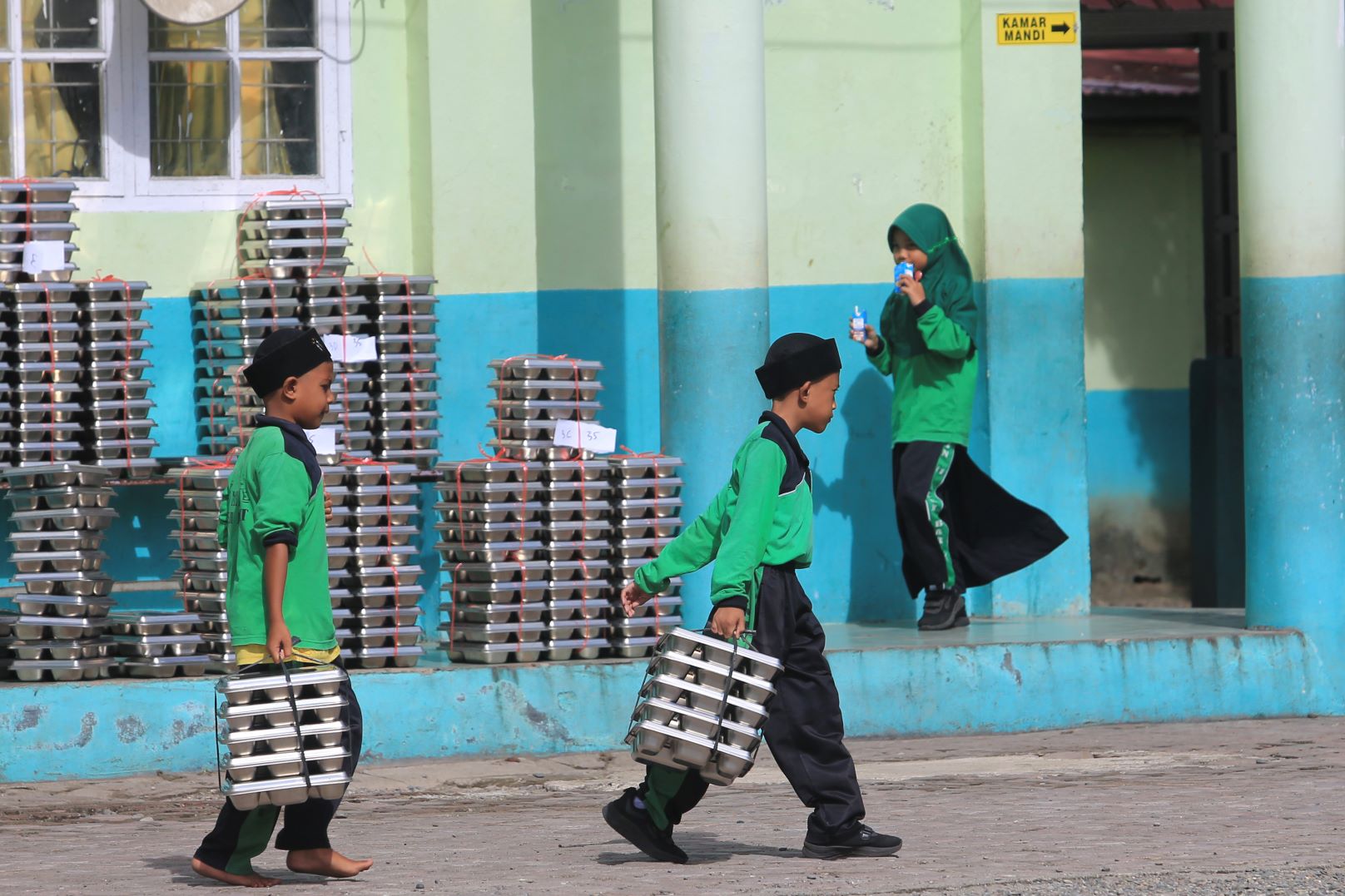
Amid criticism and controversy over the impact of the Free Nutritious Meals (MBG) programme on society, many scholars and public policy observers still believe the programme’s impact can be optimal. If managed properly, it is not unlikely that the programme will spur the development of the nations younger generation in the next 10-20 years.
That was emphasised by Cecep Darmawan, a Professor of Political Science and Public Policy Analyst at Universitas Pendidikan Indonesia (UPI). He said MBG, if managed with transparent governance, precisely targeted, and complemented by a holistic educational ecosystem, could transform the country.
“I am optimistic the programme will bring a major transformation. If our children are physically healthy thanks to proper nutrition, and if this is complemented by cognitive development and literacy from schools, Insha’Allah within 10 to 20 years the programme will produce generations that are good and smart,” he stated.
Public Control
Regarding social media dynamics where MBG implementation often draws sharp scrutiny and criticism, Cecep regards this as a natural form of public oversight. However, he emphasised the importance of social media literacy so the public can distinguish constructive criticism from vitriol or hoaxes.
“We cannot ignore that field implementation will have weaknesses. Consider criticism as medicine. For poorly managed aspects, improvements should be made, kitchens that do not meet standards replaced. Do not fault the programme, but improve the implementation,” he said.
At the same time, Cecep urged that best practices from MBG kitchens and schools that have successfully implemented MBG should be disseminated to counter negative narratives and serve as models for other regions.
The public and policymakers must be able to separate the essence of the MBG vision from the technical constraints on the ground. According to him, a bold idea to improve the nation’s nutrition should not fail simply because management is not yet perfect.
Candidly, Prof. Cecep offered tactical recommendations to the government, especially if budget constraints are faced in the early stages of implementation. He suggested narrowing the programme’s focus to those truly in need first.
“So don’t blame the programme, but improve its implementation. If money is still tight, start with the vulnerable groups nationwide, including street children. Later, as the state finances improve, gradually extend to a broader target to ensure the budget is used effectively,” he noted.
Not the Only Solution
Although MBG has a very good vision, Cecep reminded that MBG cannot operate alone and should not be the sole solution to the complexity of societal problems.
Cecep advised several strategic aspects the government should consider to optimise this programme: MBG requires collaboration between the National Nutrition Agency (Badan Gizi Nasional - BGN), various related ministries, local governments, school committees, and families.
“I also urge the government to strengthen the macroeconomy and the provision of job opportunities so that parents are able to continue meeting their children’s nutritional needs at home,” he concluded.
Involvement of certified human resources is crucial to minimising the risk of food contamination.
The Saudara Unggas Mandiri Cooperative in Pengawu Village, Palu, channels almost 50 percent of its total production to the Nutrition Fulfillment Service Unit.
Adequate nutrition is the fundamental foundation for a childs growth and development, academically and non-academically.
Dudung revealed that MBG, which has attracted public attention, has the potential to cause on-field inequalities.
A new reality is emerging from the field. Beyond a normal programme, the public is now watching how MBG works at the grassroots level.